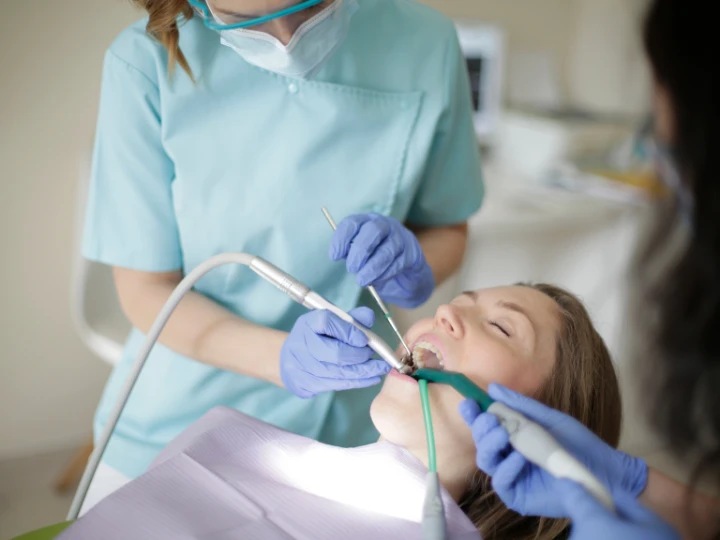

Accidents happen, and when they involve your teeth, the pain and panic can be overwhelming. Finding an emergency dentist near me in such moments becomes crucial, as immediate action can make a huge difference in the outcome. Emergency dentists are trained to handle sudden dental trauma with precision and care, ensuring not only pain relief but also preserving the health and functionality of your teeth.
Understanding Dental Trauma
Dental trauma refers to any injury that affects your teeth, gums, or surrounding tissues. This can occur due to a fall, sports injury, car accident, or even biting down on something hard. Common forms of dental trauma include:
- Chipped or fractured teeth
- Dislodged or knocked-out teeth
- Soft tissue injuries like cuts to the lips, cheeks, or tongue
- Jaw injuries and fractures
Each type of injury requires a specific approach to treatment. The first step for an emergency dentist is to assess the severity of the trauma and stabilise the patient, especially if there is significant pain or bleeding.
Immediate Steps Taken by an Emergency Dentist
When you arrive at an emergency dental clinic, the dentist will prioritise your comfort and safety. Here’s a typical sequence of actions:
1. Pain Management
Pain from dental trauma can be severe. The dentist may administer local anaesthesia to numb the affected area. In cases of extreme discomfort or swelling, they might prescribe pain relief medication to manage symptoms before further treatment.
2. Assessment and Diagnosis
The dentist conducts a thorough examination, often including X-rays, to determine the extent of the damage. They check for:
- Cracks or fractures in the teeth
- Damage to dental pulp (the inner tissue of the tooth)
- Injuries to surrounding gums and bone
- Alignment or displacement of teeth
This step is crucial because some injuries, like root fractures or pulp exposure, require urgent intervention to prevent long-term complications.
3. Immediate Treatment
Based on the diagnosis, the emergency dentist will perform the necessary treatment to stabilise the injury:
- For a chipped tooth: Smoothing, bonding, or filling may be used to restore shape and function.
- For a fractured or cracked tooth: Temporary protection or splinting might be applied before a more permanent solution.
- For a knocked-out tooth (avulsed tooth): If treated promptly, the dentist can often re-implant the tooth. Time is critical, ideally within 30–60 minutes. Keeping the tooth moist in milk or saliva can help preserve it.
- Soft tissue injuries: Stitches or protective dressings may be applied to promote healing.
Emergency dentists are trained to act swiftly to minimise further damage and increase the likelihood of saving the tooth.
Follow-Up Care
After the initial emergency treatment, follow-up appointments are essential. The dentist will monitor healing, check for infection, and plan for any long-term restorative work, such as crowns, root canals, or orthodontic adjustments if necessary. Post-trauma care also includes advice on oral hygiene and dietary adjustments to protect the injured area.
Prevention Tips to Avoid Future Trauma
While accidents are sometimes unavoidable, certain measures can reduce the risk of dental injuries:
- Wear a mouthguard during contact sports
- Avoid chewing hard foods like ice or hard nuts
- Use seatbelts and ensure proper safety measures during travel
- Maintain regular dental check-ups to identify vulnerable teeth
By taking preventive steps, you can minimise the chances of requiring emergency dental care in the future.
Final Thought
Sudden dental trauma can be distressing, but knowing how an emergency dentist handles these situations offers reassurance. From immediate pain relief to stabilising injuries and planning long-term care, their expertise ensures the best possible outcome for your oral health. Quick action and timely professional care are key to preserving your teeth and avoiding further complications.
FAQs
1. How quickly should I see an emergency dentist after dental trauma?
You should seek care immediately, ideally within the first hour, especially if a tooth is knocked out or severely fractured.
2. Can all knocked-out teeth be saved?
Not all teeth can be re-implanted, but prompt treatment significantly increases the chances of saving them.
3. Is dental trauma always painful?
Pain levels vary depending on the type of injury. Some fractures or cracks may be painless initially but can worsen over time.
4. Are emergency dental treatments covered by insurance?
Coverage depends on your insurance plan. Many plans provide partial coverage for emergency dental procedures.
5. What should I do while waiting for an emergency dentist?
Keep the area clean, manage pain with over-the-counter medication if appropriate, and preserve any knocked-out tooth in milk or saliva until you reach the dentist.
Dapto Dentists
35 Baan Baan St, Dapto NSW 2530, Australia
+61242105987



























Sign in to leave a comment.