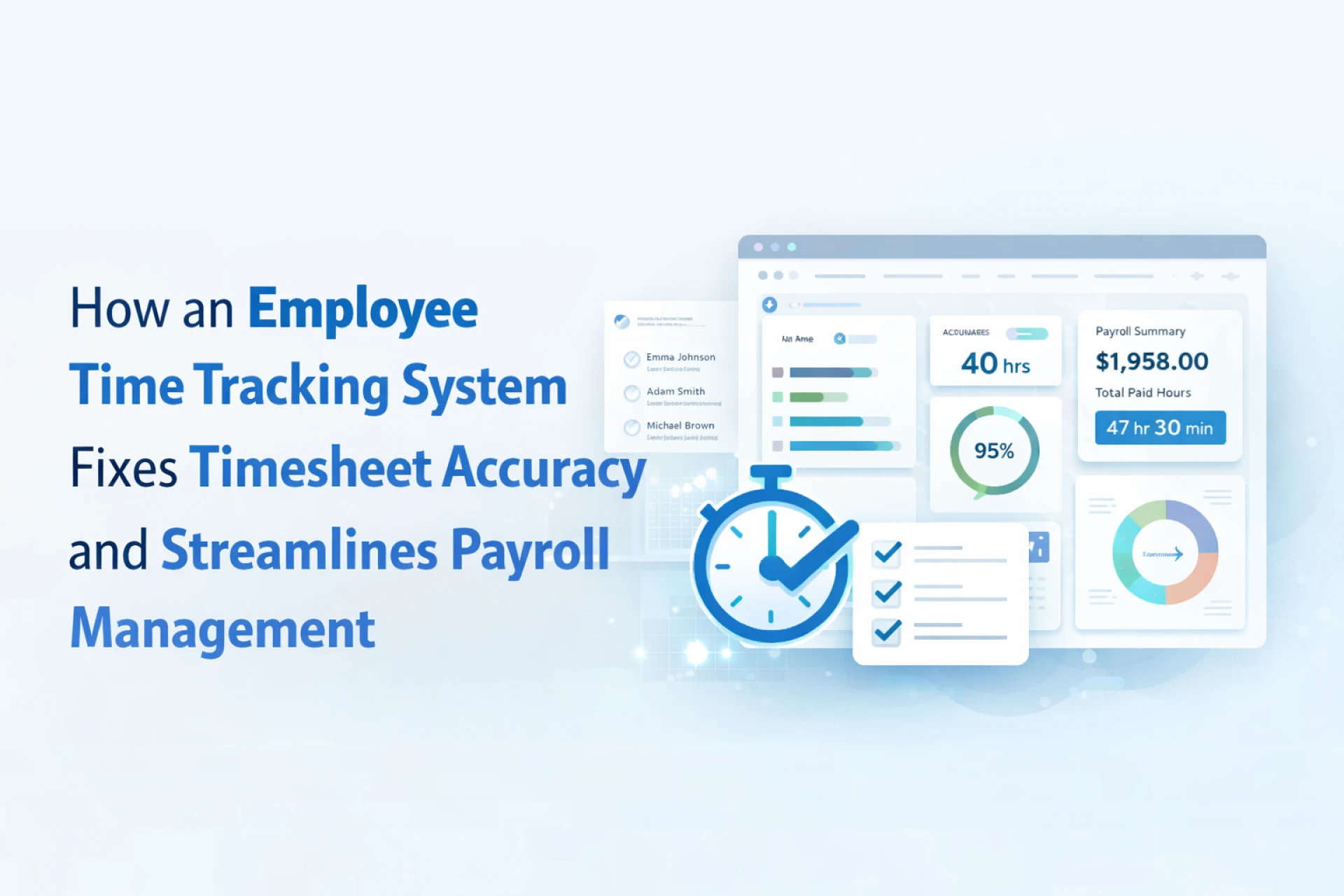

Tracking work hours may seem like a simple administrative task, but for many organizations it turns into a recurring source of frustration—especially when timesheet errors, manual corrections, and inconsistent records start eating into productivity and payroll cycles. Traditional methods of logging time by hand or through static spreadsheets are prone to inaccuracies and inefficiencies. This is precisely why adopting a reliable employee time tracking system is no longer optional—it’s essential for accurate timekeeping, streamlined payroll, and confidence in workforce management.
In this blog, we’ll explore the most common time tracking mistakes, the real cost of inaccurate data, and how modern employee time tracking systems like Workstatus help teams improve timesheet accuracy while reducing payroll overhead.
The Hidden Cost of Manual Time Tracking
Many organizations still rely on spreadsheets, paper timesheets, or ad-hoc tools to capture employee hours. While this may work for very small teams, these approaches quickly break down as work becomes more dynamic and distributed. Manual time tracking introduces several common issues:
- Data entry errors — Mistyped hours or missed entries lead to inaccurate records.
- Delayed submissions — Employees often fill out timesheets days or even weeks late, increasing guesswork.
- Lack of context — Manual entries rarely include task details, making it hard to understand where time was spent.
- Payroll bottlenecks — Incorrect time records slow down payroll cycles and increase administrative burden.
These issues are not trivial. According to industry research, manual time entry and correction can consume hours of staff time per week, diverting attention from core work and creating stress for HR and payroll teams.
Why Timesheet Accuracy Matters
Timesheet accuracy is crucial for more than just payroll—it affects every aspect of workforce and project management:
1. Fair Compensation
When time entries are inaccurate, employees can be underpaid or, conversely, overpaid. Bots, rounding errors, and manual edits all contribute to inconsistencies that erode trust and compliance.
2. Client Billing
In service-based businesses, billable hours are revenue. Inaccurate timesheets can lead to lost revenue or disputes with clients when invoicing is based on vague or incorrect time records.
3. Performance Insights
Without accurate data on how work is actually performed, organizations can’t measure productivity trends, forecast capacity, or make strategic workforce decisions with confidence.
4. Compliance and Audits
Many industries require detailed documentation of hours worked. Inaccurate time tracking can expose organizations to legal and compliance risk, especially in regulated sectors.
Improving timesheet accuracy isn’t just a technical upgrade—it’s a strategic advantage.
Avoiding Common Time Tracking Mistakes
Before examining how technology helps, it’s important to understand the most common time tracking mistakes:
1. Retroactive Time Entry
Employees often record time at the end of the day or week from memory, which introduces guesswork and inaccuracies.
2. Unclear Task Associations
Without linking time to specific projects or tasks, leaders can’t analyze where effort is being spent or validate billing.
3. Manual Calculations
Manually computing daily hours or overtime leads to miscalculations — especially across complex schedules.
4. Lack of Standardization
When each team member tracks time differently, data becomes inconsistent and unreliable.
5. Ignoring Idle Time
Without intelligent tracking, idle or unproductive time often goes unrecorded or misunderstood, skewing performance data.
How an Employee Time Tracking System Solves These Pain Points
Implementing a modern employee time tracking system addresses all of these mistakes while providing broader organizational benefits:
Automated Time Capture
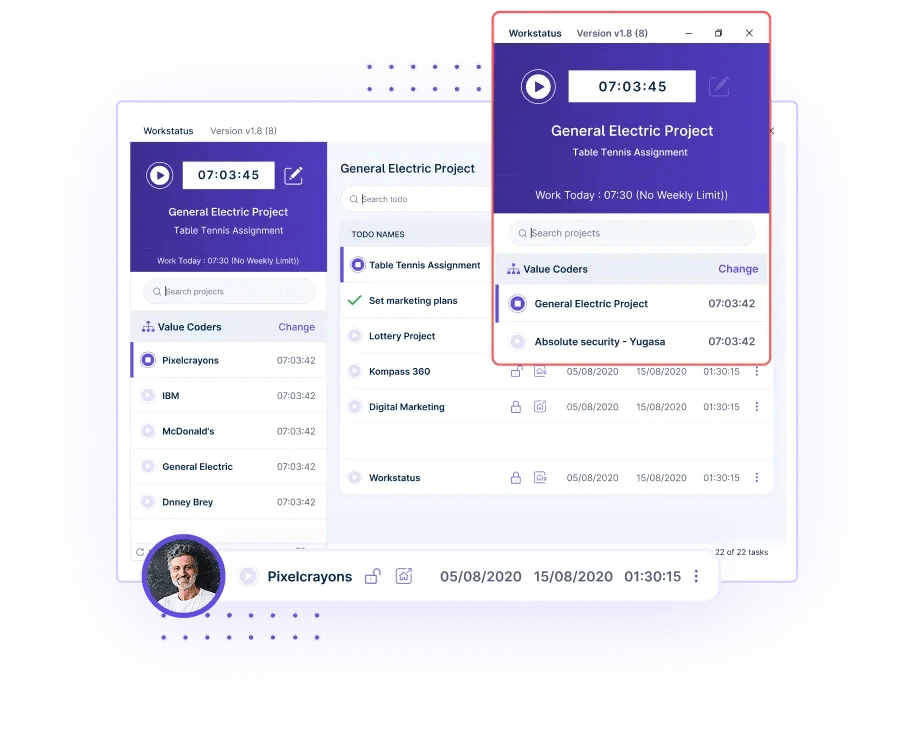
Smart time tracking tools automatically record work hours, reducing reliance on memory or manual entry. This improves accuracy while minimizing administrative effort.
Task-Level Detail
Rather than logging hours broadly, time can be tied directly to tasks, projects, or clients. This empowers leaders with richer insight into where work effort is happening and how it aligns with outcomes.
Real-Time Data
Instead of waiting until the end of the pay period, time tracking systems capture work as it happens. This eliminates guesswork and delivers timely reporting.
Built-In Validation
Time entries can be reviewed and corrected early, with alerts for anomalies, ensuring data is clean before it reaches payroll.
Integration With Payroll Management
Automated integrations ensure that accurate time data flows directly into payroll systems, reducing errors, speeding up processing, and improving confidence.
See employee time tracking in action — book your Workstatus demo today.
The Impact on Payroll Management
Payroll teams often bear the brunt of time tracking shortcomings. Manual time entry leads to painful reconciliation work, questions from employees about pay discrepancies, and last-minute crunches at the end of each pay cycle.
With an employee time tracking system:
- Payroll data becomes consistent and auditable
- Overtime and special scheduling rules are applied automatically
- Manual rework is minimized or eliminated
- Payroll runs faster and with fewer errors
This doesn’t just save time—it builds trust in HR processes and frees up teams to focus on strategic priorities instead of administrative firefighting.
Beyond Timekeeping: Strategic Workforce Insights
Modern time tracking systems do more than record hours—they generate insights. Integrated dashboards and analytics help leaders answer questions like:
- Which teams are consistently hitting targets?
- Where are bottlenecks slowing progress?
- Are estimates aligned with actual effort?
- Is work evenly distributed across teams?
This level of insight supports better planning, budgeting, and performance management. When time tracking becomes a source of intelligence rather than just data entry, organizations can improve productivity and operational outcomes.
Choosing the Right Solution
When evaluating employee time tracking systems, consider:
- Ease of use — Tools should be intuitive for all employees, without training overhead.
- Real-time capabilities — Look for systems that capture time live, not retroactively.
- Integrations — Compatibility with payroll and project management systems increases value.
- Analytics — Built-in reporting capabilities help translate data into action.
- Privacy and transparency — Teams should understand how time data is used and protected.
The right system enhances workflows without adding burden.
Final Thoughts
Timesheet accuracy isn’t just a checkbox—it’s a foundation for reliable payroll management, accountable teams, and confident decision-making. The cost of time tracking mistakes can be significant, but it doesn’t have to be inevitable.
With the right employee time tracking system, organizations can eliminate guesswork, standardize time capture, and build a foundation of trustworthy data that powers both daily operations and long-term strategy.
Investing in smarter time tracking isn’t about monitoring—it's about clarity, fairness, and productivity.
Reference Taken From- Linkedin




























Sign in to leave a comment.