The lights go out. The engines roar. Within seconds, your pulse hits triple digits. Most people watch this from a sofa, but a few have discovered how to trap that lightning inside a cardboard box. Sitting around a table with friends might seem quiet compared to a paddock, but the mental strain is identical. A well-designed F1 Board Game strips away the noise and leaves you with the raw, jagged edges of a driver’s ego and a strategist's fear. You aren't just moving pieces. You are managing a finite supply of courage and mechanical reliability.
Why Speed is a Mental Illusion
Every Racing Board Game faces a massive hurdle. How do you make a static board feel fast? The answer lies in the psychology of risk. In a real car, speed is physical. On a table, speed is a resource you spend. You have a hand of cards or a pool of dice. Every time you push for a higher gear, you are gambling with your future turns.
Drivers often talk about being "in the zone." This is a state where the car feels like an extension of the body. In a tabletop setting, this translates to how you manage your hand. When you see a straightaway, your brain screams to play your highest numbers. But if you burn those cards now, you enter the hairpin turns defenseless. The game forces you into a state of constant anxiety. You are always measuring the gap between your ambition and your actual capacity.
The Logic of Overtaking
Passing another car is rarely about raw horsepower. It is a psychological game of chicken. Most players think they can just roll a high number and fly past their rivals. The best games teach you that blocking is an art form. When you place your car in the middle of a narrow track segment, you are telling the person behind you that their plans do not matter.
This creates a fascinating social dynamic. You start to watch how your friends react to pressure. Does the person in second place get desperate? Do they start taking 10% more risk every turn just to close the gap? Usually, that leads to a spin-out. The board becomes a mirror. It reflects who is patient and who lets their temper steer the car. You learn more about a friend’s personality in three laps than you might in three years.
Managing the Hidden Resource of Focus
In a Formula One Board Game, your most valuable asset isn't the car. It is your ability to stay calm when the plan falls apart. Real races are marathons of concentration. On the table, this is simulated through endurance mechanics. Maybe your tires are wearing down, or your engine heat is rising.
- Tire Management: You have to decide if you want to grip the road now or save some rubber for the final sprint.
- Slipstreaming: Staying behind a rival saves your resources but lets them dictate the line.
- Fuel Loads: Starting heavy makes you slow early on but gives you a massive advantage when others have to pit.
These choices are heavy. They weigh on you because every hex or space you move is a commitment. You cannot take it back. If you misjudge a corner by a single inch, you don't just lose time. You lose the psychological upper hand you spent twenty minutes building.
The Geometry of the Perfect Line
Racing is essentially a math problem solved at high speeds. Board games use grid systems and movement constraints to mimic this. You have to visualize the track three turns ahead. If you enter a chicane on the left side, you might be trapped for the exit. This spatial awareness is exhausting.
By the end of a session, players often feel a genuine sense of mental fatigue. You have spent two hours calculating probabilities and watching the body language of your opponents. You look for the "tell." Does their hand shake when they reach for a high-value card? Do they sigh when you take the inside line? These small human elements make the cardboard feel like 900 horsepower. It is a simulation of ego, math, and the desperate hope that your brakes hold for one more corner.
Bottom Line
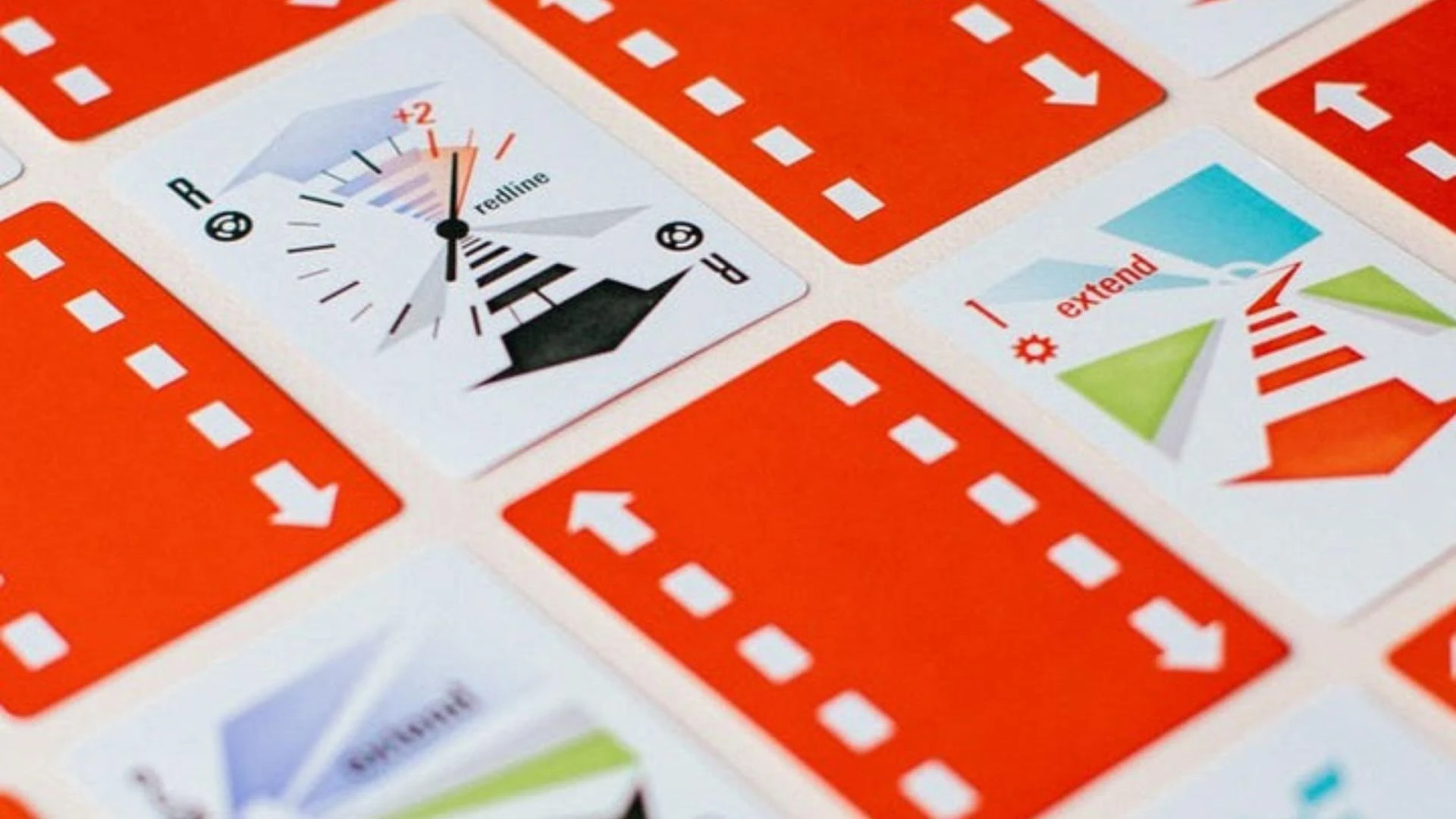
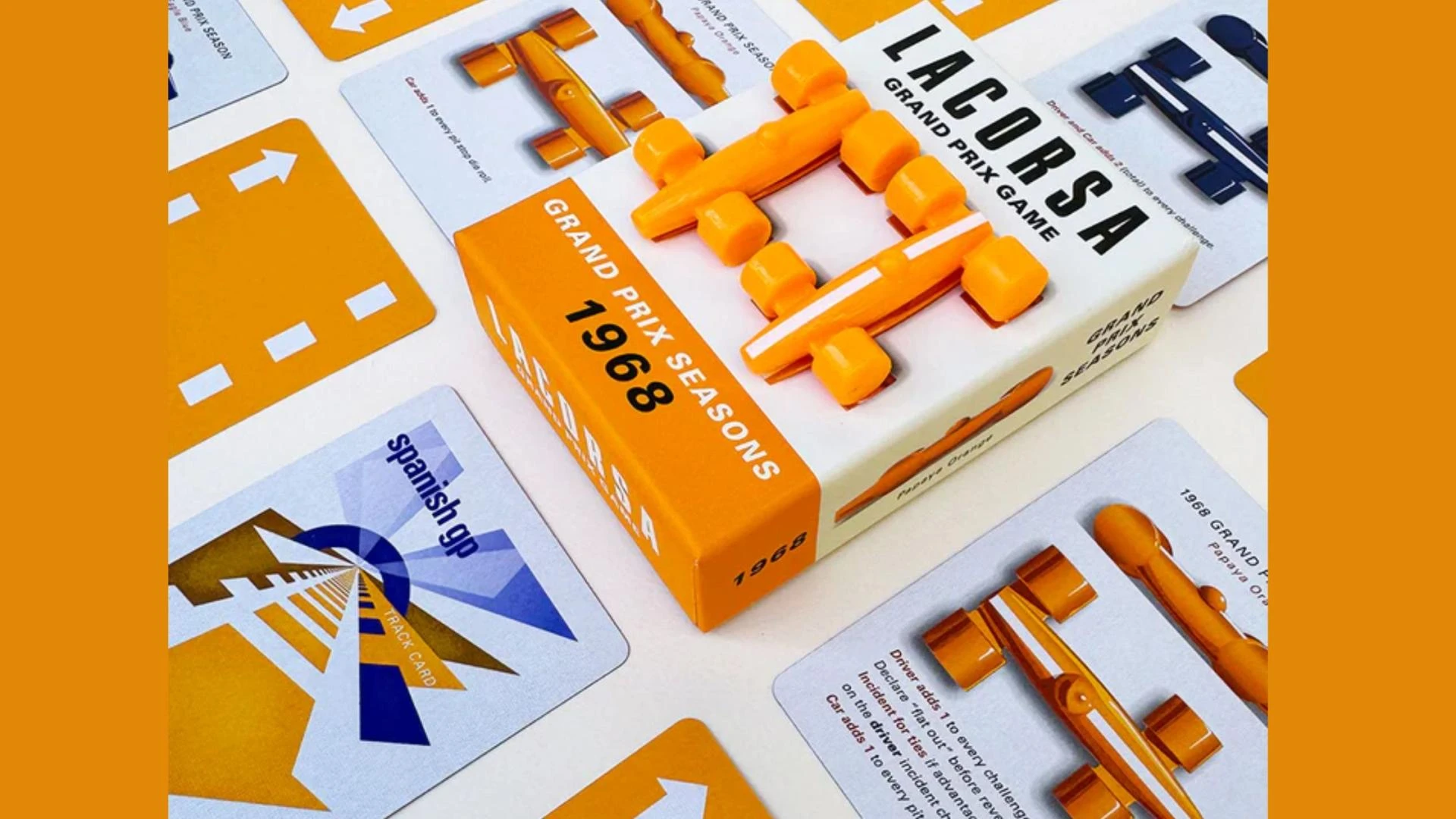
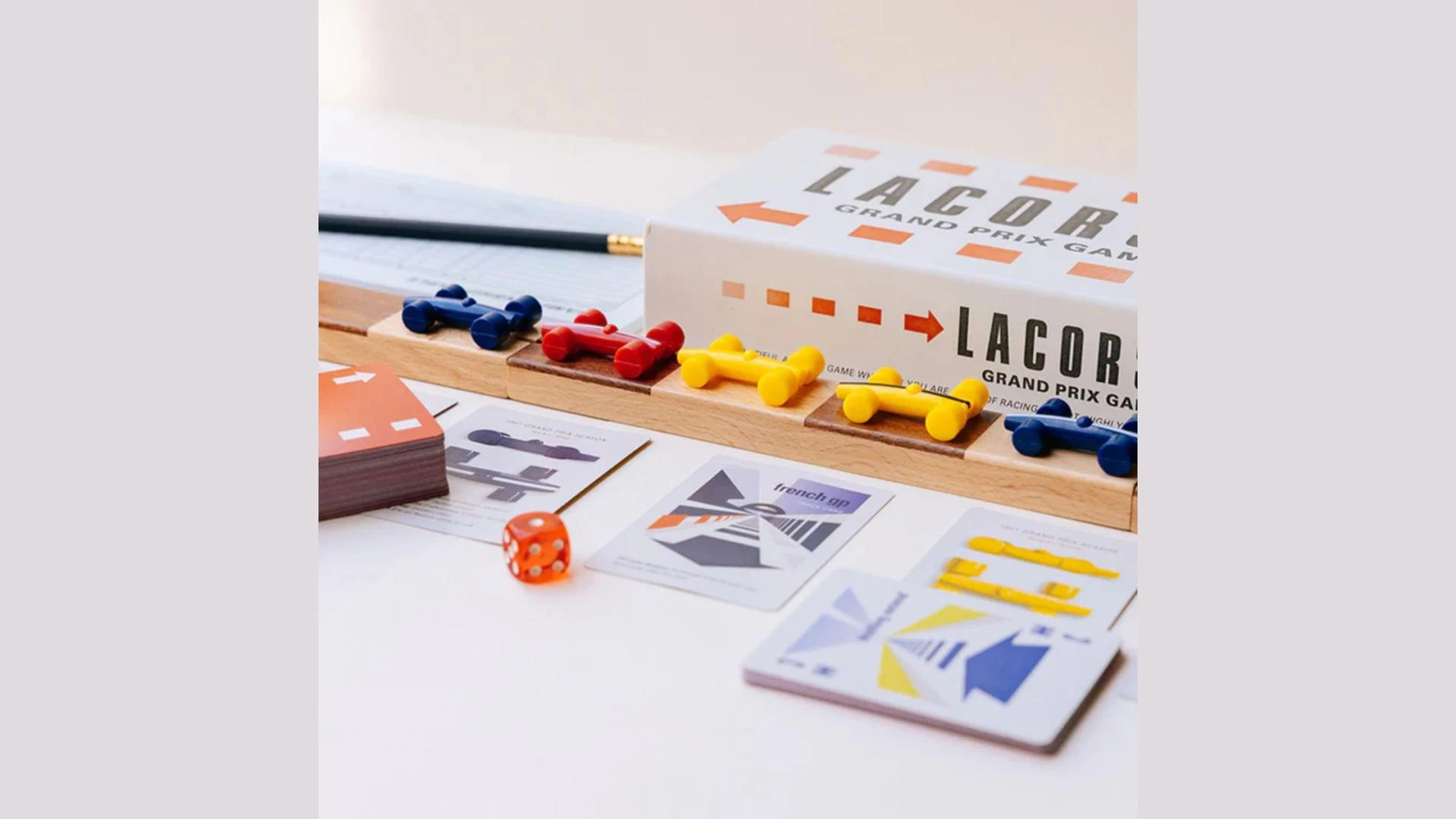
Success on the tabletop requires more than just luck with the dice. It demands a tool that respects the heritage and the mental load of the sport. LACORSA Grand Prix Game was built to meet this specific need. The creators spent over two years researching the fine details that make racing feel authentic. Mark Haskins, the designer, looked toward the golden era of the sport to find the right aesthetic. He drew heavy inspiration from the Swiss graphic design movement. Specifically, the Italian Grand Prix posters from the mid-twentieth century provided a template for a look that never goes out of style.
The game utilizes the Univers typeface, which follows strict Swiss principles to ensure everything is legible and sharp. Even the cars themselves serve a purpose beyond decoration. Their design pulls from 1970s Ferrari proportions to give each piece a sense of physical weight. This makes the cars feel like "racing chess pieces" that occupy real space on the track, emphasizing how difficult it is to find a gap and pass. From the British Racing Green of the Lotuses to the classic Red of the Italian teams, every component honors the history of the grid. LACORSA offers a premium experience for those who want to feel the strategic depth of the circuit without leaving their home.




















Sign in to leave a comment.