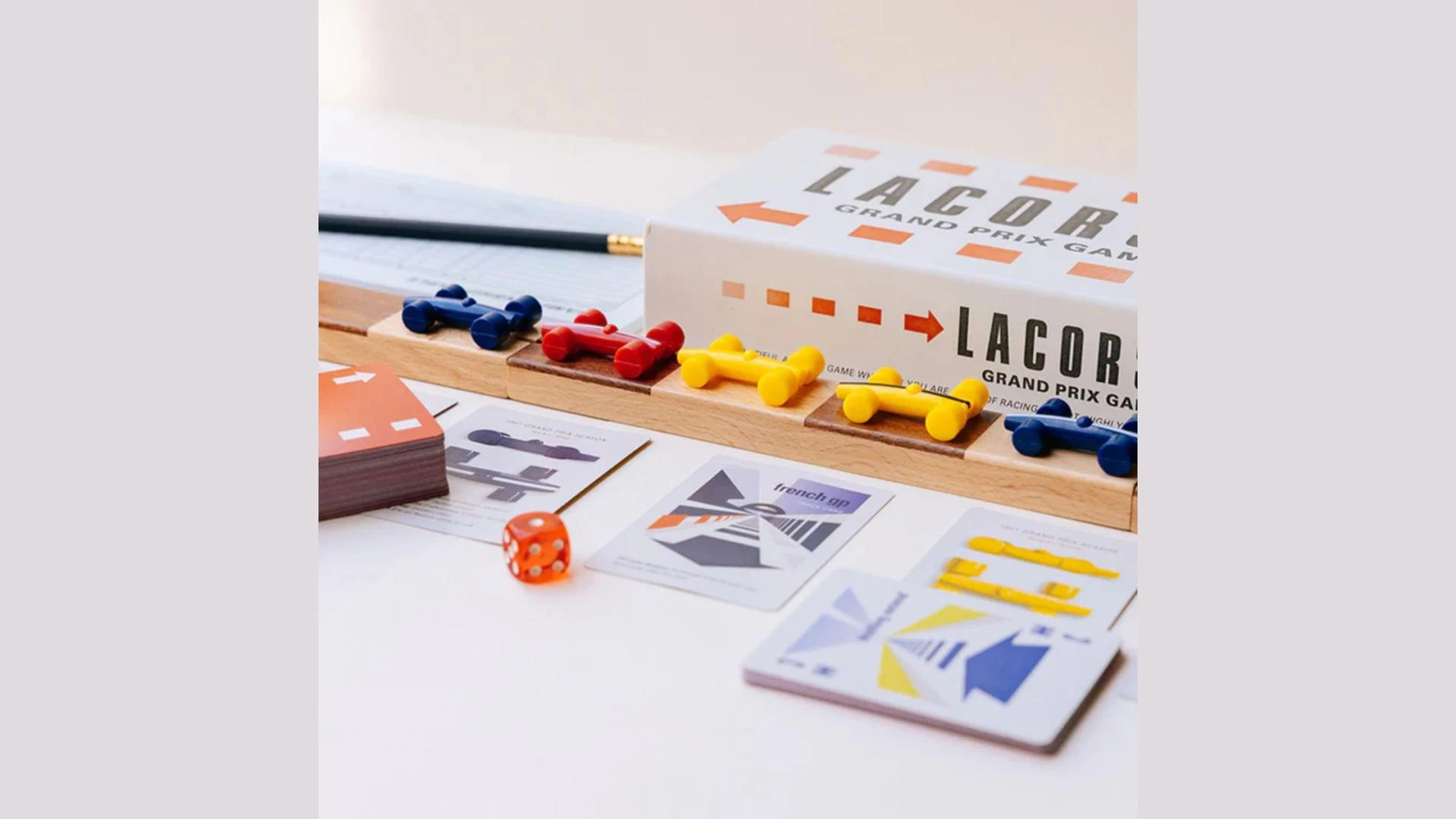

Watching a group of friends hunch over a tabletop while gripping little plastic vehicles shows exactly why racing simulations are dominating modern game nights. Fans crave the intense excitement of the track without needing a multi-million-dollar sponsor or a carbon-fiber chassis. The rising popularity of F1 board games stems from a perfect blend of simple rules and strategic depth that rewards clever positioning over raw speed. People enjoy these games because they turn complex physics, such as aerodynamics and energy harvesting, into satisfying mechanics on a game board. You can experience the thrill of a last-lap pass right from your dining room chair, making the hobby more inclusive and exciting than ever.
The Shift Toward Mechanical Realism
Tabletop enthusiasts used to settle for simple dice-rolling races where luck determined the winner. Modern designs have evolved from those basic origins by incorporating resource management that simulates real-world engineering. Now, players must consider how to outsmart rivals in the pits or ensure their machine lasts until the race ends. These additional layers of detail transform a simple hobby into a true test of foresight and strategic planning. Players enjoy feeling more than just drivers; they act as both lead strategists and pit crew members simultaneously. This shift toward "simpler" mechanics has attracted a new group of gamers who prefer to earn their victories rather than rely solely on luck.
Why Are Card-Driven Systems Replacing Dice?
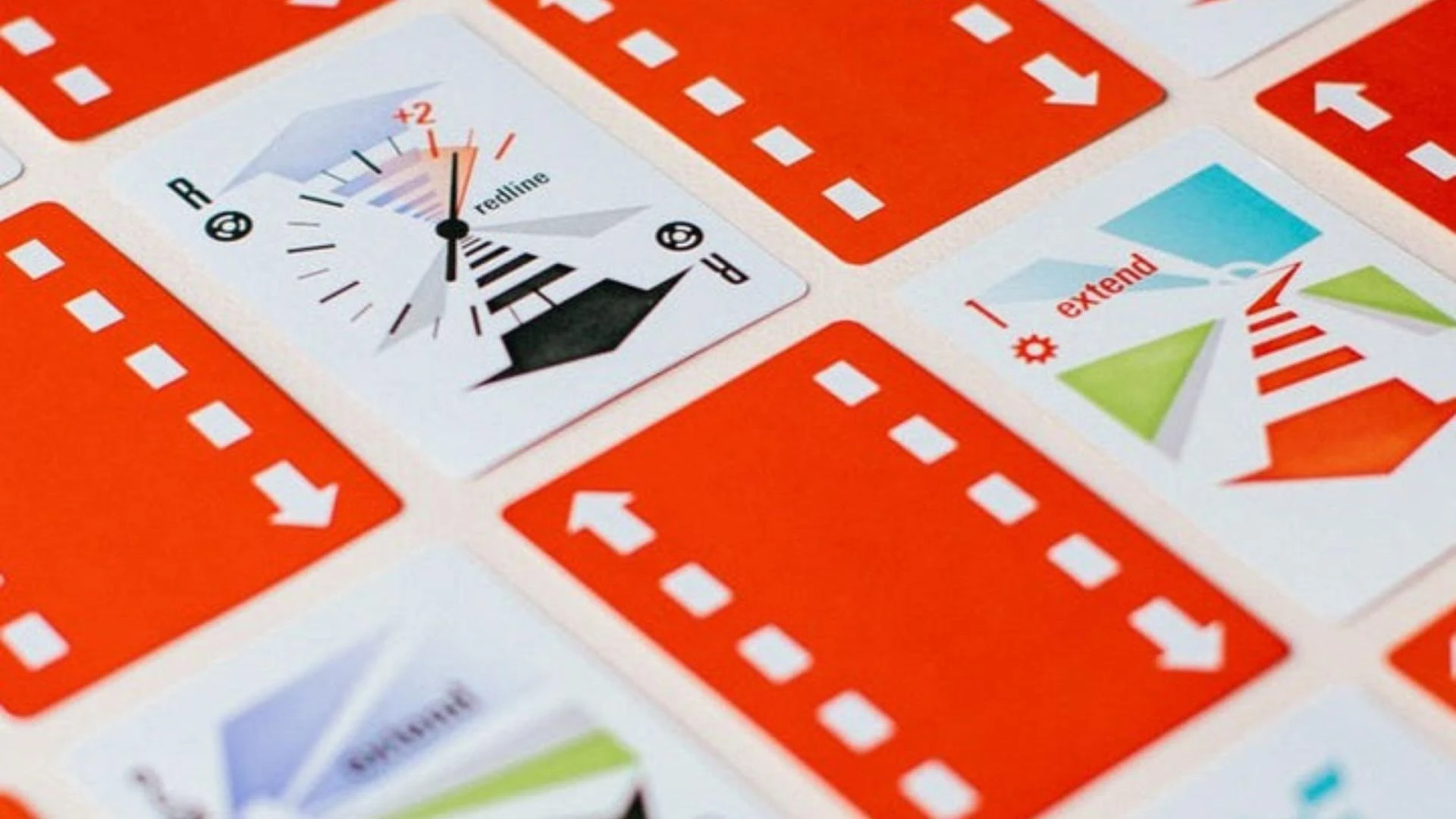
Randomness can be a threat to a serious competitor who wants full control over their destiny on the asphalt. Many new titles use card decks to represent a vehicle's capabilities, enabling a "hand management" style of play that adds strategic variety. You choose exactly when to play your high-speed cards and when to hold back. This system removes the frustration of a bad die roll ruining an hour of careful setup. Strategic depth grows when you know your opponent has a limited number of "boost" cards remaining in their deck. It creates a psychological battle where you try to lure your friends into wasting their best resources too early in the race.
Key Elements of Modern Racing Simulations
- Variable Weather: Rain races make everyone quickly alter their level of aggression.
- Drafting Mechanics: Staying close behind a leader allows you to conserve energy for a later sprint.
- Component Quality: Sculpted cars and wooden track boards elevate the physical experience.
- Customization: Most modern sets allow you to tweak your car’s strategy before the green flag drops.
The Social Buzz of the Pit Lane
Racing board games naturally create a loud, energetic atmosphere that few other genres can match. You aren't just sitting silently, moving cardboard tokens; you're cheering, groaning, and trash-talking as the pack maneuvers on a tricky circuit. The shared experience of a car board game, filled with colorful pieces, becomes a visual spectacle that draws people in from across the room. These games serve as a bridge between "hardcore" gamers and casual fans who simply love the look of professional motorsports. Celebrating a victory after a two-hour 1961 Monaco Grand Prix recreation fosters a special kind of tabletop camaraderie that keeps players coming back every weekend.
Does Complexity Kill the Fun for Newcomers?
Some worry that adding realistic physics and technical rules might scare off people who just want a quick game. Designers have responded by creating modular rulebooks that let you start with simple movement and add complex features later. You can play a "sprint" version for a twenty-minute burst or a "full season" mode that tracks points over several weeks. This flexibility is a major reason why the genre has grown so much in recent years. New players can learn the basics quickly, while veterans can still refine their skills and strategies. It keeps the entry barrier low while allowing a high level of mastery.
The Aesthetics of the Classic Grand Prix Car
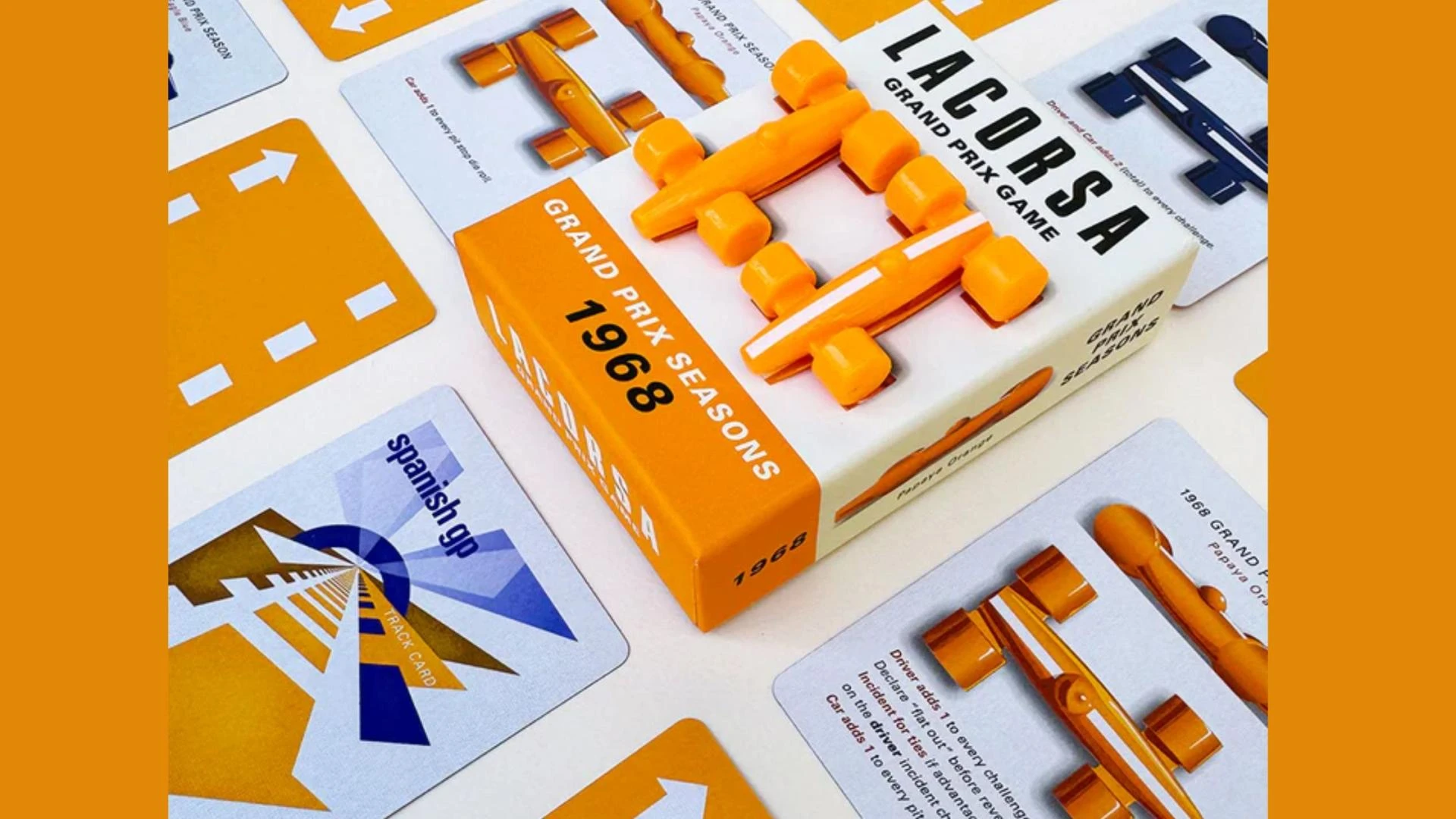
Visuals play a major role in a game’s "table presence," and racing titles are embracing high-end art. Race cars often feature vibrant colors and elegant shapes that make the track appear like a piece of art after the cars have qualified. Even the playing cards are designed to resemble vintage posters, and rulebooks look like modern technical manuals. Collectors enjoy having these sets on their shelves because they showcase a passion for both gaming and speed. High-quality components add a level of immersion that helps players lose themselves in the simulation. The "toy factor" is undeniably high, which adds a layer of joy that goes beyond the actual rules of the game.
Conclusion: The Final Lap of Tabletop Evolution
The rise of F1-themed board games signals a larger shift toward hobby games that blend style and substance. We are in a golden age where the excitement of the paddock is effortlessly reflected in plastic and wood. These games provide a unique way to channel competitive energy while remaining social and accessible. As the community grows, designs are likely to become even more innovative, combining real-world data with tabletop entertainment.
The Lacorsa Grand Prix Game exemplifies this evolution, focusing on the core of racing. It offers a simple, tactical experience that feels both timeless and modern. The game captures the tension of the track without overwhelming players with unnecessary paperwork. By emphasizing a well-timed move, the Lacorsa Grand Prix Game helps preserve the spirit of racing for fans of all ages. This commitment to quality and engagement suggests that tabletop racing will continue to grow in popularity over the years.
























Sign in to leave a comment.