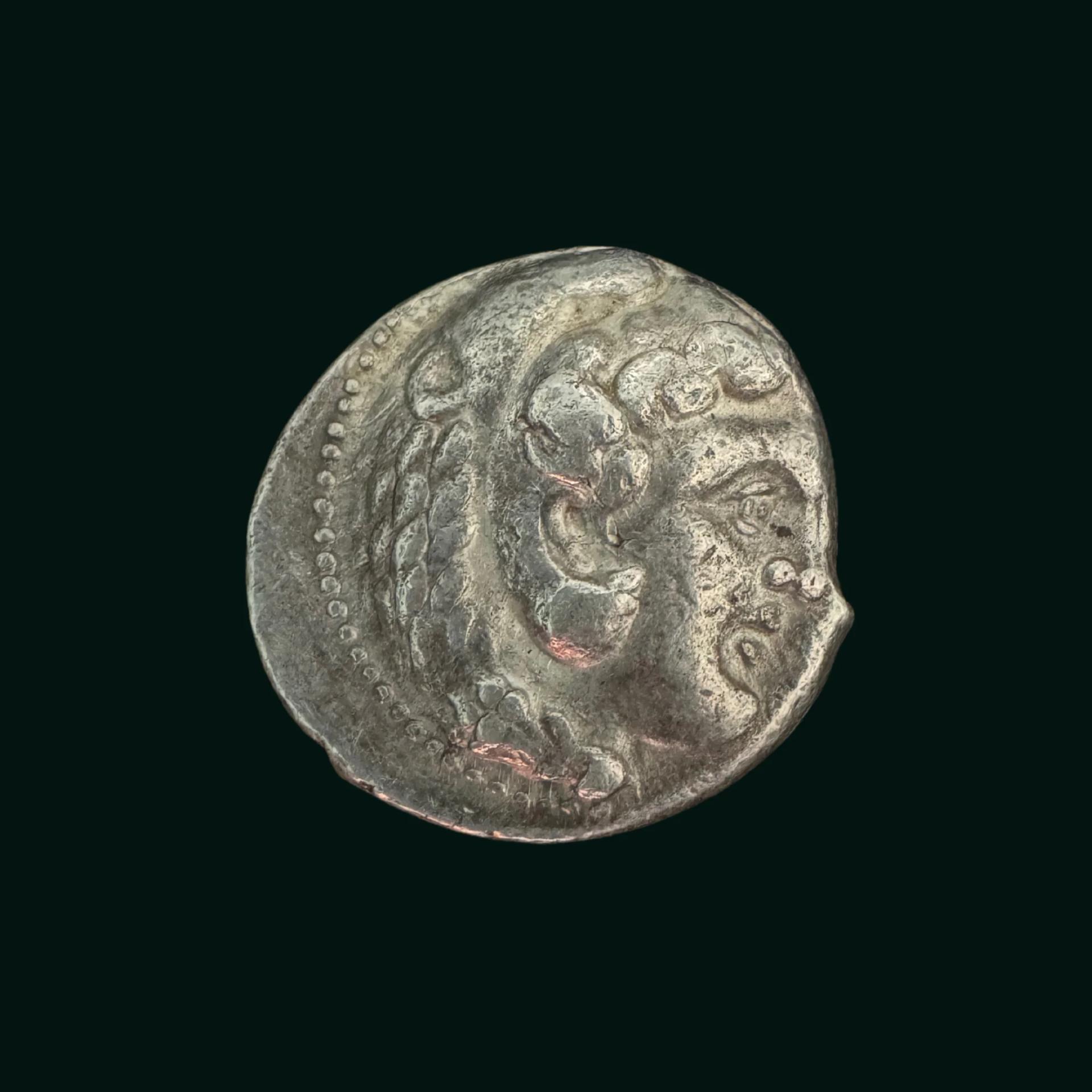

Ancient coins are more than just relics from the past — they are miniature time capsules that offer insight into the political, cultural, and economic landscapes of their eras. In the context of biblical times, these coins speak volumes about the rulers in power, the empires that rose and fell, and the complex relationships between politics and religion.
Coins as Political Tools
In the ancient world, coins were a primary medium for communicating power and authority. Unlike today, coins back then were not just currency — they were propaganda tools. Rulers minted coins to legitimize their reign, spread political messages, and assert dominance.
For example, a Roman emperor might strike coins with his portrait, titles, and divine claims to emphasize his power over a region, including Judea. These images and inscriptions were meant to remind the public who was in control.
Hellenistic Influence on Judea
Following the conquests of Alexander the Great, Greek culture spread across the Middle East, including Judea. The coins from the Hellenistic period often carried images of Greek gods, symbols of military power, and the names of foreign rulers.
This shift reflected not only a change in political leadership but also the tension between Jewish traditions and Greek cultural influences. The use of pagan imagery on coins minted in or circulated through Jewish territories became a point of conflict and resistance.
Roman Rule and Religious Tension
During the Roman occupation of Judea, coins revealed both political control and deep religious unrest. Coins from this period often featured images of the emperor and Roman gods — a direct affront to Jewish beliefs that forbade graven images.
One famous example is the denarius that bore the image of Emperor Tiberius. This is the coin likely referenced in the biblical passage where Jesus said, "Render unto Caesar what is Caesar's, and unto God what is God's" (Mark 12:17). This moment highlights the power dynamic between Roman authority and Jewish religious values — and coins were at the center of that tension.
Jewish Revolts and National Identity
In contrast to Roman coins, Jewish rebels during the First Jewish Revolt (66–70 CE) minted their own coins. These coins often omitted any human images and instead used symbols like pomegranates, palm trees, or the Temple — all culturally significant and religiously appropriate for Jewish audiences.
By issuing their own coins, the rebels made a clear political statement: resistance against Roman rule and the assertion of Jewish sovereignty. These coins are now powerful reminders of a community's struggle for independence and identity.
Conclusion
Ancient coins serve as valuable historical evidence that sheds light on the political and religious dynamics of biblical times. They were more than money — they were tools of power, resistance, and communication. By studying them, historians and archaeologists can better understand the complex world in which biblical events unfolded.
Whether showing the face of a foreign ruler, symbols of cultural resistance, or inscriptions tied to divine authority, these coins reveal a nuanced political landscape — one that continues to captivate scholars and readers alike.






























Sign in to leave a comment.