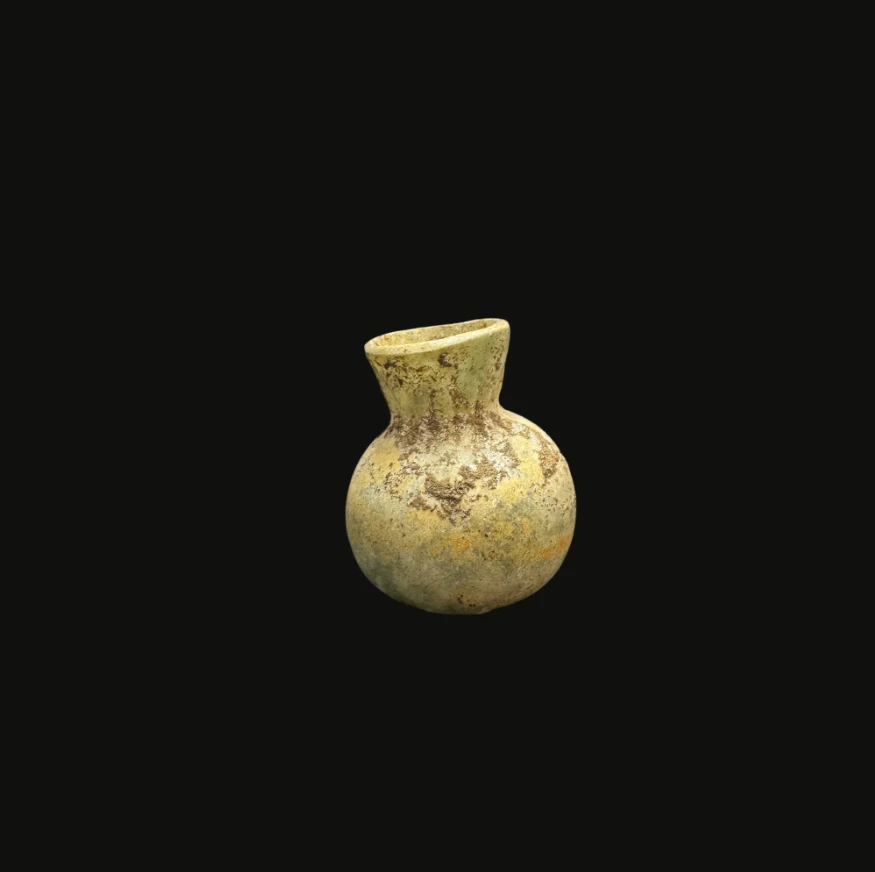

The Roman Empire, known for its military prowess, remarkable engineering, and cultural achievements, left behind a multitude of artifacts that help historians and enthusiasts piece together the intricacies of everyday life during this fascinating period. Among these objects, the humble Roman oil jar played an essential role in daily activities, underscoring its significance in both practical and cultural contexts. These oil jars, used for storage and transport, were indispensable in Roman households and industries, offering valuable insights into the economic, social, and cultural fabric of the empire.
The Multifunctional Purpose of Roman Oil Jars
Roman oil jars, often crafted from clay or ceramic, were primarily used to store and transport olive oil—a staple of ancient Mediterranean life. Olive oil had a wide range of applications in the Roman world. It was a dietary essential, used in cooking, seasoning, and even as a preservative. Beyond the kitchen, olive oil was a fundamental ingredient in lamps for lighting homes and streets, as well as in cosmetics and medicinal preparations.
The shape and size of Roman oil jar could vary based on their intended purpose. Large amphorae were often reserved for commercial transport, enabling the shipment of olive oil, wine, or other commodities across vast distances. Smaller, elegantly crafted jars were designed for personal or domestic use, found in both modest homes and luxurious villas. This versatility highlights the oil jar as a vital tool in Roman life, emphasizing its role in facilitating trade and enhancing cultural cohesion throughout the empire.
Symbolism and Social Insights
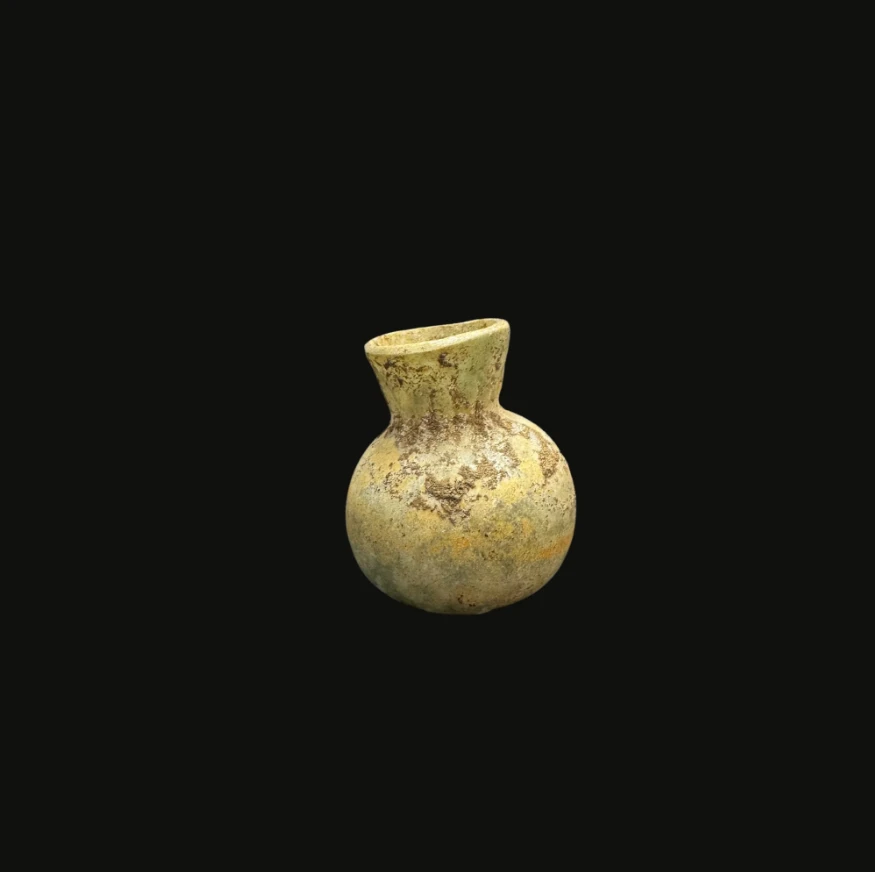
While Roman oil jars served essential practical functions, they also symbolized the interconnected nature of the Roman world. The widespread cultivation of olives and the production of olive oil reflected the empire’s agricultural expertise and economic priorities. These jars also shed light on trade networks that spanned from the heart of Italy to distant provinces, illustrating the Roman ability to integrate diverse regions into a unified economic system.
Additionally, excavated Roman oil jars often bear distinctive markings or stamps, sometimes detailing the producer, origin, or even the quality of the oil inside. These marks are significant as they provide historians with crucial information about production methods, trade routes, and societal preferences. The craftsmanship and inscriptions on oil jars also reveal the creativity and skills of Roman artisans, offering a glimpse into the empire’s cultural and artistic endeavors.
Discovering Roman Oil Jars Today
Today, Roman oil jars are esteemed artifacts for archaeologists, museums, and collectors who strive to uncover the everyday life of ancient Rome. Excavations have unearthed oil jars in various locations across the Roman world, including sites in Italy, Spain, and North Africa. Each discovery aids in reconstructing the economic and domestic activities that defined Roman society.
For enthusiasts and collectors, obtaining a genuine Roman oil jar is an extraordinary way to connect with this remarkable period of history. Ancient Levant, a trusted platform specializing in archaeological artifacts, offers a unique opportunity to acquire authentic Roman oil jars. Whether as part of a historical collection or an evocative display piece, owning a Roman oil jar provides an intimate connection to the past.
Preserving the Legacy
The legacy of Roman oil jars endures not just as a functional object but also as a testament to the innovation, resourcefulness, and cultural richness of ancient Rome. These jars narrate the story of a civilization that thrived on the principles of ingenuity and adaptation, leaving behind a legacy that continues to fascinate and inspire.
From their role in advancing trade to their contribution to everyday life, Roman oil jars remain a crucial link to understanding the ancient world. Platforms like Ancient Levant play a vital role in preserving and celebrating this history, making these remarkable artifacts accessible to collectors and historians alike.
By owning a Roman oil jar, you don’t just hold a piece of ancient pottery; you hold a fragment of history—one that has withstood the tides of time and invites us to explore a world long past. With every etching and curve, these jars tell a story that bridges the present and the past, urging us to keep unearthing and learning from the civilization that shaped so much of the modern world.


























Sign in to leave a comment.