

One of the crucial initiatives for accelerating digital transformation is modernizing core enterprise applications. In the digital era, many leading enterprises still work with legacy applications that run on obsolete technology. However, managing legacy applications poses a range of challenges and problems related to maintenance, security, and compatibility. These aspects disrupt the productivity of organizations at large.
Hence, modernizing legacy applications through agile methodologies is important to drive digitization. By teaming up with a recognized application modernization service provider, organizations can enable smooth restructuring, eliminate data silos/errors, and enhance application performance and efficiency.
Understanding Legacy Application Modernization
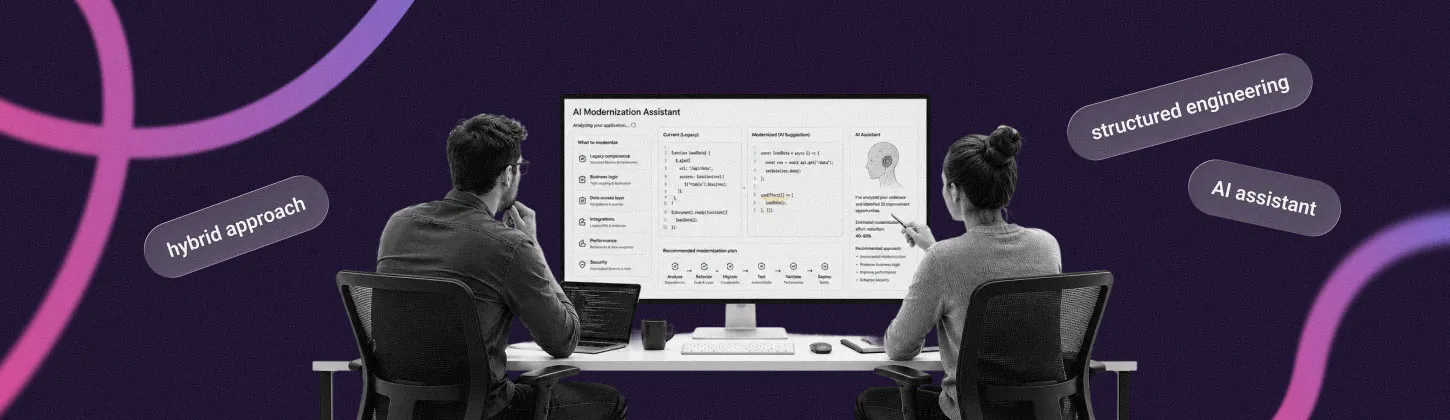
Legacy application or system modernization is an approach of restructuring the internal architecture and incorporating flexible features. By modernizing the outdated app infrastructure into a new environment, enterprises can lessen IT complexity, improve efficiency, facilitate a data-driven culture, and enhance scalability throughout organizational processes.
Key Challenges in Running Legacy Applications
Maintenance Expenses - Maintaining a legacy application in place means investing resources to an IT asset that needs to be updated or replaced anytime sooner or later.Compatibility - Legacy applications cannot be integrated with other enterprise systems or technologies that are vital for obtaining a competitive edge. Consequently, teams using legacy applications may not experience all the features offered by modern systems.Talent Retention- It is hard for enterprises to hire experts who alter or update legacy codebases. Hence, maintaining legacy applications without adequate supervision affects the performance of the business.Security - The lack of reliable maintenance, support, or updates, as well as the fact of using conventional security standards and protocols, results in the formation of patches that can cause security breaches. This makes meeting regulatory compliance more challenging for organizations using legacy applications.Reduced Productivity- Legacy applications are typically slower over time, which means efficiency and performance can be highly affected.Benefits of Legacy Application Modernization
1.Data Accessibility & Backup
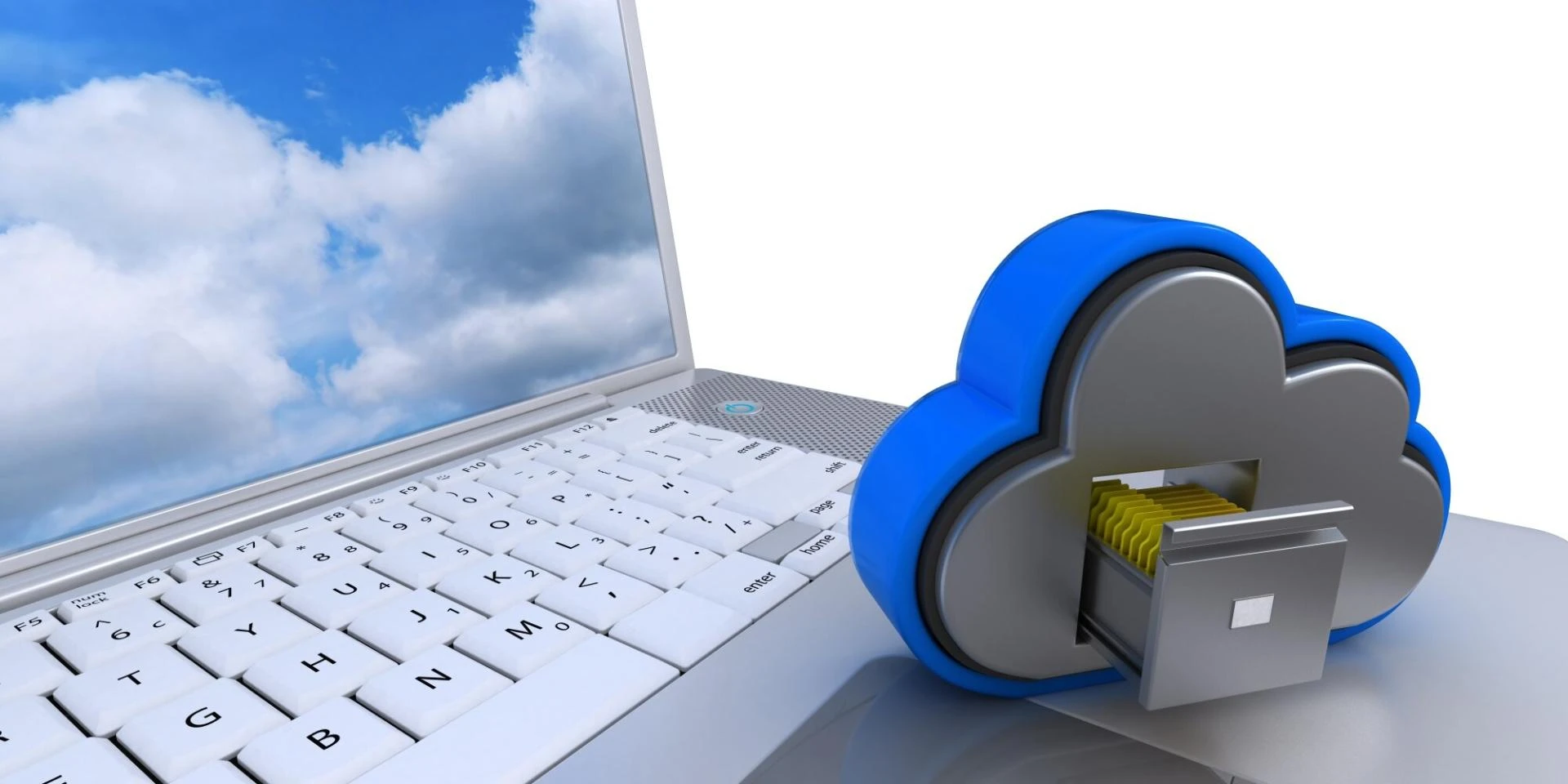
In the fast-paced and competitive ecosystem, leveraging data is the key for enterprises to thrive. Transitioning from an outdated, legacy environment to a modern environment allows professionals across the organization to access a huge volume of business data in real-time. By tapping into this data, enterprises can analyze market requirements and make app improvements accordingly. Instant data backup is another advantage of legacy app modernization. For instance, when a legacy enterprise app is modernized using Cloud, the app data will be recorded on the Cloud, ensuring secure backup in case of any unexpected downtimes.
2.Cost Reduction
As per a recent survey, around 68% of organizations spend their IT overheads on maintaining legacy applications in 2022. The massive amount of this maintenance process includes organizing the complex codebases and raising the support tickets. In addition, resolving code errors in legacy applications may extend from days to months and it requires companies to employ skilled experts with deep knowledge of the legacy ecosystem. This eventually results in greater operational and maintenance costs.
Whereas, enterprise application modernization using Cloud allows companies to re-write the legacy codebase using modern, open-source programming languages. This way, developers can overcome the effort of writing manual codes and eliminate errors. Organizations that modernize legacy applications using Cloud platforms are more likely to experience a substantial reduction in operational costs. By shifting the application footprint from a legacy ecosystem to Cloud, enterprises can lessen the cost associated with data center assets. On the whole, organizations can offer more adaptable and scalable services at affordable rates using the Cloud platform.
3.Meet Compliance
Meeting compliance requirements is important for every enterprise that runs and manages applications. With the ever-changing regulatory standards, it is quite hard for legacy applications-running organizations to fulfill the ever-varying requirements.
For example, consider a banking enterprise that uses the legacy application and offers services across the world. Certainly, the enterprise fails to fulfill varying regulatory compliances of different nations, and non-compliance leads to greater financial losses. Hence, modernizing banking management app using innovative technologies like IoT, Big Data, AI, and Cloud can help the enterprise to maintain better compliance and reduce obstructions to productivity.
4.Improves User Experience
Since legacy application modernization accompanies automation initiatives, it will significantly lessen the number of resources required to monitor and organize application working and performance. It further reduces manual errors and inaccuracies associated with the legacy ecosystem. By associating with the right legacy application modernization services provider, enterprises can leverage modern technologies like Virtual Reality (VR) and Artificial Intelligence (AI) to optimize their app’s performance. For example, incorporating mobile/ web applications using AI-powered Chatbots can improve user interaction and offer an intuitive experience.
5.Enhance ROI
Augmenting revenue is the eventual goal of any organization. Whereas, using legacy applications or systems, organizations will be restricted within a particular geographic location and cannot experience various means of revenue generation.
Growth and innovation are intertwined in advanced technologies. Hence, by implementing legacy application modernization, organizations can adopt agile business models, which help them advance revenue generation than working on traditional ecosystems.
Summing Up
On the whole, running and maintaining legacy applications is not going to add business value for enterprises. Implementing legacy modernization can help enterprises improve growth and identify many new potentials. However, before performing modernization, enterprises need to describe and document their business objectives and needs. Professionals from the right technology company can understand application requirements, regulate investment, and suitably modernize operations.





















Sign in to leave a comment.