


Token sale marketing has undergone a massive transformation in 2026, shifting away from the broad, mass-audience campaigns of previous years and moving toward precision-driven strategies centered on micro-communities. These small, highly focused groups whether on X, Discord, Telegram, Farcaster, or Lens have become the backbone of modern Web3 influence and investor behavior. As token buyers grow more skeptical of hype and more demanding of authenticity, micro-communities offer a direct path to trust, social proof, targeted messaging, and grassroots momentum. This blog explores in detail how token sale marketing teams are tapping into micro-communities in 2026, why they’re more effective than mainstream campaigns, how teams manage them, and how micro-niche engagement is reshaping token launches across the crypto ecosystem.
Why Micro-Communities Have Become the Heart of Token Marketing in 2026
Micro-communities have surged in importance in 2026 because the Web3 audience has fragmented into thousands of niche groups that follow unique interests, investment styles, and subcultures. Users no longer trust large generic groups filled with bots, repetitive shilling, and anonymous spam; instead, they rely on intimate spaces where discussions feel real, members share similar goals, and opinions come from credible voices they’ve followed for years. Token sale marketing teams realized that micro-communities produce higher conversions because they are already segmented, culturally aligned, and easier to activate with tailored content. As a result, campaigns now begin with identifying niche pockets of potential investors—like DeFi farmers in Vietnam, meme-coin traders on Farcaster, or NFT creators on Solana Discords—which allows teams to target messaging with laser-sharp precision and build trust faster than traditional advertising.
The Rise of Decentralized Fan Circles and Their Impact on Token Hype
Decentralized fan circles are emerging as powerful catalysts for token hype in 2026, functioning as small hubs of ultra-engaged users who champion specific blockchain themes, gaming ecosystems, or even individual crypto founders. These circles often form naturally around interests like AI agents, ZK tech, Real-World Assets, or SocialFi, and their members demonstrate unusually high loyalty toward projects that align with their shared identity. Marketing teams leverage these circles by studying their culture, building tailored narratives, and providing exclusive previews or early access perks that ignite organic enthusiasm. What makes decentralized fan circles uniquely potent is their ability to generate authentic word-of-mouth momentum rather than artificial hype, ensuring token discussions spread deeper into related mini-communities and fuel sustainable social visibility.
How Token Marketers Identify High-Value Micro-Communities Across Web3 Platforms
Locating the right micro-communities is now a strategic process driven by social listening tools, behavioral analytics, on-chain footprint analysis, and platform-specific audience insights. Token marketers use tools to map out clusters of users who exhibit consistent activity around particular topics, such as governance voting, NFT minting, or upcoming launchpads. On X (Twitter), they look at niche hashtags, Spaces hosts, and tight-knit comment networks; on Discord, they analyze channel participation and community roles; on Telegram, they track mini-groups formed around bots, yield discussions, or alpha calls. Platforms like Farcaster and Lens make it even easier by categorizing individuals into interest channels. The goal is simple: find small but active groups with aligned investment psychology and a track record of supporting emerging tokens.
Personalized Messaging: The Core Strategy Behind Micro-Community Engagement
Personalized messaging is the engine that drives micro-community activation, as 2026 audiences reject generic token sale content and expect communication that resonates with their specific motivations. Token sale marketing teams create micro-narratives crafted exclusively for each niche group for example, highlighting staking utilities for yield-focused communities, showcasing roadmap execution for governance-driven groups, or emphasizing token access incentives for NFT collectors seeking early perks. This personalized messaging feels more intimate and relevant, making members feel understood and valued rather than targeted. As a result, these micro-communities generate more authentic engagement, spread the token message organically, and help projects build trust before public sales even begin.
Micro-Influencers: The New Powerhouses for Token Endorsements
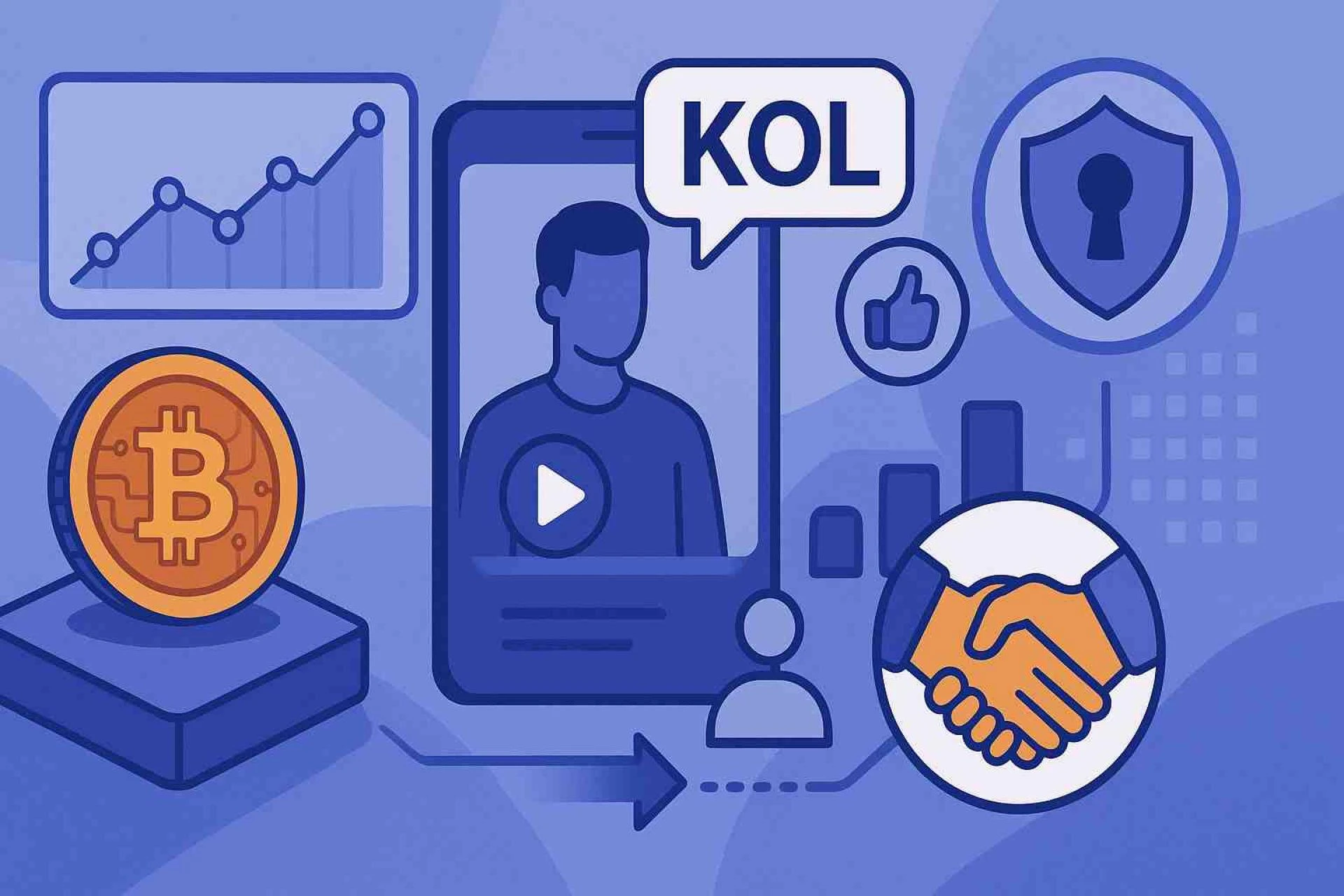
Micro-influencers have become significantly more influential than mega-influencers in 2026 because their audience connects with them on a deeper, more informal level. These creators often manage communities of 5,000 to 50,000 members—small by Web2 standards but incredibly powerful in Web3 due to high personalization. Token sale marketing teams collaborate with micro-influencers who specialize in specific crypto sectors such as staking, GameFi, SocialFi, meme coins, or technical innovations like ZK and modular blockchains. These influencers create tailored narratives, host intimate AMAs, share personal analysis, and produce content that sparks active discussions within their communities. Their endorsements feel trustworthy because they speak the same cultural language as their followers, and this authenticity drives conversion far more effectively than mass campaigns from large influencers.
Niche AMAs That Convert Better Than Large-Scale Events
Instead of hosting large public AMAs that attract thousands of passive listeners, token sale teams now conduct hyper-focused AMAs within specific micro-communities. These smaller sessions often inside closed Discord channels, Telegram alpha groups, or gated Farcaster communities lead to deeper questions, stronger project understanding, and a more meaningful connection between founders and potential investors. Because the audience is already niche-specific, everything discussed feels relatable, and the group gains a sense of exclusivity that makes them more invested in the project’s growth. These AMAs also provide marketing teams with high-quality feedback because niche users often have advanced expertise and share nuanced questions that help refine the project narrative.
Community-Led Content Creation and Its Role in Viral Token Moments
One of the biggest advantages of micro-communities is their ability to generate organic, user-led content that spreads across multiple digital spaces. Token sale marketing teams encourage these groups to produce community-generated memes, educational threads, explainer videos, mini-reviews, and infographics that highlight project strengths in a style tailored to each community's culture. When a meme or concept resonates strongly within a micro-community, it often jumps across other niche circles and creates ripple effects that traditional ads cannot replicate. This bottom-up content generation not only amplifies visibility for the token but also gives community members a sense of ownership in the marketing journey, increasing loyalty and long-term support.
Community Incentives: How Rewards Activate Micro-Audiences
In 2026, incentive structures are designed specifically for micro-communities, rewarding high-engagement members with perks that drive deeper involvement. These incentives may include early access to token sales, discounted entry into private rounds, whitelist spots, staking multipliers, or digital collectibles tied to the project’s ecosystem. Token sale marketing teams tailor reward programs to align with each micro-community’s unique motivations for example, DeFi communities prefer yield-related rewards, while SocialFi groups value reputation-based badges or identity-linked NFTs. These targeted incentives quickly turn passive community members into active ambassadors who promote the project within their social circles.
SocialFi Platforms Are the New Micro-Community Ecosystems
SocialFi platforms like Farcaster, Lens, and decentralized creator networks have become essential for micro-community engagement in 2026 because they allow users to form topic-based channels, follow interest pods, and discover projects organically through peer endorsements. Token sale marketing teams use these platforms to collaborate with channel moderators, run targeted micro-campaigns, distribute exclusive content, and introduce token updates in formats that encourage natural engagement rather than forced promotions. Because SocialFi platforms reward user participation and content creation with token incentives, they naturally attract highly engaged communities creating perfect environments for token sale teams to tap into.
Data-Driven Community Segmentation for Higher Conversions
The rise of advanced analytics tools allows token sale marketers to segment micro-communities with extreme precision. Teams analyze interaction patterns, sentiment data, comment frequencies, wallet activity, and transaction behaviors to categorize community members into segments like early adopters, risk-takers, long-term holders, meme-traders, or technical analysts. This segmentation enables more targeted outreach and ensures that each group receives updates relevant to their investment preferences. By understanding micro-behaviors, marketing teams can structure token sale journeys that feel individualized, dramatically improving conversion rates and strengthening post-launch loyalty.
Closed Alpha Groups: The Most Influential Niche Communities of 2026
Closed alpha groups have become one of the most powerful micro-community structures in the crypto space because they consist of highly informed investors, analysts, and early adopters who collectively influence buying decisions. Token sale marketing teams work hard to earn credibility within these groups by offering exclusive briefings, early project documentation, testing access, and private Q&A sessions. Once accepted by these alpha groups, token projects gain instant legitimacy, and members often share detailed breakdowns or investment theses within their networks. The recommendations coming from these groups carry more weight than paid promotions, making them crucial pipelines for organic token demand.
The Role of Community-Led Governance in Strengthening Token Trust
Micro-communities increasingly participate in project governance, helping shape token utilities, launch structures, feature priorities, and long-term ecosystem direction. Token sale marketing teams use this trend to empower niche communities by giving them voting rights or providing early input opportunities, making members feel personally invested in the project’s success. This participatory approach fosters stronger attachment to the token and motivates community-led evangelism that spreads across mini-groups organically. Governance involvement not only builds trust but also ensures that messaging aligns with what micro-communities genuinely value.
Localized Micro-Communities and the Expansion of Regional Token Outreach
Regional micro-communities have become critical in 2026 because geographic and cultural differences significantly influence how users evaluate token projects. Token sale marketers create localized narratives for regions like Southeast Asia, Eastern Europe, Latin America, Africa, and the Middle East, ensuring content resonates with regional values, language, and market conditions. These highly targeted groups often form around country-specific Telegram channels, local X (Twitter) hubs, blockchain meetup circles, or localized crypto incubators. Token projects gain a competitive advantage by building trust within these regional micro-groups before broadening into global campaigns.
Micro-Communities as Real-Time Feedback Engines for Token Teams
One of the most valuable benefits of micro-communities is the real-time, high-quality feedback they provide to token teams during pre-launch and post-launch stages. Because these groups consist of active participants who deeply understand crypto trends, they share practical insights on tokenomics, narratives, product experience, user interface, staking structures, or project communication. Token sale marketing teams use this feedback to pivot strategies instantly, refine messaging, and ensure that the project aligns with expectations of its most passionate early supporters. This feedback loop is far more effective than broad surveys because micro-communities speak from real expertise.
Private Testing Circles and Micro Beta Groups for Building Hype
Token projects now offer early testing access to handpicked micro-communities to generate exclusive excitement and high-value user data. These beta groups test token utilities, staking dashboards, governance portals, or GameFi mechanics before public release, sharing impressions that influence wider perception. Because the participants feel privileged to receive insider access, they naturally promote the project within their networks and build pre-launch anticipation. Token sale marketing teams rely heavily on these groups to stress-test features, identify friction points, and refine the user journey based on targeted feedback from niche users.
Emotional Storytelling Tailored for Micro-Communities
Emotional storytelling is a powerful tool in 2026 token marketing, with teams crafting narratives tailored specifically for each micro-community’s identity. Instead of generic pitches, projects build stories around values such as decentralization, AI innovation, creator empowerment, gaming culture, or regional economic inclusion. These narratives resonate deeper within micro-communities because they connect emotionally with their purpose, aspirations, or collective memories. By telling stories that mirror the community’s own culture, token sale marketers spark loyalty-driven engagement that feels authentic rather than promotional.
The New Era of Token Reveal Events for Micro-Communities
Token reveal events have become more intimate and targeted in 2026, conducted directly inside niche ecosystems rather than on big public platforms. These events may include closed Spaces, gated Discord calls, private Telegram announcements, or personalized reveal videos tailored for specific groups. Because the reveal feels exclusive, micro-community members feel more connected to the project from the start, driving stronger engagement and immediate token visibility. Token sale marketing teams design these reveals to speak directly to the values and interests of each group, maximizing excitement and early conversion potential.
Reputation-Based Engagement: How Micro-Communities Filter Hype
Micro-communities rely heavily on internal reputation systems—such as OG badges, moderator credibility, long-term membership activity, and identity-linked wallets—to determine which token projects deserve attention. Token sale marketing teams recognize this and often collaborate with the most respected voices inside each community, ensuring their message is carried by individuals with established trust. This filtering ensures that only authentic projects penetrate micro-communities, making endorsements more meaningful and significantly increasing investor confidence. Because reputation acts as a natural defense against scams, these communities provide a safer environment for token marketing.
AI-Powered Moderation and Scalable Micro-Community Management
With hundreds of micro-communities to target, token sale teams now use AI-driven systems to analyze sentiment, respond to user queries, manage multiple group discussions, and automate content distribution. AI agents trained on project knowledge can answer community questions instantly, monitor engagement spikes, and highlight keywords that indicate user frustration or buying interest. This automation enables marketing teams to manage dozens of niche communities simultaneously, ensuring consistent engagement without burning team resources. AI assistants also help maintain community quality by filtering spam, detecting bot activity, and identifying micro-members who require personalized outreach.
Case Study Models: How Micro-Communities Trigger Token Virality
Micro-communities often act as spark points for token virality, creating social waves that amplify visibility across the Web3 landscape. When early supporters inside niche groups share bullish sentiments, prepare threads, create memes, or drop alpha hints, other micro-communities quickly catch on, creating a cascading effect. Token sale marketing teams study these patterns and design campaigns that intentionally seed excitement inside select micro-groups known for rapid information spread. This approach produces a domino effect, where multiple independent niche clusters amplify the narrative simultaneously, resulting in sustained hype rather than short-lived spikes.
Micro-Community Retargeting for Higher Token Sale Conversions
Retargeting is a crucial strategy in 2026, with token sale marketing teams using micro-community data to send highly personalized reminders, updates, announcements, and incentives. Rather than generic promotional messages, retargeting content is crafted for each niche group’s identity, making communication more relevant and persuasive. Community members who previously interacted with the project attending AMAs, joining Discord channels, or participating in early polls receive targeted follow-ups that guide them organically toward token sale participation. This micro-personalized retargeting dramatically increases conversion rates because it surfaces at the right time with the right tone.
The Role of Identity in Strengthening Micro-Community Token Loyalty
Identity is a defining element of micro-communities in 2026, with many niche groups forming around shared values or specific blockchain subcultures. Token sale marketing teams tap into these identity layers by aligning their messaging, visuals, culture, and mission with the community’s collective identity. For example, AI communities respond to narratives around automation and intelligence; DeFi communities value security and yield transparency; NFT creator circles care about empowerment and ownership. By appealing to identity, token projects transform micro-community members into long-term supporters rather than temporary investors.
How Micro-Communities Drive Post-Launch Ecosystem Stability
After the token sale ends, micro-communities continue to play a crucial role by supporting onboarding, user retention, governance participation, and organic marketing. These groups often become the first adopters of token utilities, staking platforms, governance portals, or dApps built around the ecosystem. Because they were involved early, they become cultural anchors for new users and help shape community norms. Token sale marketing teams rely on these niche groups to stabilize the ecosystem during early volatility and to maintain long-term social engagement through regular updates, feature previews, and incentive programs.
The Future of Micro-Community Marketing in Token Sales
The shift toward micro-community-driven marketing will intensify in the coming years as Web3 audiences become even more fragmented and AI personalization tools grow more powerful. Token sale marketing teams will increasingly operate as community architects, shaping multi-layered engagement ecosystems rather than running traditional ad campaigns. Future micro-communities may form around wallet identity, on-chain behavior, AI agent personalities, or immersive metaverse hubs. As the landscape evolves, projects that master micro-community activation will consistently outperform those relying on broad marketing tactics, because trust, belonging, and relevancy will remain the core drivers of token success.
Conclusion
Micro-communities have reshaped the token sale landscape in 2026, offering unmatched precision, engagement, and conversion power in an industry where authenticity and trust have become essential. These small, niche groups provide fertile ground for building belief-driven narratives, fostering loyalty, encouraging organic content creation, and enabling meaningful dialogue between token projects and early investors. Token sale marketing teams now operate within dozens of micro-communities at once, tailoring messaging, incentives, governance participation, and storytelling to each group’s unique culture. As crypto continues to fragment into specialized tribes, micro-community-driven strategies will remain the most effective and sustainable approach for launching tokens that thrive beyond hype and create lasting impact in the Web3 world.





























Sign in to leave a comment.