
Modern homeowners are rethinking how much time and effort they want to spend maintaining their outdoor spaces. With busier lifestyles and changing climate conditions, low-maintenance gardens are becoming the preferred choice across Sydney. As part of this shift, many households are turning to artificial grass installation sydney to achieve clean, usable gardens without the constant upkeep associated with natural lawns.
This change isn’t just about convenience. It reflects a broader move towards practical, long-lasting landscaping solutions that still look good year-round.
Why Low-Maintenance Gardens Are in Demand
Sydney homes come in many forms, from compact townhouses to larger suburban blocks. What they increasingly share is limited time for garden care. Long work hours, family commitments, and travel mean fewer people want to spend weekends mowing, watering, and repairing lawns.
Low-maintenance gardens focus on smart design choices that reduce ongoing work. Hardscaping, native plants, efficient irrigation, and synthetic turf all contribute to outdoor areas that stay presentable with minimal effort.
The Role of Artificial Grass in Modern Landscaping
Artificial grass has evolved significantly over the years. Today’s products are designed to look natural, feel comfortable underfoot, and withstand Sydney’s weather conditions. Unlike traditional lawns, synthetic turf doesn’t thin out in shaded areas or turn brown during hot summers.
It has become a key element in contemporary landscaping because it provides consistency. Whether installed in backyards, front gardens, or courtyards, it creates a tidy foundation that complements other design features without demanding regular care.
Reducing Water Use and Ongoing Costs
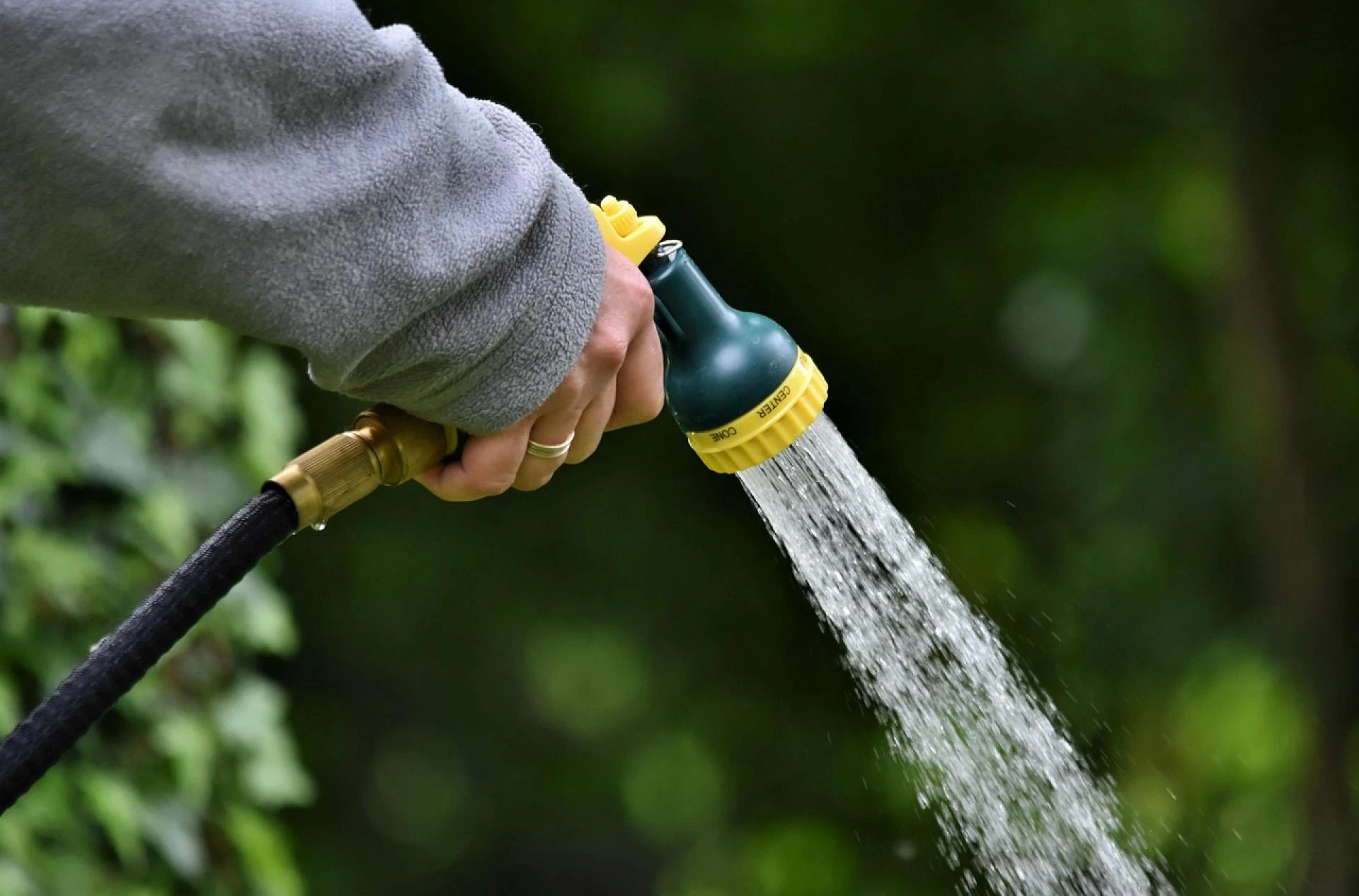
Water conservation is a major consideration for Sydney households. Natural lawns require frequent watering to remain healthy, especially during dry periods. This not only increases water bills but can also become problematic during restrictions.
Artificial grass removes the need for routine watering altogether. While occasional rinsing may be needed to clean the surface, overall water usage is drastically reduced. Over time, this contributes to lower household costs and a more sustainable approach to landscaping.
Perfect for High-Use and Problem Areas
Some areas of a garden are difficult to maintain with natural turf. Narrow side yards, shaded sections, rooftop terraces, and courtyards often struggle to support healthy grass growth.
Artificial grass performs particularly well in these challenging spaces. It handles foot traffic without wearing down, making it ideal for homes with children, pets, or frequent outdoor entertaining. Even after heavy use, it maintains its shape and colour.
Pairing Artificial Grass With Other Design Elements
Low-maintenance gardens don’t rely on a single feature. Artificial grass works best when combined with complementary elements such as paved paths, raised garden beds, decorative stones, and native planting.
This balanced approach creates visual interest while keeping maintenance manageable. Synthetic turf can soften the look of hardscaping and provide usable green space without the burden of constant care.
Year-Round Visual Appeal
One of the biggest advantages of artificial grass is its consistent appearance. Natural lawns change with the seasons, often requiring extra work to recover from heat, rain, or heavy use.
Artificial grass stays green throughout the year, helping gardens look well-kept regardless of weather conditions. This reliability is particularly appealing for homeowners who want their outdoor spaces to always feel welcoming.
A Practical Choice for Modern Living
The rise of low-maintenance gardens reflects changing priorities. Homeowners want outdoor spaces that enhance their lifestyle, not add to their workload. Artificial grass supports this goal by offering durability, water efficiency, and visual consistency.
As Sydney continues to grow and evolve, landscaping solutions that balance appearance with practicality are likely to remain in high demand. Artificial grass has firmly established itself as a key part of that future.







Sign in to leave a comment.