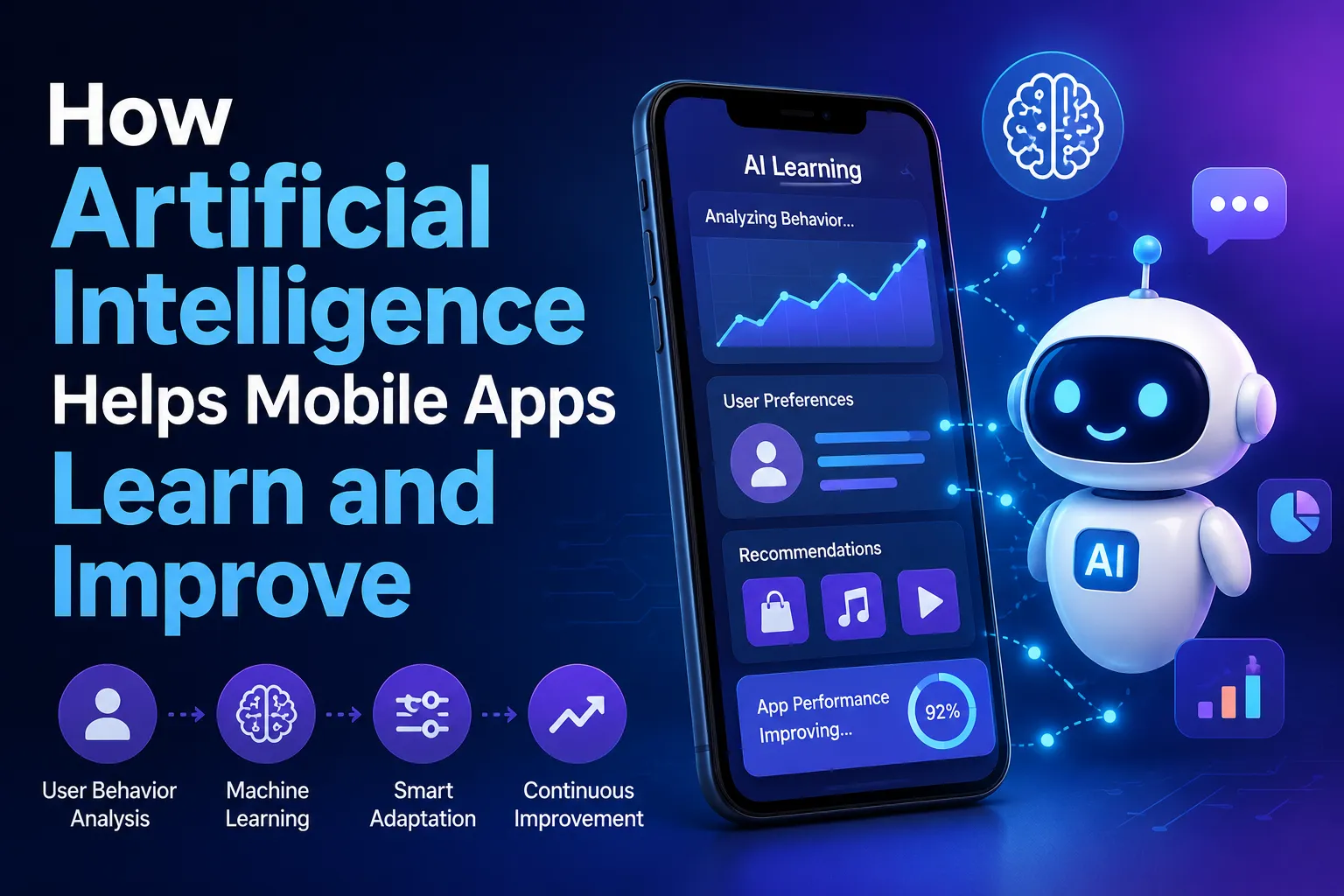

Have you ever wondered why your favorite apps know what you want before you tap the screen? Artificial intelligence (AI) is the hidden engine making this happen. AI helps mobile apps learn and improve by tracking user habits, spotting patterns, and changing the screen in real time.
Apps used to be basic blocks of code sitting on your phone. Today, smart software turns a normal app into a helpful digital assistant. From planning your morning drive to picking a workout playlist, machine learning runs the show. It changes and grows the more you use it.
Building these smart tools takes careful planning and the right setup. The app must run smoothly without killing your phone's battery. This is why modern businesses hire expert AI Development Services to build their software. They connect your daily data to a flawless app experience.
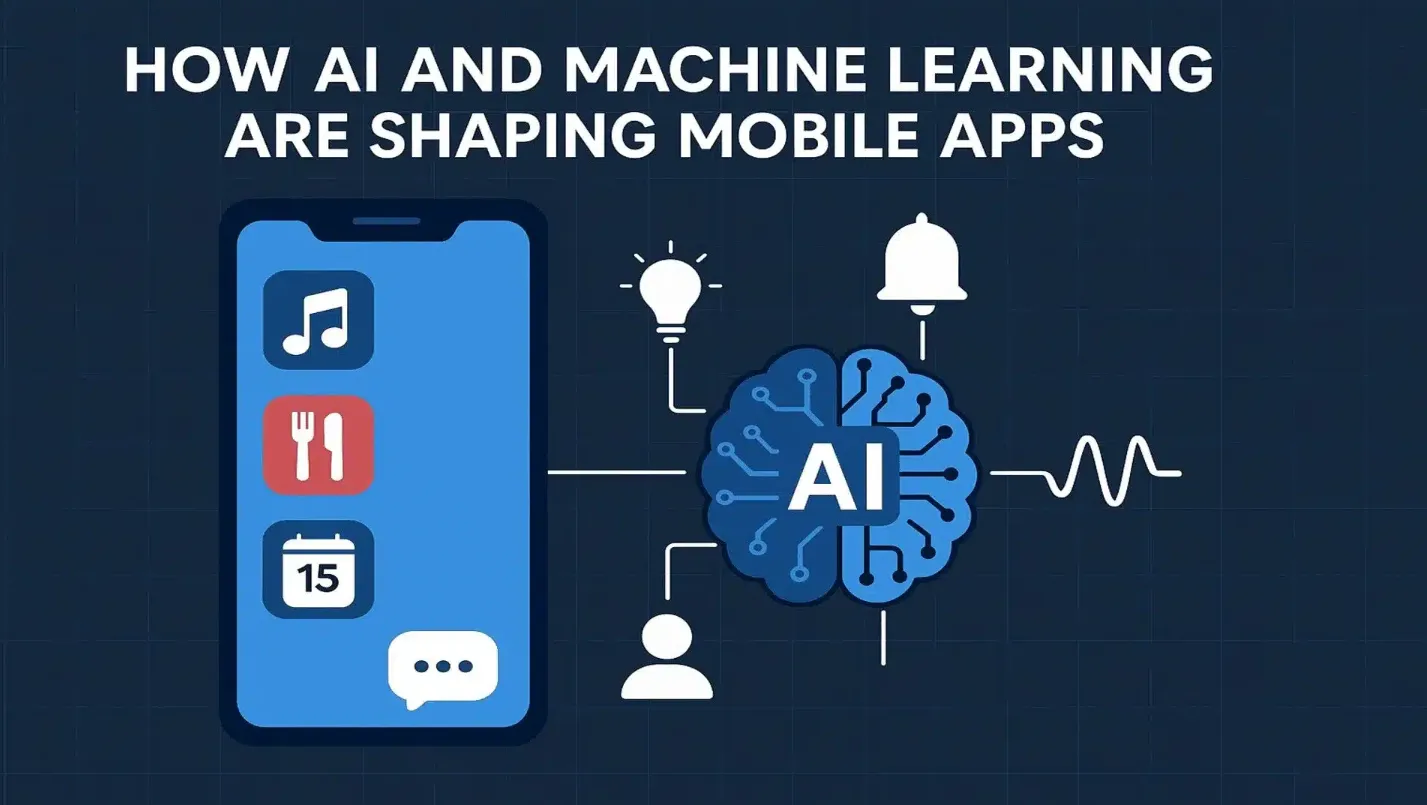
Moving From Static to Dynamic Software
Early mobile apps ran on strict rules set by developers. If you tapped a button, the app did one specific thing. It never changed. Every single person saw the exact same screen, no matter how they used the app.
AI broke these strict limits by learning non-stop. Old apps waited for you to download a software update. Modern apps update their own layout based on your habits. Every swipe, pause, and click teaches the app what you like.
This means two people can download the same app and get totally different experiences. Within a few weeks, the software learns your specific needs. It molds its features to fit your exact lifestyle.
Core Tech Powering Smart Apps
To understand how software learns, we need to look at the tech behind it. Artificial intelligence is a broad term. It covers a few different fields of computer science. Each field plays a special role in making your phone smart.
Machine Learning Algorithms
Machine learning is the brain behind almost every smart app today. These programs scan huge piles of data to find hidden trends. They do this without needing a human to write new code.
The more data they read, the better their guesses become. A fitness app might track your running speed for three months. It then uses that data to build a custom workout plan just for you. The app did not just record your run; it learned from it.
Natural Language Processing (NLP)
Natural Language Processing helps apps understand and speak human language. This is the tech behind voice assistants and smart chatbots. NLP bridges the gap between how we talk and how computers read code.
When you ask a banking app to find an old receipt, NLP figures out what you mean. It ignores your filler words and runs the search. It also learns your specific voice and accent over time. This makes it much better at hearing you correctly.
Advanced Computer Vision
Computer vision gives mobile apps the power to "see" images and videos. It scans pixels to spot objects, faces, and text inside a photo. This takes a lot of computing power. It only recently became possible on mobile phones.
Social media face filters and mobile check deposits rely on computer vision. Instant translation cameras use it to read signs in other languages. As people take more photos, these visual tools get sharper and faster.
Building Accurate User Profiles
Before an app can help you, it needs to know who you are. AI does this by building a behavior profile in the background. It tracks how long you use the app, what buttons you click, and when you log in.
This tracking happens automatically. It looks for habits you repeat over and over. If you always order coffee at 8:00 AM on weekdays, the AI notices. By 7:55 AM the next day, it might send a message asking if you want your usual drink.
This kind of smart guessing saves you time and effort. The app does the heavy lifting for you. It turns a long search into a single screen tap.
Making the Screen Personal
One of the best ways an app improves is by moving its own buttons around. Smart apps shift menus and images to highlight what you use most. This keeps your screen clean. It hides the features you never touch.
Movie streaming apps are great at this layout trick. The movie rows, cover photos, and banners you see are completely unique to you. The app tests different looks to see which one keeps you watching the longest.
If you watch a lot of action movies, the app moves action titles to the very top. If you ignore romantic comedies, it pushes them down to the bottom of the screen.
Getting the Most Out of iOS
Apple’s digital world offers great tools for smart apps. Apple provides tools like Core ML for developers. This lets them run powerful machine learning right on the iPhone's own chip. It keeps your data safe on your phone instead of sending it to the web.
To use these native tools well, companies often hire a top iphone app development company to build their software. Building AI for iOS means managing memory perfectly. If the code is messy, the app will slow down the whole phone. Industry leaders like Apptechies know how to mix great design with fast AI.
When done right, this local machine learning works even without Wi-Fi. This offline power is a massive bonus for travel maps and fitness apps.
5 Ways AI Changes App Features
Want to see how AI changes your daily phone use? Look at the specific features it powers. Here are the top ways smart apps make life easier:
- Smart Typing and Search: Apps guess what you want to type. They show the best search results before you finish your sentence.
- Instant Customer Help: Smart chat bots fix complex service issues right away. You do not have to wait on hold for a human agent.
- Saving Battery Life: AI watches how much power an app needs. It turns off background tools you are not using to save your battery.
- Perfect Timing for Alerts: The app figures out when you are most active. It sends alerts exactly when you are ready to read them.
- Live Language Translation: Texting apps translate messages into your native language instantly. This makes talking to anyone in the world incredibly easy.
Changing How We Shop on Mobile
Shopping apps have totally changed thanks to smart algorithms. E-commerce apps now act like personal shoppers. They study what you looked at yesterday to suggest things you will actually buy today. This smart matching helps stores sell much more.
AI also fixes the checkout process. It tracks when people leave items in their cart without paying. If the app sees you leaving the payment screen, it can send you an instant discount code. This smart pricing trick helps stores win back lost sales.
Virtual try-on features also use camera vision to reduce clothing returns. You can see how a pair of glasses looks on your face before you buy them. This builds massive trust with the buyer.
Boosting App Security With Smart Tech
Security is a huge deal for smartphone users. We keep bank details and private photos on our devices. Artificial intelligence makes mobile security much stronger by hunting for weird behavior. It knows how you normally use your phone.
If a hacker gets into your bank app and tries to send money at 3:00 AM from a new city, the AI jumps in. It freezes the transfer right away. It knows this action does not match your normal habits. This stops theft before it even happens.
Face ID and fingerprint locks are also driven by machine learning. These tools adapt to small changes in your face over time. They make sure you can always unlock your phone safely.
The Rise of Edge Computing
In the past, smart AI needed giant remote web servers to work. Your phone sent data to a server, waited for a response, and then updated the screen. This caused annoying delays. It also required a perfect internet connection.
Edge AI changes everything by moving the brain to your physical phone. Modern mobile chips are incredibly strong. They can run complex AI right in your hand. This stops the server delay. It makes apps respond to your taps instantly.
Edge computing also fixes major privacy worries. Because your data stays on your actual phone, hackers cannot steal it during a web transfer. Your habits stay private.
Fixing the Roadblocks
Teaching an app to learn is still a very hard job for engineers. High-quality AI needs giant piles of clean data to work right. If an app learns from bad or messy data, it will make bad guesses.
App builders also have to balance smart features with phone limits. If a smart app drains a battery in one hour, the user will delete it. Finding the perfect balance takes a lot of hard testing and fixing.
Privacy laws also limit how much personal data an app can collect. Developers must build clear AI systems. They have to respect privacy rules while still gathering enough data to make the app smart.
What the Future Holds for Smart Apps
We are just starting to see what AI can do on a mobile phone. The next wave of apps will build totally custom screens in real time. The idea of one normal app layout for everyone will soon be completely dead.
New AI will let apps create custom images, text, and tools just by talking to you. You won't just click through menus anymore. You will talk to your app to build the exact tool you need right then and there.
These learning loops will get so fast that your phone will predict what you need. It will know what you want before you even realize you want it. The line between your phone's system and the app itself will blur.
Wrapping Up
Building a smart application is not just a neat trick anymore. It is something you must do if you want people to keep using your software. Users today expect their apps to be fast, smart, and genuinely helpful.
By partnering with the right Mobile App Development Company, you can turn a basic idea into a smart platform that grows with your users. The future belongs to apps that never stop learning. They constantly adapt to make our daily lives just a little bit easier.
Frequently Asked Questions
1. How does an app learn what I like?
Ans: Mobile apps learn by tracking data points. They watch how long you stay on a page, what buttons you click, and when you open the app. The program spots habits you repeat and changes the app to match your routine.
2. Will smart AI drain my battery?
Ans: It can drain your battery if the code is bad. However, modern apps process data directly on your phone's chip. Smart tools are even used to save battery life by turning off features you ignore.
3. Is my personal data safe with AI apps?
Ans: Top developers make sure your data stays on your actual device. This is called on-device machine learning. Because your data is not sent to a random web server, the risk of data leaks is very low.
4. What makes an AI app different from a normal app?
Ans: Normal apps run on fixed rules and never change until you download an update. AI apps are dynamic. They change their own menus, suggest different content, and adapt to your daily habits in real time.
5. Can an app use AI without Wi-Fi?
Ans: Yes. Thanks to modern phone chips, developers can put light AI models right on your device. This lets features like face unlock and live translation work perfectly without any internet connection.


























Sign in to leave a comment.