
Introduction
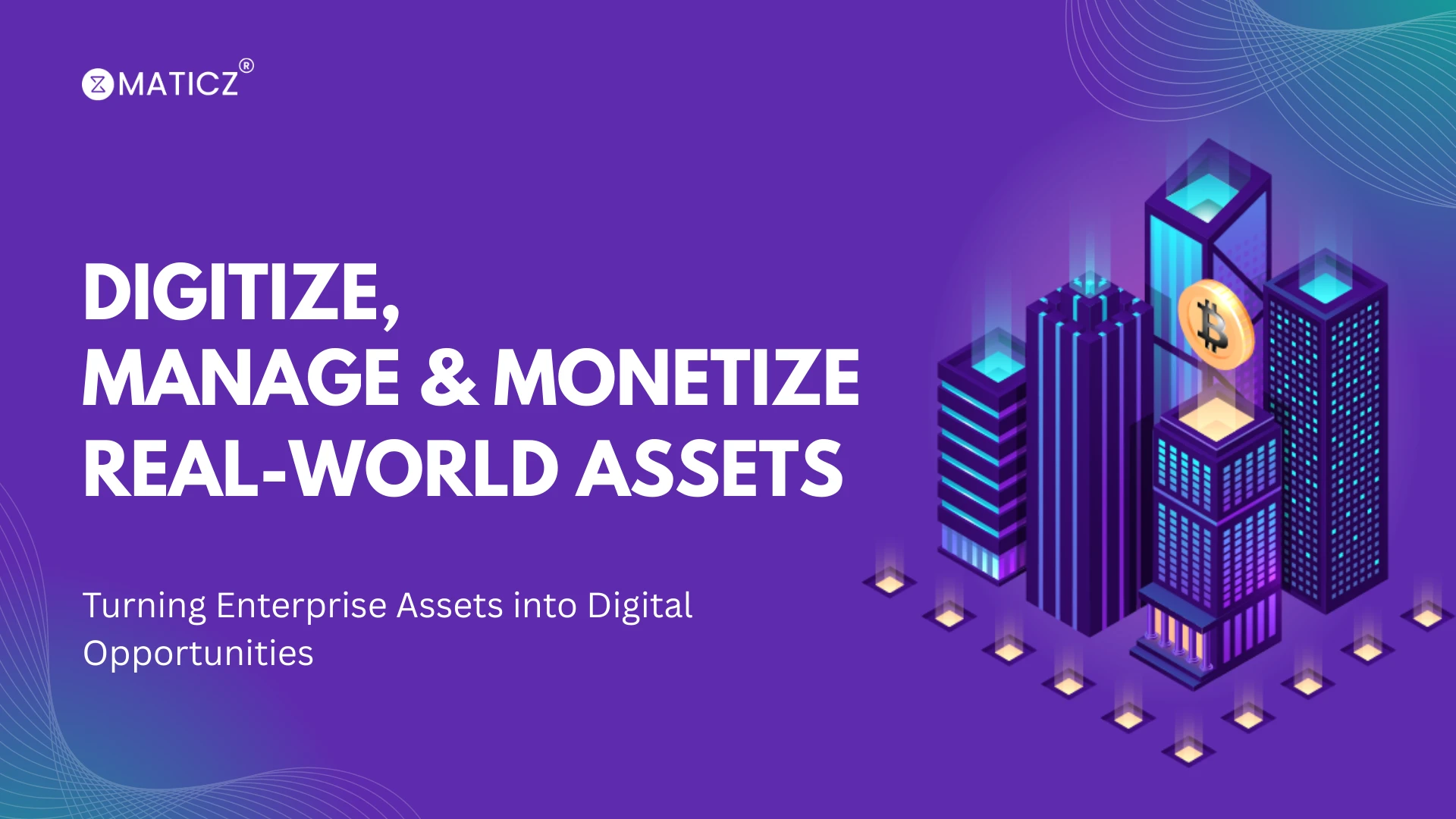
In today's fast-moving economy, many businesses are seeking new ways to unlock value from their traditional assets. Asset tokenization offers a valuable solution by converting real-world assets into secure, tradable digital tokens.
Think of it like digital certificates of ownership that are secure, easy to track, and can be broken into smaller pieces. This approach allows enterprises to manage, monetize, and scale their assets with greater efficiency and transparency.
By partnering with a Asset tokenization company, enterprises can turn their slow-moving physical assets into fast-moving digital value.
Why Tokenization is the Next Step for Modern Enterprises
Enterprises today are under immense pressure to optimize asset utilization and unlock hidden value. Traditional asset management often leaves capital "locked" in illiquid holdings, restricted by slow processes and local market silos.
Asset tokenization addresses this by creating programmable digital twins of real-world assets, enabling fractional ownership and 24/7 access to global capital.
For the modern enterprise, tokenization is more than a technological shift; it is a strategic pivot toward automated compliance, instant settlement, and scalable financial growth.
How Asset Tokenization Companies Make It Happen
Asset tokenization companies enable enterprises by providing end-to-end solutions, including:
Digital Asset Creation – Converting physical or financial assets into secure digital tokens using blockchain technology.
Smart Contract Management – Automating ownership, transfers, and compliance rules for efficiency and transparency.
Regulatory Compliance – Ensuring all tokenized assets meet legal and financial regulations across jurisdictions.
Investor Onboarding & Management – Facilitating access for investors, including fractional ownership and global participation.
Transaction & Asset Management – Handling secure trading, reporting, and lifecycle management of tokenized assets.
Integration with Enterprise Systems – Connecting tokenized assets to existing financial and operational infrastructure.
By combining these capabilities, tokenization companies transform complex enterprise processes into streamlined, scalable, and transparent digital operations.
Which Enterprise Assets Can Be Tokenized?
Enterprises can now digitize a vast range of assets to unlock liquidity and attract global capital:
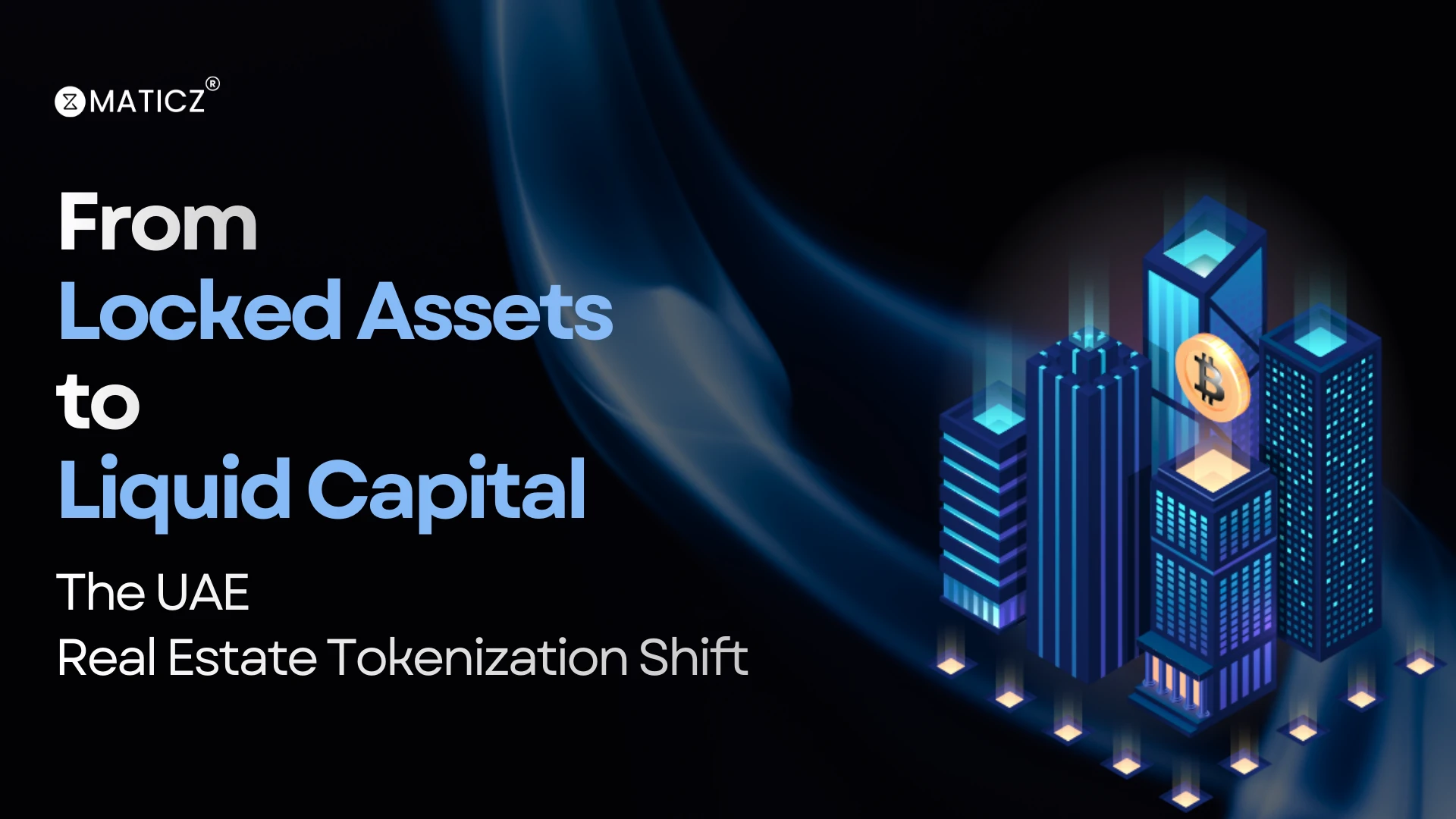
Real Estate: Commercial buildings and land parcels can be fractionalized, allowing for smaller, more accessible investment entries.
Private Credit & Debt: Corporate loans and invoices can be tokenized for instant working capital and easier trading.
Financial Instruments: Private equity, investment funds, and even government bonds (T-bills) are being moved on-chain for 24/7 settlement.
Commodities: Gold, oil, and rare metals can be represented as digital tokens for transparent, borderless trading.
Intellectual Property (IP): Patents, copyrights, and royalty streams can be converted into tradable digital instruments.
By tokenizing these assets, companies transform "locked" physical value into liquid digital wealth.
Key Business Benefits of Asset Tokenization
Asset tokenization helps enterprises unlock liquidity, improve operational efficiency, and access global investors.
Through automation and smart contracts, businesses gain greater transparency, security, and regulatory control while scaling asset management more effectively. It also reduces reliance on intermediaries, lowering costs and accelerating transaction timelines.
As a result, enterprises can convert static assets into flexible financial instruments that support long-term growth.
Top Enterprise Use Cases: Tokenization in Action
Real Estate Tokenization
Enterprises tokenize commercial and residential properties to enable fractional ownership, unlock liquidity, and accelerate capital raising.
Private Equity & Fund Tokenization
Investment firms tokenize fund units and private shares to improve liquidity, streamline investor onboarding, and expand access to global investors.
Debt & Receivables Tokenization
Corporations tokenize loans, bonds, and receivables to optimize cash flow, automate settlements, and reduce reliance on intermediaries.
Choosing the Right Asset Tokenization Partner
Selecting the right asset tokenization partner is critical to enterprise success. Businesses should look for providers with strong regulatory expertise, secure blockchain infrastructure, and proven experience in handling real-world assets.
A reliable partner should also offer end-to-end support, from legal structuring and compliance to ongoing asset management.
Ultimately, the right tokenization company acts not just as a technology vendor, but as a long-term strategic partner.
Conclusion: The Future is Tokenized
Asset tokenization is no longer a "future" concept; it is a live production advantage in 2026.
By converting static holdings into dynamic digital instruments, enterprises gain a structural edge in liquidity, settlement speed, and global capital access. Those who integrate these digital rails today are not just upgrading their technology; they are fundamentally redefining how they manage and grow wealth.


























Sign in to leave a comment.