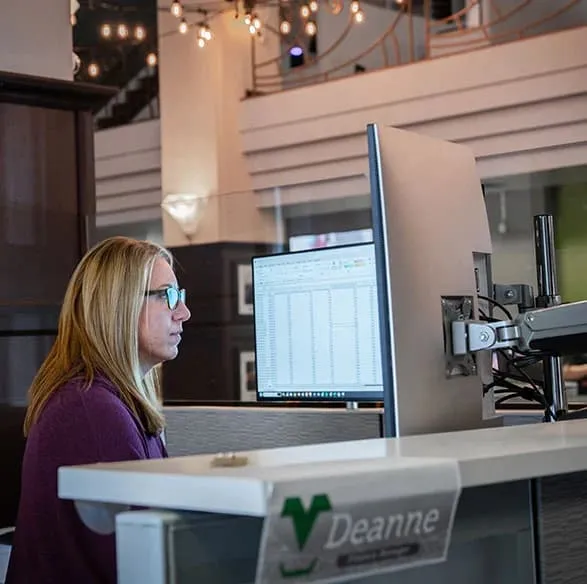

Small businesses often operate with limited budgets, smaller teams, and fewer resources than larger competitors. Despite these limitations, they are expected to provide efficient service, respond quickly to customers, and maintain consistent operations. As technology becomes increasingly accessible, small business automation can help organizations manage repetitive responsibilities while making better use of available resources. Automation can streamline everyday activities, reduce administrative workloads, improve accuracy, and give employees more time to focus on customer relationships, strategic planning, and revenue generating responsibilities.
Automation is no longer limited to large organizations with extensive technology departments and significant budgets. Modern solutions can support businesses of different sizes by addressing specific operational challenges. Small organizations can automate activities such as appointment scheduling, customer communication, invoice processing, data entry, reporting, and inventory management. When carefully selected and implemented, these tools can reduce unnecessary manual work without creating excessive complexity. This allows smaller companies to improve their operational capabilities while maintaining a practical approach to technology investment and business growth.
Reducing Repetitive Administrative Work
Automating Everyday Tasks
Small businesses often require employees to handle many administrative responsibilities alongside their primary roles. Repetitive tasks such as entering information, organizing records, sending reminders, scheduling appointments, and preparing standard communications can consume valuable working hours. Automation can perform many of these activities according to predefined rules, reducing the amount of manual effort required. Employees can then spend more time on responsibilities that directly contribute to business development. This shift can improve productivity while allowing smaller teams to accomplish more without placing unnecessary pressure on individual employees.
Improving Workflow Consistency
Manual processes can vary depending on which employee performs a task and how familiar that person is with established procedures. Inconsistent workflows can lead to missed steps, delays, and avoidable errors. Automated processes provide standardized instructions that guide activities consistently from beginning to completion. This helps small businesses maintain reliable procedures even when workloads increase or employees change responsibilities. Consistency can also make training easier because new employees can follow clearly defined workflows rather than depending entirely on informal instructions or individual experience.
Improving Productivity With Limited Resources
Making Better Use of Employee Time
Time is one of the most valuable resources for a small business because employees often perform multiple roles. Spending several hours on repetitive administrative activities can reduce the time available for customer service, sales, planning, and other important responsibilities. Automation can handle routine processes while employees concentrate on tasks requiring communication, creativity, professional judgment, and problem solving. This creates a more efficient allocation of human resources. Small businesses can therefore increase productivity without necessarily expanding their workforce at the same rate as their operational demands.
Reducing Employee Workload
Excessive administrative work can contribute to employee fatigue and reduce overall workplace efficiency. When workers repeatedly perform simple tasks, attention can decline and mistakes may become more likely. Automation reduces repetitive responsibilities and allows employees to focus on more meaningful activities. A better distribution of work can improve morale while helping employees maintain greater concentration. Small businesses can benefit from a workforce that spends more time solving customer problems, improving services, and supporting growth instead of being overwhelmed by routine administrative requirements.
Enhancing Customer Service
Providing Faster Responses
Customers increasingly expect businesses to respond quickly to questions, appointment requests, order updates, and service inquiries. Manual communication processes can create delays when employees must individually monitor requests and remember follow up responsibilities. Automated systems can send confirmations, reminders, notifications, and responses according to predefined conditions. This can help small businesses maintain timely communication even when employees are managing several responsibilities at once. Faster responses can improve customer satisfaction and demonstrate that the organization values reliability, responsiveness, and convenience.
Creating Consistent Customer Experiences
Customer experiences can become inconsistent when communication depends entirely on individual employees remembering every step of a process. Automated workflows can ensure that important communications occur at appropriate stages. For example, customers may automatically receive confirmations after appointments, reminders before scheduled services, or follow up messages after transactions. Consistent communication helps customers understand what to expect and reduces the possibility of forgotten interactions. Small businesses can therefore provide more organized experiences while allowing employees to focus their attention on situations that require personal communication and human understanding.
Reducing Operational Costs
Lowering Administrative Expenses
Small businesses must carefully manage expenses because unnecessary costs can directly affect profitability. Manual administrative work requires employee time, and repeated errors can create additional costs through corrections and delays. Automation can reduce the amount of time required for routine processes, allowing businesses to use their existing workforce more efficiently. Although automation requires an initial investment, the long term benefits can include lower administrative workloads and improved productivity. Careful planning allows small businesses to prioritize automation opportunities where measurable efficiency gains are most likely.
Preventing Costly Errors
Errors can become expensive when they affect invoices, orders, customer records, inventory, or financial information. Manual data entry and repetitive processing increase the possibility of mistakes, particularly when employees handle large volumes of information. Automated workflows can apply validation rules and process information consistently, reducing many common errors. Fewer mistakes can mean less time spent correcting records and fewer disruptions to customers. By improving accuracy, automation can help small businesses protect resources while creating more dependable processes that support stable financial and operational performance.
Supporting Sales and Marketing
Automating Customer Follow Up
Sales opportunities can be lost when potential customers do not receive timely follow up. Small business employees may be responsible for managing leads while also handling customer service and administrative duties. Automated workflows can send reminders, organize lead information, and trigger follow up communications according to predefined conditions. This helps ensure that potential opportunities receive consistent attention. Sales professionals can then focus on meaningful conversations and relationship building rather than manually tracking every follow up activity. Better organization can improve responsiveness and help businesses manage sales opportunities more effectively.
Improving Marketing Efficiency
Marketing often involves repetitive activities such as scheduling communications, organizing customer segments, tracking engagement, and reviewing campaign performance. Automation can simplify these processes and reduce the administrative workload involved in managing campaigns. Small businesses can schedule relevant communications and monitor responses without requiring employees to perform every action manually. This creates more efficient marketing operations while allowing staff to focus on strategy, content quality, customer relationships, and creative development. Better use of limited marketing resources can help smaller organizations compete for attention in crowded markets.
Improving Financial Management
Streamlining Invoicing
Invoicing is an essential business activity that can become time consuming when handled manually. Employees may need to create invoices, send them to customers, track payment status, and follow up on overdue accounts. Automated invoicing workflows can generate documents, send notifications, record transactions, and trigger reminders according to established rules. This reduces administrative effort and helps businesses maintain more consistent financial processes. Faster invoicing can also improve cash flow by ensuring customers receive accurate billing information promptly and payment follow ups occur without unnecessary delays.
Organizing Expense Management
Expense tracking can become difficult when employees rely on spreadsheets, paper receipts, or scattered records. Automation can help collect expense information, organize transactions, and route reports for approval. Standardized workflows reduce the likelihood of missing information and make financial records easier to review. Better expense management gives small business owners greater visibility into spending and helps them identify areas where costs may be reduced. Accurate financial information also supports better planning, budgeting, and decision making as the organization grows.
Supporting Better Business Decisions
Accessing Timely Information
Business owners need accurate information to understand performance and identify opportunities. Manual reporting can take significant time and may result in outdated information by the time a report is completed. Automated systems can collect and organize operational data continuously, allowing managers to access more current information. This can improve visibility into sales, expenses, customer activity, inventory, and other important areas. Timely information helps small businesses respond to changing conditions more effectively and make decisions based on evidence rather than assumptions.
Identifying Performance Trends
Automation can provide useful information about how business processes are performing. Data collected through automated workflows can reveal patterns involving customer behavior, sales activity, processing times, expenses, and operational efficiency. Small businesses can review these trends to determine what is working well and where improvements may be necessary. Identifying patterns early allows owners to make informed adjustments before small problems become larger challenges. This creates a more proactive management approach and supports continuous improvement across different areas of the organization.
Helping Small Businesses Scale
Managing Increased Demand
Business growth can quickly increase the number of customers, transactions, inquiries, and administrative tasks that employees must manage. Manual systems that work for a small workload may become difficult to maintain as demand increases. Automation provides additional capacity by handling repetitive activities without requiring proportional increases in administrative effort. This allows small businesses to manage higher volumes while maintaining established service standards. Scalable workflows can therefore support expansion while reducing the operational pressure that often accompanies increased demand.
Supporting Business Expansion
Growth may require a business to add employees, services, locations, or customer groups. Automated workflows can help standardize operations across these changes, making it easier to maintain consistency as the organization expands. Processes such as onboarding, customer communication, reporting, billing, and scheduling can follow established procedures regardless of workload. This creates a stronger operational foundation for expansion. Small businesses can pursue new opportunities with greater confidence when their internal processes are structured to handle increased complexity.
Strengthening Accuracy and Data Management
Reducing Manual Data Entry
Data accuracy is essential for customer service, financial management, reporting, and operational planning. Repeated manual entry can create duplicate records, incorrect values, and missing information. Automation can transfer information between connected systems according to predefined rules, reducing the need for employees to repeatedly enter the same data. This can improve consistency and reduce common administrative mistakes. Cleaner data also makes it easier for small businesses to understand their operations and provide employees with reliable information when they need to make decisions.
Maintaining Organized Records
Small businesses often accumulate large amounts of information as they serve more customers and manage more transactions. Without an organized approach, important records can become difficult to locate. Automated systems can categorize information, update records, and maintain consistent structures. This can make information easier to retrieve and reduce the amount of time employees spend searching for documents or verifying details. Organized records also support better customer service and reporting because employees can access relevant information more efficiently.
Improving Competitiveness
Competing With Larger Organizations
Larger companies may have access to more employees, resources, and specialized departments. Automation can help small businesses narrow some of these operational differences by allowing smaller teams to accomplish routine work efficiently. Automated communication, scheduling, reporting, financial processing, and customer management can create professional experiences without requiring large administrative teams. This allows smaller organizations to compete based on responsiveness, service quality, and efficiency. Technology can therefore help transform limited resources into a more capable and competitive operating model.
Responding Faster to Market Changes
Markets can change quickly as customer preferences, economic conditions, technologies, and competitors evolve. Small businesses often need to respond rapidly because they may not have the resources to absorb prolonged inefficiencies. Automation provides flexible workflows that can be adjusted as business requirements change. Faster processing, better information, and reduced administrative workloads allow organizations to react more effectively. Businesses that can adjust their operations quickly may be better positioned to identify new opportunities and respond to competitive pressures.
Supporting Employee Growth and Innovation
Creating More Meaningful Work
Employees can become more engaged when they spend less time performing repetitive administrative activities and more time using their skills. Automation allows workers to concentrate on problem solving, customer relationships, innovation, and strategic responsibilities. This can make roles more meaningful and encourage employees to contribute ideas for improving the organization. Small businesses can benefit from greater employee involvement because workers often have direct knowledge of customer needs and operational challenges. Giving employees more time for meaningful work can support both productivity and organizational development.
Encouraging Innovation
Innovation requires time to experiment, evaluate ideas, and improve existing processes. Employees who spend most of their working hours on repetitive tasks have fewer opportunities to contribute to innovation. Automation can free up time for creative activities and process improvement. Small businesses can use this additional capacity to explore new services, improve customer experiences, test marketing ideas, or identify operational opportunities. A workplace that combines automation with employee creativity can become more adaptable and better prepared for changing customer expectations.
Conclusion
Automation provides small businesses with practical opportunities to improve productivity, reduce costs, strengthen accuracy, and deliver better customer experiences. By automating repetitive administrative activities, organizations can make better use of employee time while maintaining consistent workflows. Automated financial processes, customer communication, marketing activities, reporting, and data management can also reduce operational burdens. These improvements allow smaller organizations to operate more efficiently and respond more quickly to customer needs. Small business automation can therefore become an important part of a broader strategy for improving competitiveness and supporting sustainable growth.Successful automation requires careful planning rather than simply adopting every available technology. Small businesses should identify repetitive processes, evaluate potential benefits, protect important information, and select solutions that match their operational needs. When automation is introduced thoughtfully, it can create a scalable foundation that supports employees rather than replacing valuable human judgment. Businesses can become more responsive, accurate, and efficient while giving employees greater opportunities to focus on meaningful work. For organizations seeking to use automation strategically, Verve IT can provide valuable expertise for developing practical technology solutions that support efficiency and long term business growth.



























Sign in to leave a comment.