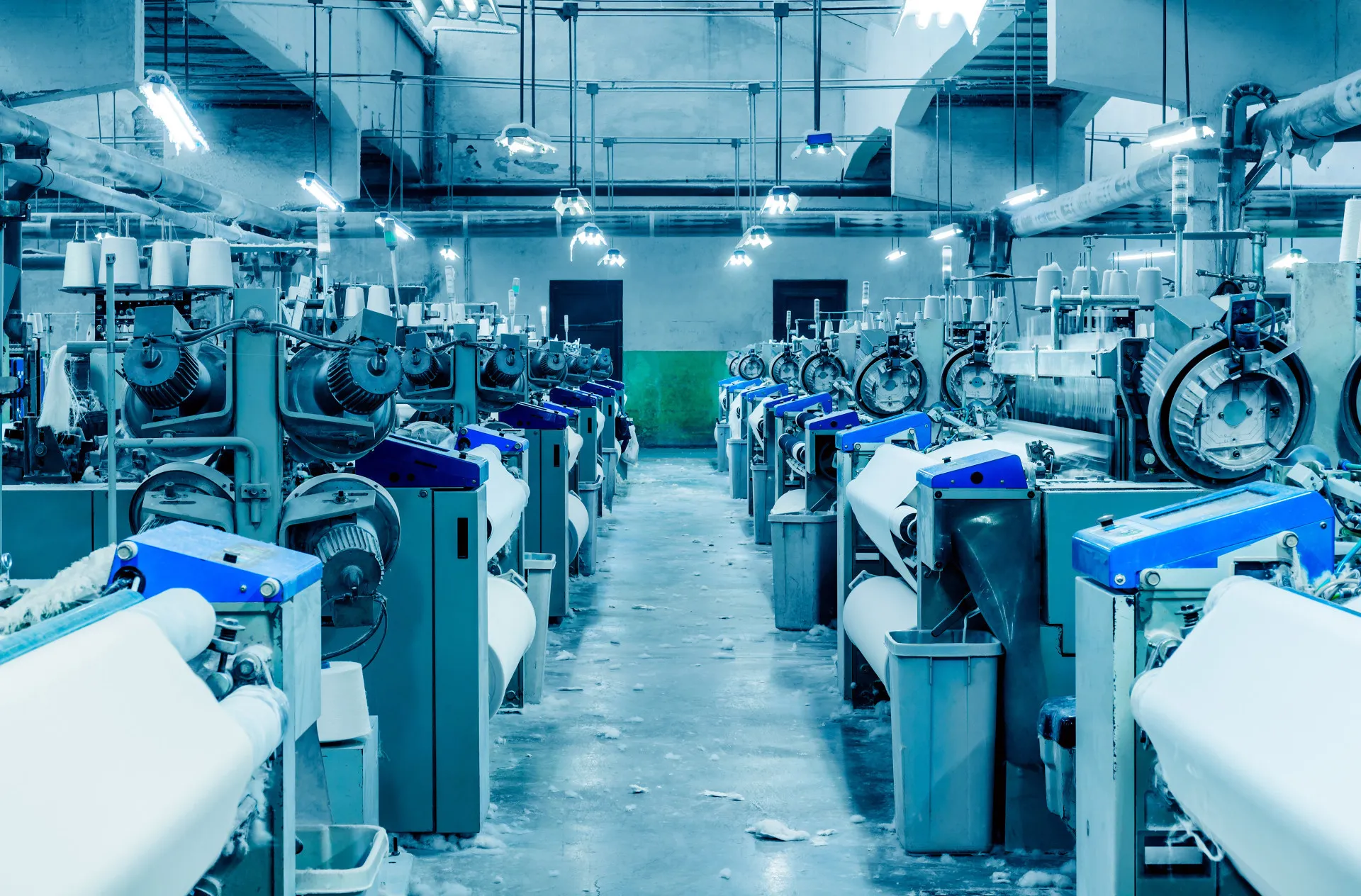

The Textile Manufacturing Industry is experiencing a major transformation as automation technologies continue to reshape production processes worldwide. From automated knitting machines and robotic material handling systems to artificial intelligence-driven quality control, manufacturers are increasingly adopting smart solutions to improve efficiency, reduce costs, and enhance product quality. As global competition intensifies, automation has become a critical factor for textile companies seeking sustainable growth and long-term success.
The Growing Importance of Automation in Textile Manufacturing
Automation refers to the use of advanced machinery, software, and digital technologies to perform tasks with minimal human intervention. In the modern Textile Manufacturing Industry, automation helps streamline operations, improve productivity, and eliminate inefficiencies that traditionally slowed down production.
Manufacturers face several challenges, including rising labor costs, increasing demand for customized products, and the need to meet strict quality standards. Automated systems help address these challenges by ensuring faster production cycles and greater operational accuracy.
Enhanced Production Speed and Output
One of the most significant benefits of automation is the ability to increase production speed. Automated textile machinery can operate continuously with high precision, reducing downtime and maximizing output.
Advanced knitting and weaving machines can produce large volumes of fabric in shorter periods compared to traditional methods. Automated production lines also allow manufacturers to meet tight delivery schedules without compromising quality.
For businesses in the Textile Manufacturing Industry, increased production efficiency translates directly into higher profitability and improved customer satisfaction.
Improved Product Quality and Consistency
Maintaining consistent quality is essential in textile production. Even minor defects can lead to customer complaints, product returns, and financial losses.
Automation improves quality control by using sensors, cameras, and artificial intelligence systems to monitor production in real time. These technologies can detect defects such as fabric irregularities, color inconsistencies, and stitching errors before products move to the next production stage.
As a result, textile manufacturers can significantly reduce waste while delivering high-quality products that meet international standards.
Reduced Labor Costs and Human Error
Manual textile production processes are often time-consuming and prone to errors. Automation minimizes the dependence on repetitive manual tasks, allowing workers to focus on higher-value activities such as machine supervision, maintenance, and process optimization.
Automated systems perform tasks with exceptional accuracy, reducing mistakes caused by fatigue or human oversight. This leads to lower operational costs and improved production reliability.
For companies operating in the highly competitive Textile Manufacturing Industry, reducing errors and labor expenses can create a significant competitive advantage.
Better Resource Management
Efficient resource utilization is a key objective for modern textile manufacturers. Automation helps optimize the use of raw materials, energy, and water throughout the production process.
Smart manufacturing systems collect and analyze production data, enabling managers to identify inefficiencies and make informed decisions. Automated cutting, dyeing, and finishing processes minimize material waste while ensuring optimal resource allocation.
This level of efficiency not only improves profitability but also supports environmental sustainability goals.
Supporting the Sustainable Textile Industry
Sustainability has become a major priority for manufacturers worldwide. The rise of the Sustainable Textile Industry is driving companies to adopt cleaner and more efficient production practices.
Automation contributes to sustainability by reducing waste, lowering energy consumption, and improving resource efficiency. Smart monitoring systems can track energy usage and identify opportunities for conservation. Automated dyeing technologies use less water and chemicals, helping manufacturers reduce their environmental impact.
By integrating automation into production processes, textile companies can align with global sustainability standards while maintaining high levels of productivity.
Real-Time Monitoring and Predictive Maintenance
Unexpected machine failures can disrupt production schedules and increase operational costs. Automation enables real-time monitoring of equipment performance through connected sensors and Industrial Internet of Things (IIoT) technologies.
Predictive maintenance systems analyze machine data to identify potential issues before they lead to breakdowns. This proactive approach reduces downtime, extends equipment lifespan, and lowers maintenance expenses.
For businesses in the Textile Manufacturing Industry, predictive maintenance helps ensure smooth and uninterrupted production operations.
Increased Flexibility and Customization
Consumer demand for personalized and customized textile products continues to grow. Automated manufacturing systems allow producers to quickly adjust production settings and accommodate changing customer requirements.
Digital production technologies enable rapid design modifications and smaller production runs without significant cost increases. This flexibility helps manufacturers respond to market trends more effectively while maintaining efficient operations.
As customer expectations evolve, automation provides the agility needed to stay competitive in the modern textile market.
The Future of Automated Textile Manufacturing
The future of the Textile Manufacturing Industry will be shaped by innovations such as artificial intelligence, machine learning, robotics, and smart factory technologies. These advancements will further improve production efficiency, quality control, and sustainability performance.
Manufacturers that invest in automation today will be better positioned to adapt to future industry demands and capitalize on emerging opportunities. Automation is no longer just an option—it is becoming a necessity for companies aiming to remain competitive in a rapidly changing global marketplace.
Conclusion
Automation is revolutionizing the Textile Manufacturing Industry by improving production speed, enhancing quality, reducing costs, and supporting sustainability initiatives. From smart machinery and AI-powered quality control to predictive maintenance and resource optimization, automated technologies are helping manufacturers achieve greater efficiency than ever before.
As the Sustainable Textile Industry continues to expand, automation will play an increasingly important role in creating environmentally responsible and economically viable production systems. Companies that embrace automation can improve operational performance, meet customer expectations, and secure long-term success in the evolving textile landscape.
Published by Knitting Industry – Delivering the latest insights, innovations, and trends shaping the global textile and apparel sector.




























Sign in to leave a comment.