

Putting is often described as a game within a game an area where precision, feel, and control converge to determine whether a round ends above or below expectations. For many golfers, improvements in putting do not necessarily come from dramatic swing adjustments. Instead, they stem from subtle refinements in technique and equipment, particularly in grip design. Among the various options available today, P2 Golf Putter Grips have drawn interest for their distinct approach to stability and alignment. Understanding what sets these grips apart provides valuable insight into why grip selection is one of the most overlooked contributors to putting consistency.
The Crucial Role of Grip Design in Putting
While clubheads often attract the most attention, the grip is a golfer’s primary connection to the club. A putter grip influences hand placement, wrist movement, pressure control, and the overall rhythm of a putting stroke. Even minor variations in grip size, shape, and texture can shift how a putter feels during impact.
Traditional putter grips generally aim to encourage a neutral hand position and minimize unwanted wrist action. However, advancements in design have pushed beyond simply offering comfort. Modern grips now incorporate structural elements that aim to guide the hands into more consistent orientations, stabilize the wrists, reduce twisting, and promote square impact angles. These refined grip characteristics contribute to repeatable performance, especially under pressure.
What Makes Grip Stability So Important?
Stability in the putting stroke doesn’t mean stiffness or rigidity. Instead, it refers to the ability to keep the hands from rotating excessively throughout the stroke. Excessive motion, especially in the lead wrist, often causes pulled or pushed putts. More stable grips encourage a pendulum-like action, limiting wrist breaks that can disrupt the face angle at impact.
Professional putting coaches routinely emphasize the importance of controlling the lead wrist. When the wrist maintains its angle, the putter face naturally returns to square. This mechanical consistency supports improved accuracy across short, mid-range, and lag putts. A strategic grip design helps achieve this without requiring constant mental reminders or conscious adjustments.
How Innovative Grips Influence Alignment
Alignment is another major factor that determines the success of a putt. Even golfers who read greens well can struggle when their setup causes the face to open or close inadvertently. Grips engineered to promote correct hand-placement geometry help reduce alignment inconsistencies. This is accomplished through shaping that encourages the hands to sit parallel to the target line.
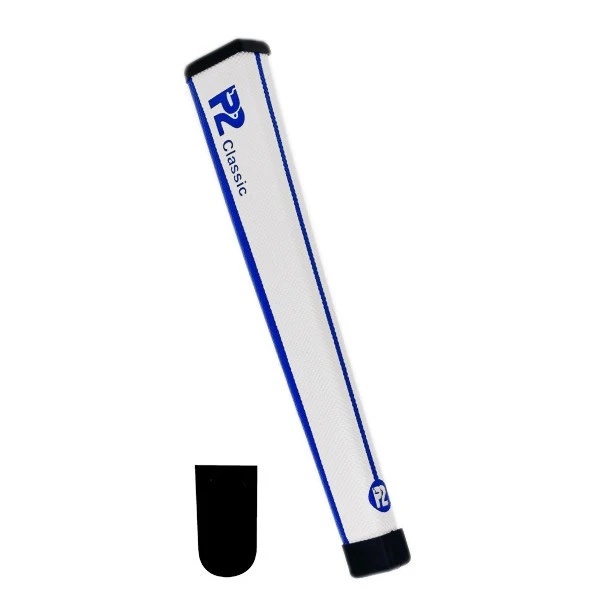
The unique structure of P2 Golf Putter Grips is often noted for influencing how players square the putter face at address. When a grip directs the hands into a more neutral position, it becomes easier to start the ball on the intended line. Combined with a stable stroke path, this creates an overall improvement in directional control.
The Connection Between Grip Size and Feel
Grip size plays a significant role in touch and distance control. Larger grips tend to reduce wrist action and can help steady the stroke, while slimmer grips enhance tactile feedback. Finding the right balance is highly personal, depending on a golfer’s stroke mechanics, hand size, and feel preference.
Golfers with overly active wrists often turn to mid-sized or oversized grips to gain stability. Meanwhile, golfers who rely significantly on feel might prefer a slightly slimmer profile that enhances sensitivity. The design philosophy behind modern grips is to offer stability without diminishing the golfer’s awareness of the putter’s head position.
Material Considerations
Grip materials influence comfort, durability, and traction. Softer materials increase comfort during long practice sessions, while firmer materials offer enhanced feedback. Textured surfaces provide additional control in humid or rainy conditions. When evaluating materials, golfers also consider how the grip holds up over time, especially with frequent play.
Contemporary grips often blend several materials to achieve a balance between softness and structural integrity. The aim is to create a grip that feels comfortable but does not lose its intended performance characteristics with prolonged use.
Putting Stroke Types and Grip Compatibility
Golfers generally fall into one of two putting stroke categories: straight-back-straight-through or arc stroke. While both can be effective with proper technique, certain grips can complement one style better than the other.
- Straight-back-straight-through players benefit from grips that enhance stability and keep the putter face square through impact.
- Arc-stroke players may prefer grips that allow controlled rotation without adding too much tension or rigidity.
Since P2 Golf Putter Grips aim to limit unnecessary wrist movement, many golfers with inconsistent strokes view them as useful tools. Golfers interested in reducing wrist deviation while maintaining a natural stroke may find innovative grips like these suitable for their technique.
The Psychological Dimension of Grip Confidence
Putting demands not only physical skill but also confidence and mental clarity. A grip that feels natural in the hands helps reduce tension a common factor that can compromise touch and accuracy. Confidence in equipment contributes to a more relaxed and focused mindset, which is crucial when facing pressure situations on the green.
When a golfer knows their grip supports stable mechanics, they can concentrate on distance, green reading, and pace control rather than second-guessing their setup. Confidence does not guarantee a made putt, but it significantly increases the likelihood of a smooth, controlled stroke.
How to Evaluate Whether a Putter Grip Is Helping
Golfers can assess grip effectiveness by observing changes in putt consistency. Key indicators include:
1. Improved Start Lines
If more putts begin on the intended line, the grip likely supports proper alignment.
2. Reduced Wrist Flicking
Video analysis can reveal whether the lead wrist remains stable through impact.
3. Better Lag Putting
Distance control improvements suggest enhanced feel and stroke rhythm.
4. Lower Overall Tension
A relaxed grip without slipping or twisting indicates good grip fit.
Testing on real greens rather than only on putting mats can provide more realistic feedback. Greens offer natural variations in slope and speed, making them better environments for assessing control and consistency.
When to Consider Replacing a Putter Grip
Over time, grips naturally wear down from exposure to oils, sweat, UV rays, and friction. Even high-quality grips eventually lose their texture and firmness. Signs that a grip needs replacement include:
- A shiny appearance from worn texture
- Reduced traction
- Soft or overly compressed spots
- Noticeable twisting during the stroke
Regular golfers often replace their grips annually, though this can vary based on usage frequency and care routines.
Understanding That No Grip Fixes Everything
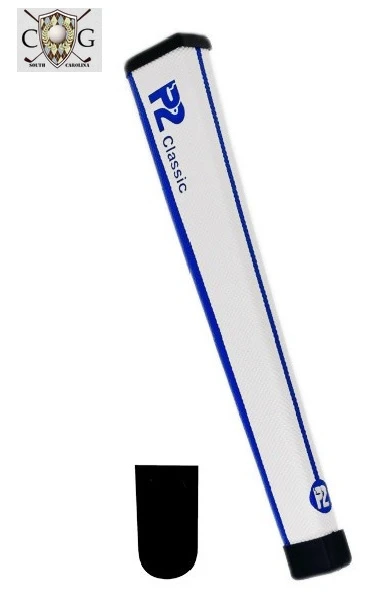
While innovative grips offer structural advantages, they are not magic solutions. Technique, practice, and confidence remain central to effective putting. A grip cannot correct an improper read or compensate fully for poor pace. However, it can eliminate mechanical inconsistencies caused by wrist breakdowns or misalignment, giving golfers a better foundation for improvement, as noted by Classic Golf of the Carolinas, especially when considering details like P2 Putter Grip Specs.

























Sign in to leave a comment.