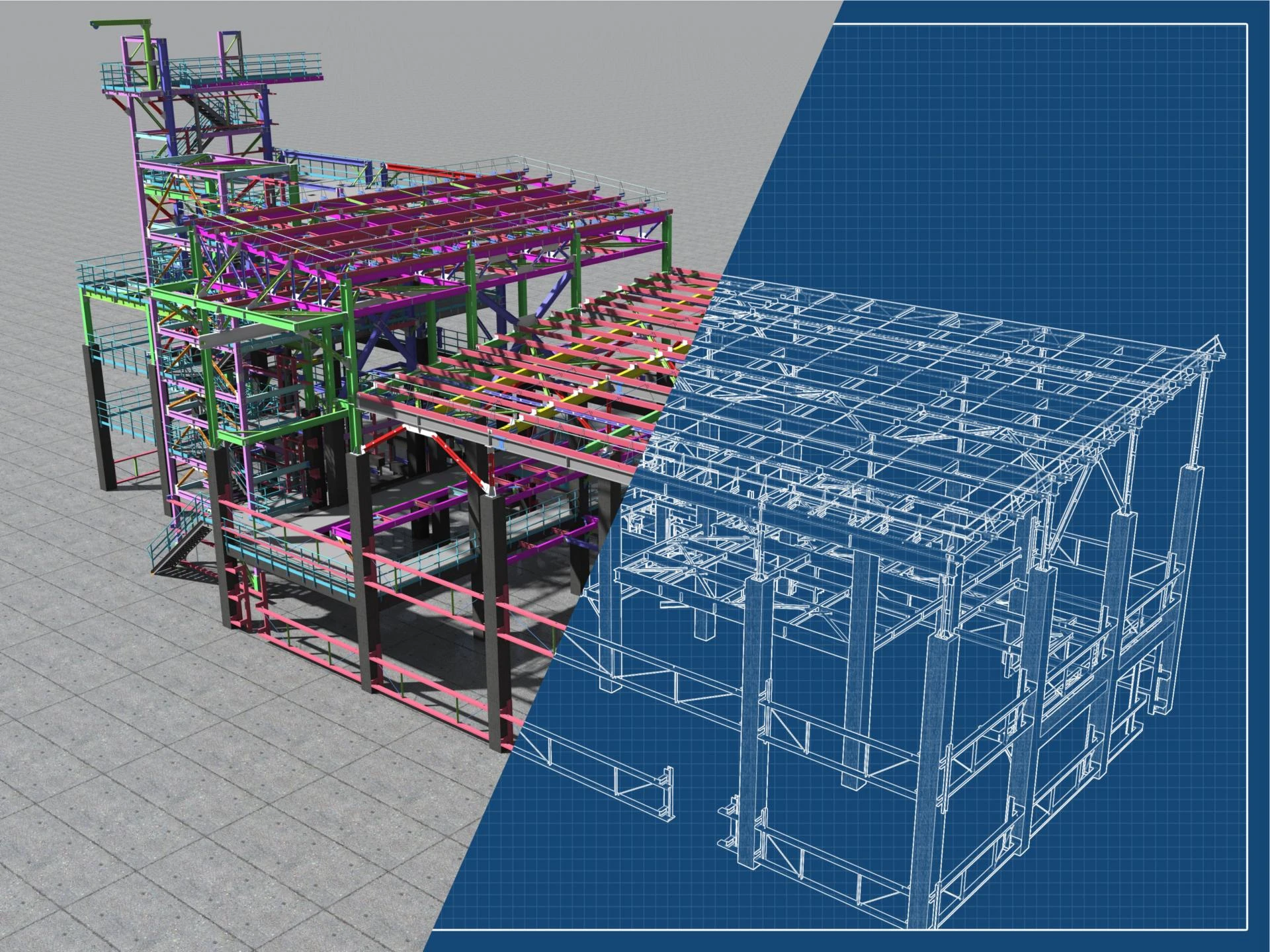

In the fast-paced and high-stakes construction environment of Dubai, BIM engineers play an indispensable role in ensuring project success, particularly in the realm of clash detection. Dubai’s skyline is dotted with some of the world’s tallest and most complex skyscrapers, making precise coordination of Mechanical, Electrical, and Plumbing (MEP) systems with structural and architectural elements critical. Mismanagement of spatial conflicts can lead to costly delays, budget overruns, and compromised safety. Through advanced Building Information Modeling (BIM) clash detection processes, BIM engineers mitigate these risks by identifying and resolving conflicts early in the design and construction phases, streamlining workflow efficiency, and safeguarding project quality.
Understanding Clash Detection and Its Importance in Dubai’s Skyscrapers
Clash detection is a proactive method used by BIM engineers to detect design conflicts within and among building systems before actual construction begins. These clashes include hard clashes where two components physically intersect and soft clashes where elements violate predefined clearance standards necessary for maintenance, installation access, or safety. Given the dense, vertical environments characteristic of Dubai’s supertall buildings, these spatial conflicts are not just common, but expected without deliberate management.
The importance of clash detection in Dubai is amplified by several factors:
- Dubai Municipality mandates BIM Level 2 for projects exceeding AED 50 million, requiring comprehensive clash detection.
- DEWA and Dubai Civil Defence enforce strict regulatory clearance standards for MEP installations and fire safety.
- Multidisciplinary teams spread across global locations necessitate transparent and real-time clash resolution workflows.
- Costly rework in Dubai’s high-rise projects can escalate costs by 15-30%, with time lost negatively impacting tight delivery schedules.
In skyscrapers rising above 400 meters, the integrated complexity increases manifold with over 20,000 interconnected MEP components. Systematic clash detection mitigates these coordination challenges, safeguarding functional integrity and enabling seamless vertical construction progress.
The Step-by-Step Clash Detection Process Employed by BIM Engineers
The clash detection workflow starts well before construction, with BIM engineers gathering and federating specialized models from architectural, structural, and MEP disciplines using software such as AutoDesk Revit. These models are then imported into Navisworks Manage where BIM engineers run automated clash detection simulations.
Key stages include:
- Model Federation and Alignment: Combining discipline-specific models to create a unified project model; aligning on coordinate systems to ensure spatial accuracy.
- Rule and Tolerance Definition: Establishing clash parameters including minimum clearance distances compliant with Dubai’s regulatory codes (e.g., 25mm vertical clearance for fire safety access).
- Automated Clash Scanning: Running exhaustive scans that identify clashes, producing detailed reports with points of conflict and visual references.
- Prioritization and Categorization: Triaging clashes by severity (critical, major, minor), type (hard or soft), and impact on project phases.
- Coordination Meetings: Facilitating multidisciplinary review sessions where project leads discuss and resolve clashes, often via cloud-based collaboration platforms.
- Iteration and Verification: Updating models with approved resolutions and re-running detection cycles until a clash-free model is achieved.
- As-Built Update and Handover: Maintaining accurate record models reflecting as-installed conditions, essential for facilities management post-construction.
Weekly review cycles are common in Dubai’s accelerated construction programs, ensuring that clash resolutions keep pace with construction activities.
Critical Tools and Technologies Supporting Clash Detection
BIM engineers in Dubai leverage a sophisticated tech ecosystem designed to maximize clash detection precision and collaboration:
- Autodesk Navisworks Manage: The industry-standard for federated clash detection, offering filtration, quantification, and issue tracking dashboards.
- Autodesk Revit: For native model creation, parameter adjustment, and integration with Navisworks and BIM 360.
- Solibri Model Checker: Validates compliance with building codes and quality standards by layering rule-based inspections with clash detection.
- Dynamo for Revit: Automates specific tasks like checking pipe diameters, riser clearances, or ventilation duct spacing.
- BIM 360 and Autodesk Construction Cloud: Cloud-based Common Data Environments (CDE) enable real-time model access and clash issue resolutions by dispersed teams.
- Augmented Reality (AR) and Virtual Reality (VR): AR glasses overlay clash points on physical site views, while VR immerses teams in coordinated models to gain spatial contextual understanding.
Additionally, emerging AI and machine learning tools analyze historical clash data to predict probable conflicts, significantly speeding up detection and resolution.
Unique Challenges Faced in Dubai Skyscraper Clash Detection
Dubai’s skyscraper projects present an extraordinary set of challenges that increase the scope and complexity of clash detection:
- High Vertical Density: Tower cores accommodate MEP systems, elevators, fire stairs, electrical risers, telecom conduits, and more, all confined in small areas.
- Extreme Environmental Conditions: HVAC and plumbing routing must accommodate desert heat, dust storms, and high humidity, often requiring specialized materials and redundancies that increase design complexity.
- Stringent Regulatory Compliance: Apart from Dubai Municipality norms, DEWA’s energy efficiency and Dubai Civil Defence fire safety regulations enforce clearance and system separation standards.
- Fast-Track Project Delivery: Many iconic skyscrapers adhere to aggressive timelines, with changes expected late due to evolving designs or client requests, demanding rapid clash detection iterations.
- Multicultural, Multidisciplinary Teams: Coordination across multiple international consultants and contractors can introduce communication challenges necessitating standardized BIM Execution Plans and Issue Logs.
BIM engineers mitigate these challenges with localized expertise, early clash detection protocols, frequent cross-discipline workshops, and integration of reality capture (laser scanning and drones) to validate design assumptions onsite.
Case Studies Illustrating Clash Detection Success in Dubai Skyscrapers
The Dubai Marina Cluster’s 80+ story towers stand as testaments to effective clash detection:
- Clash Volume Management: Over 1,200 initial clashes were identified across disciplines, including duct and beam intersections, electrical conduit conflicts, and sprinkler pipe clearance violations.
- Cost Savings: Proactive clash mitigation prevented AED 12 million in on-site rework, predominantly from prefabricated rerouting plans derived from clash detection reports.
- Schedule Adherence: Early resolution accelerated critical path activities, enabling handover 15 days ahead of schedule.
Similarly, Jumeirah Beach Residences employed weekly clash detection meetings facilitated by BIM engineers, which optimized pipe and cable tray placements, contributing to a LEED Gold rating by minimizing waste and optimizing energy systems.
Benefits of Rigorous Clash Detection for Stakeholders
For developers, clash detection by BIM engineers translates into substantial:
- Cost Efficiency: Reducing costly change orders and material waste.
- Time Savings: Avoiding construction delays and accelerating project turnover.
- Quality Assurance: Ensuring installations meet design intent and regulatory mandates.
- Safety Improvements: Minimizing onsite hazards due to last-minute design conflicts.
- Sustainability: Optimizing systems for energy efficiency, contributing to Dubai’s net-zero ambitions.
Contractors benefit from clearer work scopes, fewer surprises, and safer construction environments, while design teams gain immediate feedback loops for design improvement.
Emerging Trends in BIM Clash Detection for Dubai’s Future Skyscrapers
The future promises even smarter clash detection processes:
- Artificial Intelligence and Machine Learning: Automated prediction and resolution of clashes before modeling begins.
- Digital Twins: Live models that reflect real-time construction status and facilitate ongoing clash monitoring beyond handover.
- Generative Design: Algorithms that propose routing alternatives minimizing clashes.
- Blockchain: Immutable logs of clash resolution workflows enhancing accountability.
- Integration with Smart City Data: Coordinated infrastructural services reducing systemic conflicts in mega developments like Dubai Creek Harbour.
Dubai’s 2040 Urban Master Plan anticipates these innovations becoming standard, building on current BIM mandates and digital transformation initiatives led by Dubai Municipality.
Best Practices Recommended for BIM Engineers
To maximize clash detection effectiveness, BIM engineers in Dubai follow these best practices:
- Early and Frequent Model Federation: Integrate models at LOD 300 or above early in design.
- Clear Clash Tolerances: Define and communicate acceptable clearance parameters based on Dubai-specific standards.
- Multidisciplinary Coordination: Schedule regular project coordination meetings involving all stakeholders.
- Standardized Issue Tracking: Use cloud-based platforms for transparent clash issue resolution.
- Incorporate Reality Capture: Validate model accuracy with onsite laser scans and drone surveys.
- Continuous Training: Keep teams updated on evolving software, regulations, and emerging technologies.
Deploying these practices ensures clash detection is a value-adding process rather than a bottleneck.
Why Your BIM Partner is the Ideal Choice for Clash Detection in Dubai
Your BIM Partner offers unparalleled expertise with dedicated BIM engineers stationed both in Bengaluru and Dubai, providing scalable staffing, modeling, and coordination services tailored to Dubai’s AEC industry. Their proficiency with leading software and deep understanding of local regulations and project intricacies empower projects to achieve clash-free coordination, accelerating timelines and boosting sustainability metrics.
For your next skyscraper or mega development, partnering with Your BIM Partner ensures you harness the full potential of BIM clash detection to safeguard your vision and investment.



























Sign in to leave a comment.