

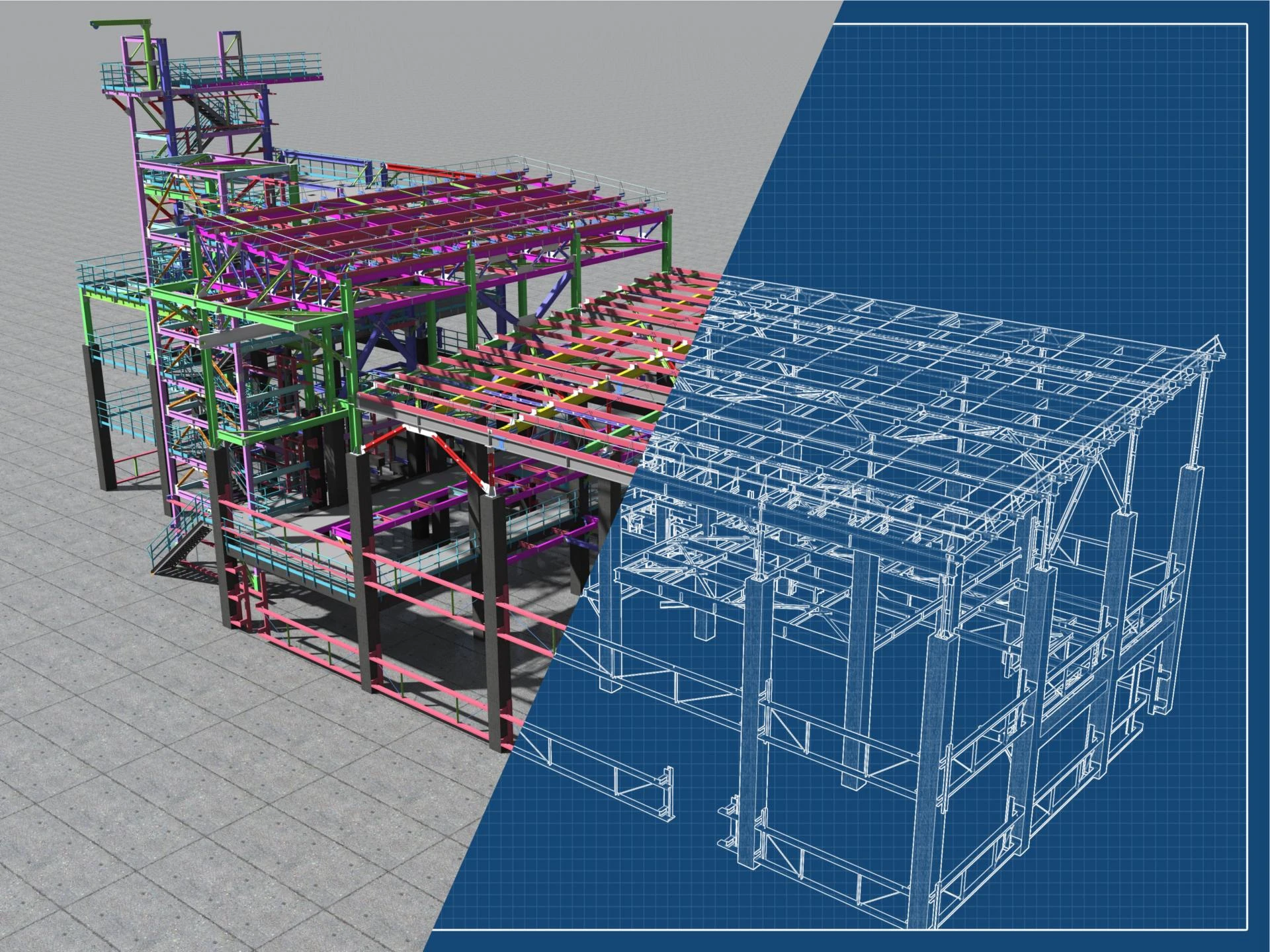
The construction industry is evolving rapidly, with modern technology playing a central role in project planning, design, and execution. One of the most significant advancements in recent years is Building Information Modeling (BIM). BIM has transformed the way buildings and infrastructure are designed, constructed, and maintained. At the heart of this transformation is the BIM Engineer, a professional responsible for creating, managing, and coordinating digital models of construction projects.
If you are a construction professional or a company looking to hire a BIM engineer, it is crucial to understand the essential skills that make a BIM engineer effective in today’s construction industry. In this blog, we will explore the top skills every BIM engineer must have and explain why partnering with experienced BIM service providers like Your BIM Partner can make a huge difference in project success.
1. Strong Knowledge of BIM Software
A BIM engineer must be proficient in various BIM software tools. These tools are the foundation of creating accurate 3D models, simulating construction processes, and coordinating among different teams. Some of the most common BIM software includes:
- Autodesk Revit – For 3D modeling, structural, and MEP design
- Navisworks – For clash detection and project coordination
- AutoCAD – For detailed 2D and 3D drafting
- Tekla Structures – For structural modeling
- Archicad – For architectural design
A skilled BIM engineer should be able to switch between different software tools seamlessly to meet project requirements. Companies like Your BIM Partner offer training and support for engineers to master these tools, ensuring accuracy and efficiency in every project.
2. Understanding of Construction and Engineering Principles
BIM is not just about creating 3D models. A BIM engineer must understand the core principles of construction and engineering, including structural design, mechanical, electrical, and plumbing (MEP) systems, and architectural planning. This knowledge allows engineers to create models that are practical and feasible in real-world construction scenarios.
For example, a structural element may look perfect in a 3D model, but if it cannot be built according to local construction standards or materials, it creates issues later. A BIM engineer bridges the gap between digital models and physical construction, ensuring smooth project execution.
3. Expertise in Clash Detection and Coordination
In complex construction projects, multiple systems such as structural beams, HVAC ducts, electrical conduits, and plumbing pipes share the same space. Without proper coordination, clashes can occur, leading to costly rework and delays.
A BIM engineer must be skilled in clash detection, using tools like Navisworks or Solibri, to identify conflicts between different building systems before construction begins. By resolving these issues digitally, BIM engineers save time, reduce costs, and improve overall project quality.
4. Strong Communication and Collaboration Skills
A BIM engineer works closely with architects, engineers, contractors, and clients. Strong communication skills are essential for explaining technical details, coordinating tasks, and resolving conflicts.
Moreover, BIM projects often use a collaborative platform, where team members share models and updates. A BIM engineer must be able to collaborate effectively, ensuring that all stakeholders have access to accurate information at all times. Professional BIM service providers like Your BIM Partner emphasize collaboration to deliver projects efficiently.
5. Knowledge of Construction Standards and Codes
Every country, including the UAE and Dubai, has strict construction regulations and building codes. A BIM engineer must be familiar with local and international standards, such as ISO, AIA, or UAE-specific codes.
This knowledge ensures that the digital model is compliant with regulations, reducing the risk of legal issues or redesigns. It also helps in creating constructible models that meet client expectations and authority approvals.
6. Data Management and Analytical Skills
BIM involves handling large amounts of data, including drawings, materials, schedules, and cost estimates. A BIM engineer must have excellent data management and analytical skills to organize this information effectively.
These skills are also crucial for generating reports, conducting simulations, and performing quantity take-offs. By analyzing project data, BIM engineers can provide valuable insights for decision-making, improving both efficiency and accuracy.
7. Problem-Solving and Critical Thinking
Construction projects are complex, and challenges can arise at any stage. BIM engineers must have strong problem-solving abilities to overcome issues quickly.
For example, if a design conflict is detected during clash detection, the engineer must evaluate multiple solutions and choose the most feasible one. Critical thinking allows the BIM engineer to anticipate problems and make informed decisions, ensuring the project stays on track.
8. Attention to Detail
In BIM, even a small mistake in the digital model can lead to significant issues during construction. A successful BIM engineer must have high attention to detail, ensuring that every component, measurement, and connection is accurate.
This meticulous approach reduces errors, improves construction quality, and enhances client satisfaction. Companies like Your BIM Partner are known for their attention to detail, delivering precise and reliable BIM solutions.
9. Time Management Skills
Large construction projects have strict deadlines. A BIM engineer must be able to prioritize tasks, manage time efficiently, and meet project milestones.
By effectively managing their workload, BIM engineers ensure that models are delivered on time, coordination issues are addressed promptly, and construction teams have the information they need when they need it.
10. Adaptability and Continuous Learning
The construction industry and BIM technology are constantly evolving. A BIM engineer must be adaptable and committed to continuous learning.
New software, updates, and best practices emerge regularly. A top BIM engineer stays up-to-date with the latest trends, tools, and methodologies to remain effective. Partnering with a company like Your BIM Partner provides engineers with access to training and cutting-edge resources, keeping their skills sharp.
Conclusion
The role of a BIM engineer is critical in today’s construction industry. From managing digital models and detecting clashes to coordinating teams and ensuring compliance, a BIM engineer adds immense value to any project.
To succeed, a BIM engineer must have a combination of technical expertise, construction knowledge, communication skills, and attention to detail. Companies that invest in skilled BIM engineers, or work with professional BIM service providers like Your BIM Partner, can ensure efficient project delivery, cost savings, and high-quality construction.
Whether you are a business owner, contractor, or aspiring BIM professional, understanding these top skills is essential for achieving success in the modern construction industry. With the right skills and professional support, BIM engineers can transform complex construction challenges into well-organized, successful projects.
























Sign in to leave a comment.