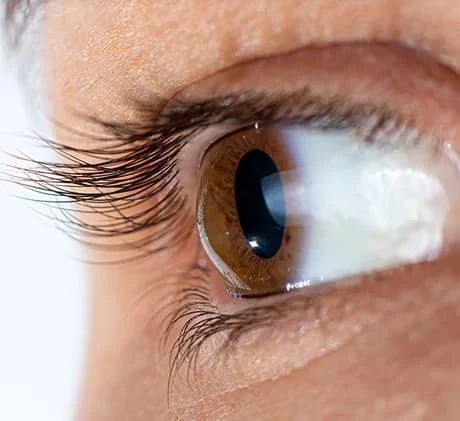

Keratoconus is a condition that affects the shape and strength of the cornea. The cornea is the clear front part of the eye that helps focus light onto the retina. When keratoconus develops, the cornea becomes thinner and gradually changes shape, forming a cone-like structure.
This change in shape can cause blurred vision, distortion, and difficulty focusing clearly. Over the years, doctors have developed several treatments to manage the condition. One newer option that eye specialists may discuss with patients is CAIRS treatment in London.
This procedure aims to improve the shape of the cornea and support clearer vision for people living with keratoconus.
Understanding Keratoconus
In a healthy eye, the cornea has a smooth, round shape. This allows light to pass through the eye and focus properly on the retina.
In keratoconus, the cornea weakens because the collagen fibres that support it lose strength. As the cornea becomes thinner, it begins to bulge outward.
This irregular shape causes light to focus unevenly on the retina, leading to distorted or blurred vision.
Patients who experience these changes often speak with an eye specialist about options such as CAIRS treatment in London and other modern keratoconus treatments.
What Is CAIRS Technology?
CAIRS stands for Corneal Allogenic Intrastromal Ring Segments. It is a treatment designed to improve the shape of the cornea by placing specially prepared ring segments inside the corneal tissue.
These ring segments are made from donor corneal tissue rather than synthetic material. The segments are carefully placed within the cornea to help reshape and support its structure.
Doctors who provide CAIRS treatment in London use this technique to help improve the corneal shape and reduce visual distortion caused by keratoconus.
The treatment is often considered when other vision correction methods are no longer providing sufficient improvement.
How the Procedure Works
Before performing CAIRS treatment in London, doctors conduct a detailed eye examination. These tests measure the thickness and curvature of the cornea and help determine the severity of keratoconus.
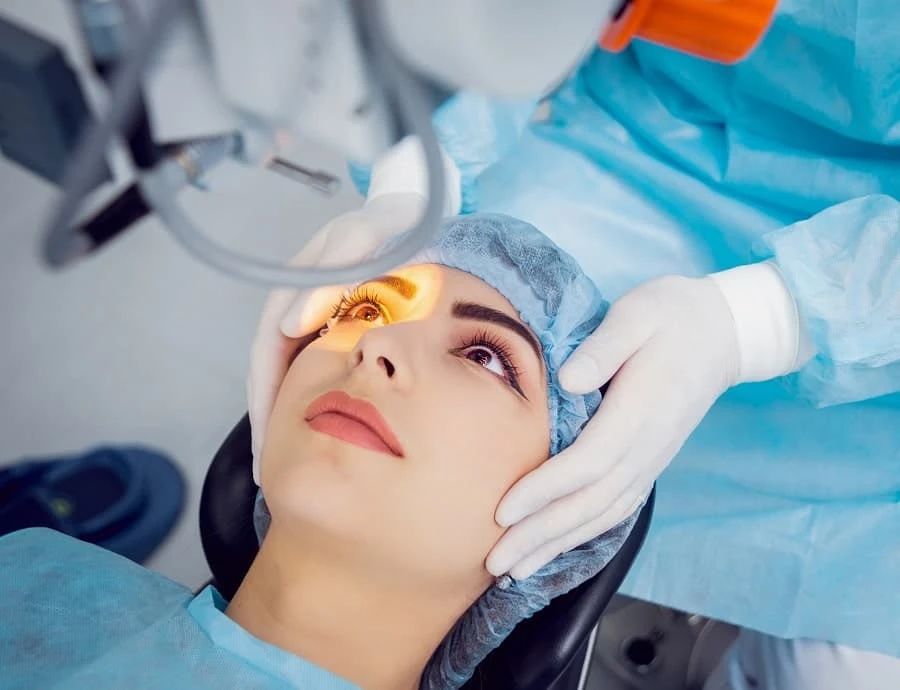
During the procedure, the surgeon creates a small channel within the cornea. The ring segments made from donor corneal tissue are then placed carefully into this channel.
Once positioned, the segments help support the corneal structure and improve its shape. This adjustment can allow light to focus more evenly on the retina.
The procedure is usually performed with local anaesthetic eye drops to keep the patient comfortable.
How CAIRS Differs from Traditional Ring Segments
In the past, some keratoconus treatments used synthetic ring implants to reshape the cornea. While these treatments can still be effective, CAIRS technology introduces a different approach.
Instead of using synthetic material, CAIRS treatment in London uses donor corneal tissue. Because the material is similar to the natural cornea, it may integrate more naturally with the eye.
This approach can provide structural support while maintaining the natural properties of corneal tissue.
Eye specialists discuss these differences with patients when reviewing treatment options.
Potential Benefits of CAIRS Technology
The goal of CAIRS treatment in London is to improve corneal shape and support clearer vision. By placing the ring segments inside the cornea, the treatment can help reduce irregular curvature caused by keratoconus.
Some patients notice improvement in visual clarity after the procedure. Others may find that their contact lenses fit more comfortably once the corneal shape becomes more stable.
Doctors emphasise that results can vary depending on the stage of keratoconus and the condition of the patient’s eyes.
Careful evaluation before surgery helps determine whether CAIRS may be suitable.
Recovery and Follow-Up Care
After CAIRS treatment in London, patients usually attend follow-up appointments so doctors can monitor healing and evaluate changes in vision.
The eye may feel sensitive for a short period after the procedure. Doctors often provide medicated eye drops to reduce inflammation and support recovery.
Vision may improve gradually as the cornea adapts to the implanted ring segments.
Patients are advised to follow their doctor’s recovery instructions and attend scheduled check-ups.
Role of CAIRS in Keratoconus Management
Keratoconus treatment often involves a combination of methods. Some patients may receive cross-linking to strengthen the cornea, while others may use specialised contact lenses to improve visual clarity.
CAIRS treatment in London can be considered as part of a broader treatment plan for certain patients with keratoconus.
The procedure focuses on improving corneal shape and may help delay the need for more complex surgical interventions.
Doctors evaluate each patient’s condition carefully before recommending this option.
Medical Research and Ongoing Development
CAIRS technology is part of the continuing progress in corneal treatment research. Ophthalmology studies are examining how donor tissue ring segments affect corneal stability and visual outcomes.
These investigations help doctors refine the procedure and improve patient care.
Clinics offering CAIRS treatment in London follow ongoing research developments to ensure patients receive treatments supported by medical evidence.
Continued research helps advance keratoconus management and improve treatment outcomes.
Importance of Early Diagnosis
Detecting keratoconus early can improve treatment outcomes. Eye specialists use corneal imaging systems to identify small changes in corneal shape before the condition becomes severe.
Early diagnosis allows doctors to discuss treatments such as cross-linking or CAIRS treatment in London before the cornea becomes significantly weakened.
Regular eye examinations play an important role in identifying keratoconus and monitoring its progression.
Final Thoughts
Keratoconus can affect the shape of the cornea and lead to blurred or distorted vision. Advances in medical technology have introduced several ways to manage this condition, including cross-linking procedures, specialised lenses, and corneal implants.
CAIRS treatment in London offers a method that uses donor corneal tissue to support and reshape the cornea. By improving the corneal structure, the treatment aims to enhance visual clarity and stability for suitable patients.
Through careful evaluation, modern imaging technology, and guidance from qualified eye specialists, individuals with keratoconus can explore treatment options that support long-term eye health and vision improvement.




























Sign in to leave a comment.