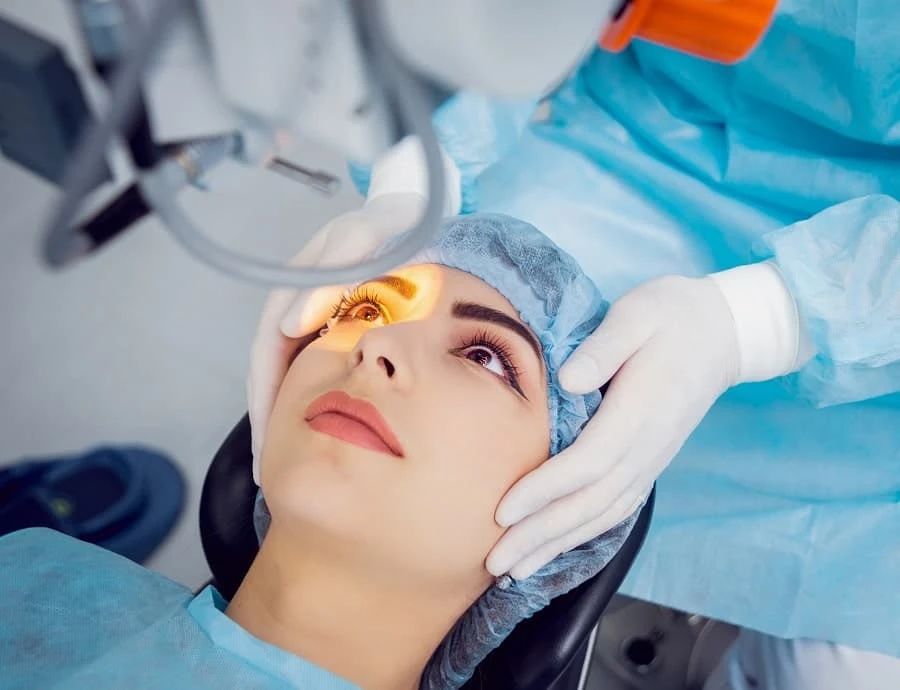

Vision correction surgery has helped many people reduce their reliance on glasses or contact lenses. Two well-known procedures used to treat refractive errors are LASIK and LASEK laser eye surgery. Although both treatments aim to improve how light focuses inside the eye, the techniques used in each procedure are slightly different.
Learning about these differences can help patients understand how the treatments work and which method may be suitable for their eyes. Doctors usually discuss both options during a consultation before recommending a specific procedure.
Understanding Vision Problems
Many vision problems occur because the shape of the eye prevents light from focusing correctly on the retina. The retina is the part of the eye that sends visual signals to the brain.
Procedures such as LASIK and LASEK laser eye surgery correct these issues by reshaping the cornea, which is the transparent front surface of the eye. Once the cornea has the correct shape, light can focus properly on the retina.
What Is LASEK Laser Eye Surgery?
LASEK laser eye surgery stands for Laser-Assisted Sub-Epithelial Keratectomy. This procedure works on the surface layer of the cornea.
During treatment, the surgeon gently loosens the thin outer layer of the cornea, known as the epithelium. This layer is moved aside so the laser can reshape the corneal tissue beneath it.
After the laser treatment is complete, the epithelium is placed back on the surface of the eye. A soft protective contact lens is usually applied to help the eye heal.
Because the procedure does not involve creating a deeper corneal flap, LASEK laser eye surgery is sometimes considered for patients with thinner corneas.
What Happens During LASIK
LASIK is another laser-based vision correction procedure. While the goal is the same, the surgical approach differs from LASEK laser eye surgery.
During LASIK, the surgeon creates a thin flap in the cornea using a specialised instrument or laser. This flap is lifted so the laser can reshape the underlying corneal tissue.
Once the laser treatment is complete, the flap is placed back in its original position. It usually settles naturally without the need for stitches.
Both LASIK and LASEK laser eye surgery reshape the cornea to correct vision, but the methods used to access the corneal tissue are different.
Differences in Recovery Time
One noticeable difference between the two procedures is the recovery process. After LASIK, many patients notice improved vision within a day or two.
Recovery after LASEK laser eye surgery can take slightly longer. Because the surface layer of the cornea needs time to heal, patients may experience blurred vision or mild irritation for a few days.
Doctors often provide medicated eye drops and recovery instructions to help the eye heal comfortably.
Although healing time varies from person to person, both procedures are considered safe when performed on suitable candidates.
Who May Be Suitable for Each Procedure
Doctors determine the most suitable treatment by examining the patient’s eyes carefully. Corneal thickness, prescription level, and overall eye health all influence the recommendation.
Patients with thicker corneas may be suitable candidates for LASIK. On the other hand, individuals with thinner corneas may be advised to consider LASEK laser eye surgery, as it works on the surface layer of the eye.
This careful evaluation helps ensure the chosen procedure matches the patient’s eye structure and medical needs.
Technology Used in Both Procedures
Both LASIK and LASEK laser eye surgery rely on advanced laser technology. Modern laser systems reshape the cornea with precise computer guidance.
Some clinics also use eye-tracking technology that follows small eye movements during the procedure. This helps maintain accuracy while the laser performs the treatment.
Medical research and technological improvements have helped both procedures achieve reliable outcomes for many patients.
Safety and Medical Research
Laser vision correction procedures have been studied in medical research for many years. Clinical studies have examined patient outcomes, safety measures, and long-term results.
Research published in ophthalmology journals shows that many patients experience significant vision improvement after procedures such as LASEK laser eye surgery or LASIK.
However, doctors emphasise that not every patient is suitable for laser treatment. A full eye examination is always required before surgery is recommended.
Importance of Professional Consultation
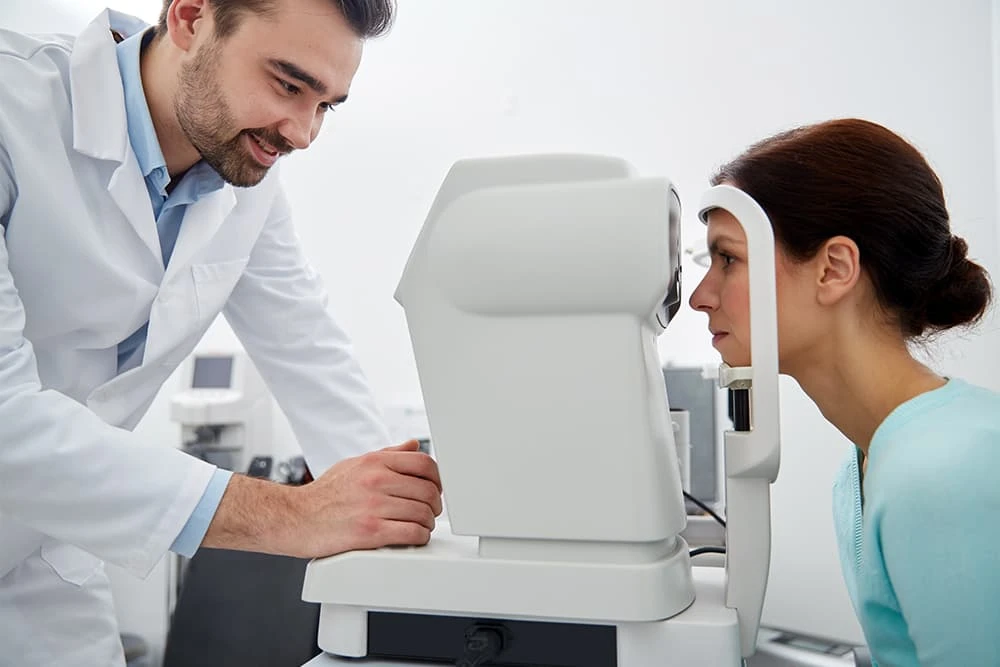
Anyone interested in vision correction should begin with a consultation with a qualified eye doctor. During this appointment, doctors perform several tests to examine the health and structure of the eyes.
These tests help determine whether LASIK or LASEK laser eye surgery is the more appropriate option.
Patients also have the chance to discuss recovery expectations, possible risks, and the results they hope to achieve.
This open discussion allows individuals to make informed decisions about their eye care.
Final Thoughts
Both LASIK and LASEK laser eye surgery are widely used procedures designed to correct refractive errors by reshaping the cornea. While their goals are similar, the techniques and recovery processes differ slightly.
Doctors recommend one method over the other based on corneal thickness, prescription stability, and overall eye health. Understanding these differences helps patients approach vision correction with greater awareness.
By consulting qualified eye specialists and learning about available treatment options, individuals can choose the approach that supports their long-term vision and eye health.

























Sign in to leave a comment.