

Building Lasting Strength Through Smart Mineral Science
When industries search for cost-effective materials that genuinely enhance product longevity, the role of industrial-grade calcium carbonate powder in everyday manufacturing becomes impossible to overlook. From rubber and plastics to coatings and construction composites, this powerful mineral filler works quietly behind the scenes, extending the usable life of finished products across virtually every sector.
What Makes It a Proven Durability Enhancer?
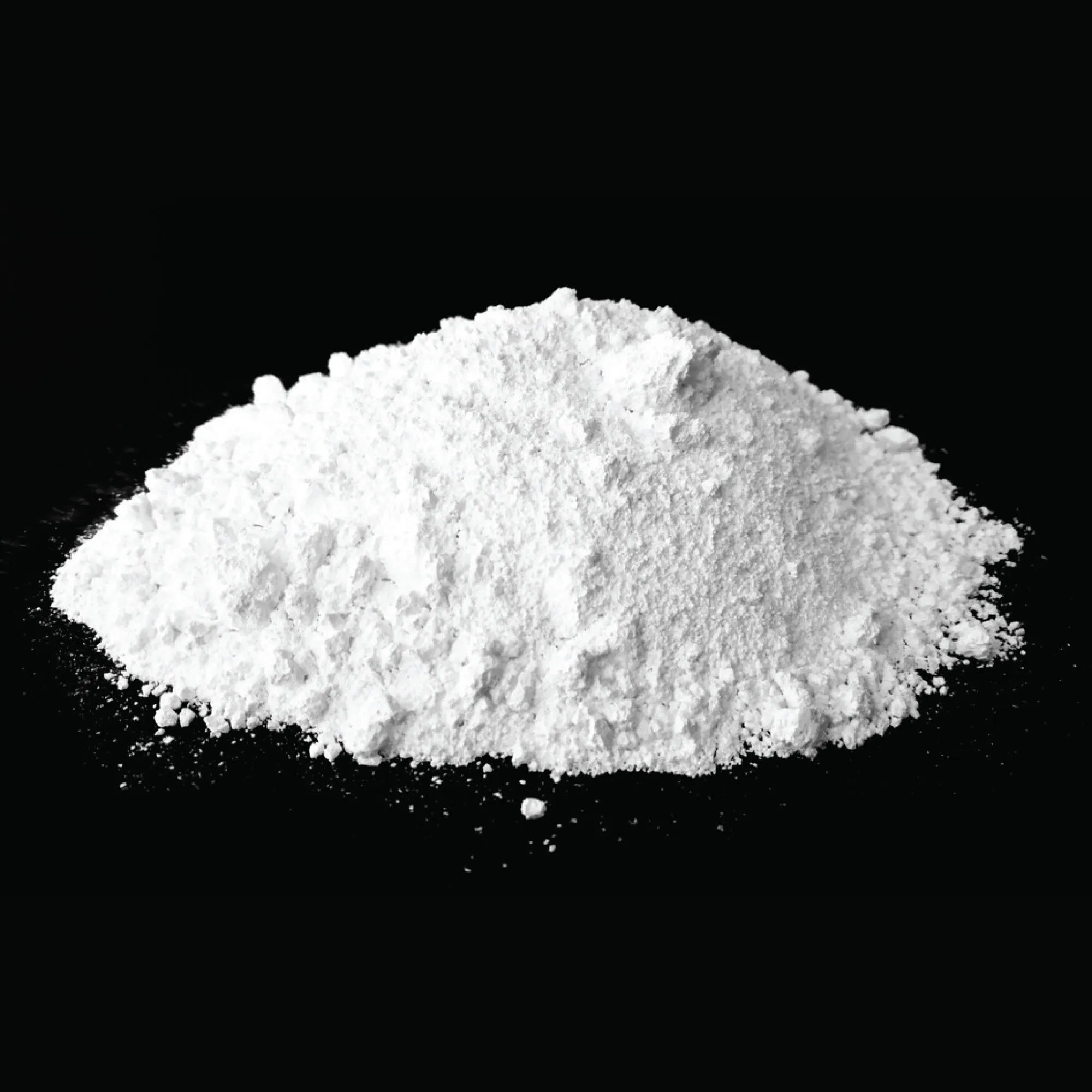
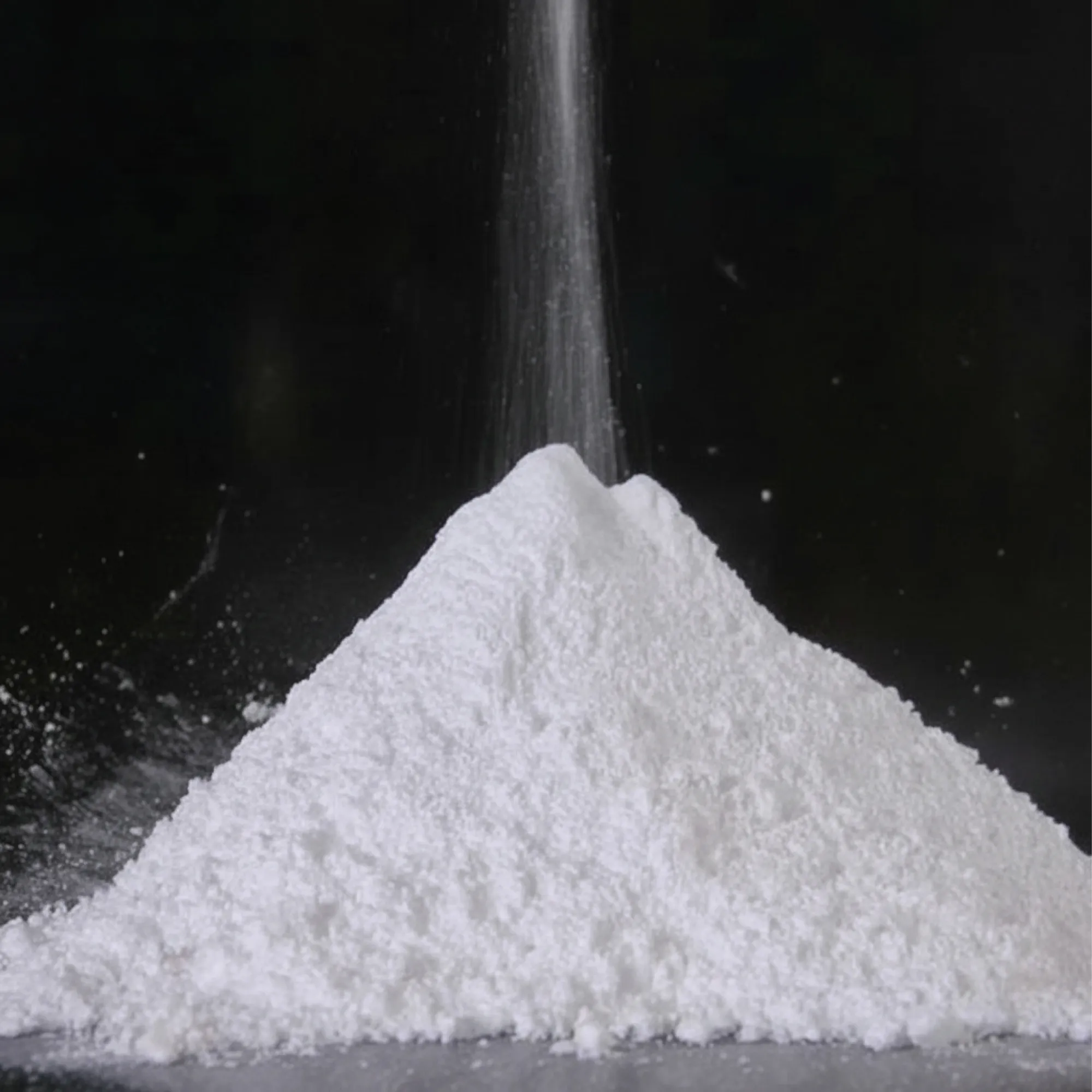
Calcium carbonate is a naturally occurring mineral that, when processed into a fine powder form, delivers remarkable functional benefits. Its integration into product formulations improves mechanical strength, dimensional stability, and resistance to environmental stress. The consistent particle structure helps bind materials more cohesively, reducing the likelihood of premature wear or structural breakdown over time.
Strengthening Plastics and Polymer-Based Products
In the plastics industry, manufacturers rely on precisely graded mineral fillers to improve rigidity and impact resistance. Products such as PVC pipes, plastic films, and injection-molded components become more resilient when CaCO₃ is incorporated during processing. It reduces shrinkage, improves surface finish, and adds dimensional uniformity — all of which directly extend product life.
Enhancing Rubber Compounds for Demanding Applications
In rubber compounding, CaCO₃ acts as both a reinforcing and extending filler. It improves tensile strength, tear resistance, and hardness — properties that are critical for rubber goods used in automotive, industrial, and construction applications. The outcome is a product capable of withstanding repeated mechanical stress over extended operational periods.
Boosting Paint and Coating Performance
Surface-treated mineral fillers are widely used in paints, coatings, and sealants. By improving pigment dispersion and film formation, they enhance a coating's ability to resist moisture, UV degradation, and mechanical abrasion. Surfaces retain their protective properties far longer than those formulated without functional fillers.
Construction Materials That Stand the Test of Time
In adhesives, caulks, and cement-based composites, CaCO₃ serves as both a filler and a performance modifier. It improves workability, compressive strength, and cohesion — enabling structures to endure sustained environmental and mechanical loads across decades of use.
Why Choose Sudarshan Group?
Sudarshan Group has built a strong reputation in the mineral filler industry through advanced processing technology and an unwavering commitment to quality. Our manufacturing facilities ensure consistent particle size, high whiteness, and low moisture content — parameters that directly determine end-product performance. We offer customized grades tailored to specific industrial needs, supported by rigorous quality testing at every stage of production. With a reliable supply chain and dedicated customer support, Sudarshan Group helps manufacturers maintain seamless production cycles and consistently superior output.
Conclusion
Across industries, the contribution of high-grade mineral fillers to long-term product durability remains both significant and proven. Whether enhancing mechanical performance in plastics, boosting weather resistance in coatings, or reinforcing rubber compounds, CaCO₃ continues to be one of the most cost-effective choices available. Sudarshan Group remains committed to delivering premium-grade mineral solutions that help manufacturers build products designed to truly last.
FAQs
1. How does using quality calcium carbonate powder benefit plastic product durability? In plastic manufacturing, adding well-graded calcium carbonate powder to polymer formulations enhances rigidity, impact resistance, and dimensional stability. These improvements directly reduce cracking, warping, and premature wear in finished plastic goods.
2. Can calcium carbonate powder be used in food and pharmaceutical products? Yes, food-grade and pharma-grade variants meet strict international purity standards. They are commonly used in calcium supplements, antacids, and as a certified food additive under global regulatory guidelines.
3. What is the difference between GCC and PCC grades? Ground Calcium Carbonate (GCC) is mechanically milled from natural limestone, while Precipitated Calcium Carbonate (PCC) is chemically synthesized for finer particle sizes and higher purity levels, each suited to specific industrial applications.
4. How does surface coating improve mineral filler performance in polymers? When stearic acid treatment is applied to processed calcium carbonate powder during manufacturing, it significantly improves compatibility with polymer matrices, enhances dispersion, and reduces agglomeration for better mechanical output.
5. Why is Sudarshan Group a preferred supplier for industrial mineral fillers? Manufacturers trust Sudarshan Group because our consistent calcium carbonate powder quality, customized grades, and reliable delivery timelines ensure that every production batch meets precise performance and compliance specifications.



























Sign in to leave a comment.