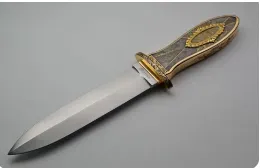

A great custom knife tells a story before it is ever used. Experienced collectors rarely judge a piece by appearance alone. They study construction quality, design balance, material selection, and finishing details. These elements reveal the maker's skill and commitment to the craft. While many knives may look impressive at first glance, only a select few display the level of workmanship that earns lasting respect among enthusiasts. Understanding what separates outstanding work from ordinary production helps collectors make informed decisions and build stronger collections. A well-made knife is not simply a cutting tool. It represents hours of planning, shaping, fitting, and finishing.
Beyond the Shine: What Does the Finish Reveal?
Many people focus on polish, but experienced enthusiasts look deeper. Surface finishing can reveal a maker's attention to detail. Every transition between steel, handle scales, and hardware should appear smooth and intentional. A high-quality finish is not only about creating a bright surface. It is about achieving consistency across the entire piece. Marks left by sanding, uneven edges, or rough spots can suggest a lack of care during production.
Even areas that remain hidden during normal use should show careful finishing. This level of consistency reflects pride in workmanship rather than a focus on appearance alone. Collectors often inspect the spine, choil, and other small areas because these locations reveal how much effort went into the final result. A maker who pays attention to the smallest details usually applies the same care to every other part of the knife.
The Silent Test of Balance and Handling
A knife can look beautiful yet feel awkward in the hand. Balance plays a major role in evaluating quality. The relationship between blade weight and handle shape affects comfort, control, and usability. A properly balanced piece feels natural from the moment it is picked up.
Exceptional makers pay close attention to how a piece feels during use. The grip should feel natural without creating pressure points. Weight distribution should support smooth movement rather than causing fatigue. Collectors often recognize superior work within seconds of handling a well-made piece because comfort becomes immediately noticeable. Good balance is rarely visible in photographs, yet it remains one of the most important qualities that separates outstanding craftsmanship from average work.
Reading the Story Hidden in the Grind
The blade grind is one of the clearest signs of technical skill. Symmetrical geometry, consistent bevels, and smooth transitions demonstrate experience and discipline. Achieving a clean grind requires patience and control throughout the manufacturing process.
A properly executed grind contributes to cutting performance while also improving visual appeal. Collectors often inspect the blade from multiple angles to evaluate alignment and consistency. Minor flaws become easy to spot under close examination. Superior workmanship remains evident through clean execution and thoughtful design choices. The grind often serves as a signature of the maker's abilities because it combines both engineering and craftsmanship.
Material Choices That Speak for Themselves
Exceptional craftsmanship is not defined by expensive materials alone. The way those materials are selected and combined often matters more. Steel, handle components, pins, liners, and fittings should work together as a complete system that supports performance and durability.
Skilled makers choose materials that complement both function and appearance. The goal is not excess decoration. Instead, every element should serve a purpose while contributing to the overall design. This thoughtful approach often separates collector-grade pieces from ordinary alternatives. Quality materials combined with proper workmanship help ensure long-term reliability and value.
Tiny Details, Big Difference
Many signs of quality appear in places that casual buyers rarely inspect. Areas around the spine, inside locking mechanisms, around pivots, and near fittings often reveal the true level of craftsmanship. These details may seem small, but they often provide the clearest evidence of a maker's skill.
Collectors frequently examine these locations because they show how much care went into the building process. Clean internal work, smooth operation, and consistent finishing indicate strong technical ability. These details may not attract immediate attention, yet they often determine long-term collector value. A knife that performs smoothly while maintaining tight tolerances reflects a high standard of craftsmanship.
Does the Design Have Its Own Identity?
Technical skill alone does not create a memorable knife. Strong design identity is equally important. The most respected makers develop recognizable characteristics that make their work stand apart from others in the field.
This individuality may appear through blade profiles, handle contours, decorative elements, or construction methods. Collectors appreciate originality because it reflects creative thinking rather than imitation. A distinctive style often becomes one of the most valuable aspects of a maker's work. Over time, these recognizable features help establish a lasting reputation among enthusiasts and collectors.
Craftsmanship That Holds Up Over Time
True quality remains visible years after a knife leaves the workshop. Consistent fit, reliable function, and durable construction help preserve both performance and collector interest. A knife should continue operating smoothly long after it is made.
Many enthusiasts evaluate older pieces to understand how well a maker's work ages. Knives that continue operating smoothly after years of ownership often gain greater respect within collecting circles. Longevity serves as one of the strongest indicators of excellent craftsmanship. Time has a way of revealing the strengths of good design and solid construction.
Sum Up:
Exceptional craftsmanship goes far beyond appearance. It combines balance, technical skill, thoughtful material selection, finishing quality, and design identity. Collectors who understand these factors can better recognize truly outstanding work and make more informed choices. For enthusiasts exploring custom knives for sale, paying attention to these details can make the difference between owning a simple cutting tool and acquiring a lasting piece of craftsmanship. A carefully made knife reflects dedication, experience, and attention to detail. Those qualities continue to attract collectors who value both function and artistry.

























Sign in to leave a comment.