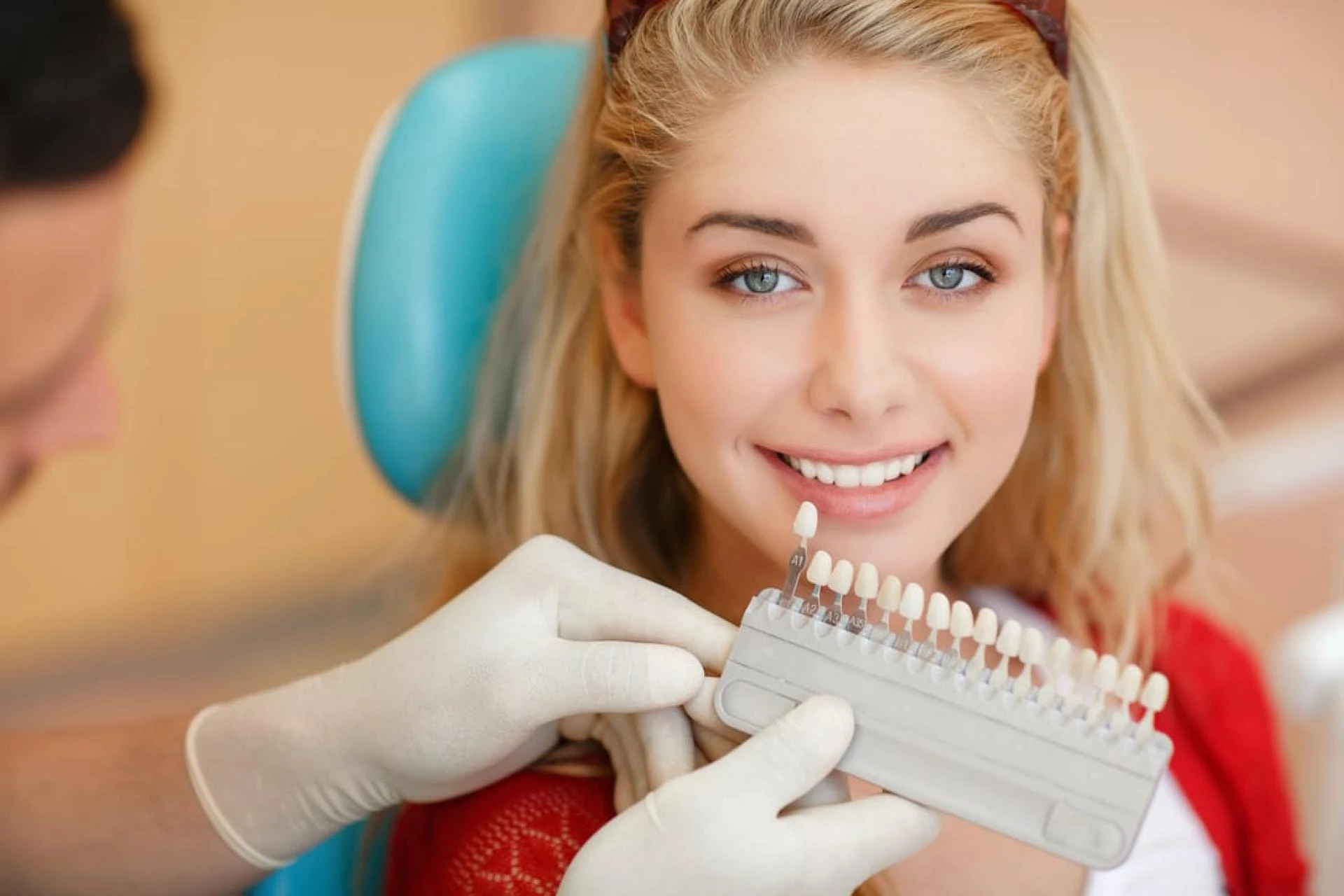

Uneven or chipped teeth can affect appearance, confidence, and oral function. Minor chips may seem purely cosmetic, while severe unevenness can lead to bite issues or accelerated wear. Modern dentistry offers treatments designed to correct these imperfections efficiently. Searching for “cosmetic dentistry near me” connects patients with professional options tailored to individual needs. Corrective procedures focus on restoring teeth shape, strength, and aesthetics simultaneously. Addressing problems early not only improves appearance but prevents further damage, providing long-term protection. This guide explores effective dental solutions for uneven and chipped teeth.
Uneven and Chipped Teeth
Teeth become uneven or chipped due to several factors, including trauma, teeth grinding, aging, decay, and genetic predisposition. Minor chips may not impact function, but severe damage can alter chewing ability and lead to pain. Uneven teeth can cause difficulty cleaning certain areas, increasing the risk of cavities and gum issues. Evaluating severity requires professional assessment, as each case is unique. Dentists examine teeth alignment, bite, and enamel condition to determine the best corrective option. Early diagnosis ensures treatment is effective, preserving both oral health and smile aesthetics over time.
Common Dental Solutions for Uneven Teeth
- Dental Bonding – A tooth-colored resin is applied to correct shape and smooth edges. Quick and minimally invasive, bonding improves aesthetics without extensive preparation.
- Veneers – Thin porcelain shells cover teeth to create uniform color and shape. Ideal for significant cosmetic correction, veneers provide long-lasting results.
- Crowns – Encapsulate damaged teeth to restore structure, function, and appearance. Crowns are suitable for weakened or fractured teeth needing protection.
- Orthodontic Treatments – Braces or clear aligners realign teeth gradually. These options improve bite, function, and overall dental symmetry.
- Contouring and Reshaping – Small enamel adjustments refine tooth edges and balance the smile. Suitable for minor unevenness without extensive procedures.
Fixing Chipped Teeth Specifically
Chipped teeth require solutions that address the extent of damage. Dental bonding is effective for minor chips, restoring shape and smoothing edges in a single visit. Porcelain veneers repair more severe chips while improving overall tooth appearance, covering discoloration and structural irregularities. Crowns protect severely fractured teeth, ensuring long-term strength and bite stability. Treatment choice depends on the tooth’s condition, location, and patient preferences. A dental professional assesses the situation carefully to determine the most suitable approach, providing functional restoration while maintaining a natural-looking smile.
Benefits of Corrective Dentistry
Correcting uneven or chipped teeth offers more than visual improvement. Restored teeth improve oral function by supporting proper bite alignment, enhancing chewing efficiency, and reducing strain on surrounding teeth. Treatments protect teeth from further damage, wear, or decay, promoting long-term oral health. Aesthetic improvements increase self-confidence, encouraging social interaction and professional presence. Patients gain satisfaction from a healthier, balanced smile that functions efficiently. These advantages make corrective dentistry an important investment, combining cosmetic enhancement with practical oral care to maintain healthy, strong teeth for years to come.
Aftercare and Maintenance
Proper aftercare maximizes the lifespan of dental treatments. Regular checkups allow dentists to monitor restorations, perform adjustments, and prevent new issues. Daily oral hygiene, including brushing and flossing, protects enamel and gums surrounding treated teeth. Avoiding harmful habits such as nail-biting, chewing hard objects, or using teeth as tools prevents damage to restorations. Occasional professional cleaning and polishing keep veneers, crowns, or bonding smooth and natural-looking. Following dentist instructions ensures optimal results, preserves function, and maintains aesthetic benefits, supporting both smile confidence and long-term oral health.
Lifestyle Considerations Post-Treatment
Patients should consider lifestyle habits that affect dental longevity. Limiting sugary foods and acidic beverages prevents enamel erosion and protects restorations. Wearing mouthguards during sports or teeth grinding reduces the risk of new chips or fractures. Staying hydrated promotes saliva production, which naturally protects teeth. Regular monitoring of habits ensures long-term maintenance of dental work. Adjusting routines to protect teeth supports both oral function and aesthetics, helping treated teeth remain strong, attractive, and durable. Combining professional care with healthy habits ensures a lasting, confident smile.
When to See a Dentist
Professional evaluation is essential for persistent sensitivity, visible cracks, or large chips. Misaligned or uneven teeth affecting bite, chewing, or jaw comfort require dental attention. Seeking treatment for aesthetic concerns is also valid, as early correction prevents worsening imperfections. Patients should consult a dentist when noticing sudden changes in tooth structure or pain. Timely intervention preserves tooth integrity and prevents further complications. Recognizing these signs ensures corrective measures maintain both function and appearance, providing confidence alongside oral health benefits.
Technological Advances in Corrective Dentistry
Modern dentistry incorporates advanced materials and techniques for efficient treatment. Tooth-colored bonding resins mimic natural enamel, while porcelain veneers resist staining and maintain shape. Digital imaging and 3D scanning allow precise planning for orthodontics, crowns, and veneers. Laser-assisted reshaping and contouring provide minimally invasive options with faster recovery. These innovations enhance accuracy, comfort, and long-term outcomes. Patients benefit from treatments tailored to their unique dental structure, achieving superior aesthetics, functional improvements, and increased satisfaction with both minor and complex corrections.
Cost and Accessibility of Treatments
The cost of correcting uneven or chipped teeth depends on procedure type, materials, and treatment complexity. Dental bonding is generally affordable, while veneers or crowns require higher investment. Orthodontic treatments vary depending on the duration and appliance choice. Searching for “cosmetic dentistry near me” helps patients compare local clinics, pricing, and financing options. Many dentists offer payment plans or insurance coverage guidance. Understanding the costs alongside long-term benefits ensures patients make informed decisions, balancing aesthetics, function, and oral health without compromising quality.
Conclusion
Dentistry offers multiple solutions for uneven or chipped teeth, including bonding, veneers, crowns, orthodontics, and reshaping. Each treatment is selected based on damage severity, patient goals, and oral health requirements. Corrective procedures restore function, prevent further damage, and enhance appearance, building confidence and long-term dental stability. Professional consultation ensures personalized treatment plans that combine aesthetics with practical benefits. Proactive care preserves teeth structure, promotes healthy habits, and provides a natural, attractive smile. Modern dentistry enables lasting improvement for both minor and severe dental imperfections.
FAQs
- What is the fastest way to fix chipped teeth?
Dental bonding is a quick, minimally invasive option for minor chips, often completed in one dental visit. - Can veneers fix both uneven and chipped teeth?
Porcelain veneers improve shape, color, and minor structural imperfections, covering both unevenness and chips effectively. - How long do dental crowns last on damaged teeth?
Crowns typically last 10–15 years with proper care, protecting weakened or fractured teeth from further damage. - Are orthodontic treatments effective for minor uneven teeth?
Braces or clear aligners gradually correct misalignment, improving bite, appearance, and overall oral health. - What habits should be avoided after corrective dental procedures?
Avoid nail-biting, chewing hard objects, and teeth grinding to maintain restorations and prevent damage.


























Sign in to leave a comment.