

In the world of construction, one of the most common and costly challenges contractors face is budget overruns. Electrical systems—often among the most complex and expensive project components—are particularly vulnerable to estimation errors. Inaccurate labor costs, miscalculated material quantities, or overlooked design details can derail project budgets, delay timelines, and hurt profitability.

To overcome these challenges, contractors are increasingly relying on electrical estimation services. These services use advanced tools, expert knowledge, and real-time data to deliver precise, actionable cost estimates that help prevent overruns, reduce risks, and ensure every project stays on track from start to finish.
1. Why Cost Overruns Happen in Electrical Projects
Cost overruns in electrical projects usually stem from a few recurring issues:
- Inaccurate material takeoffs leading to unexpected procurement costs.
- Outdated pricing data that fails to reflect current market fluctuations.
- Underestimated labor hours due to project complexity or scope changes.
- Poor communication between design, procurement, and execution teams.
- Last-minute design changes that disrupt schedules and budgets.
Electrical estimation services tackle these issues at their root by ensuring that every variable—materials, labor, equipment, and overhead—is analyzed and accounted for before the project begins.
2. What Electrical Estimation Services Offer
Electrical estimation services provide data-driven, highly detailed project estimates that serve as the financial blueprint for the job. This includes:
- Accurate material takeoffs using digital blueprints and BIM models.
- Labor cost projections based on realistic productivity benchmarks.
- Vendor pricing comparisons to identify cost-effective sourcing.
- Overhead and contingency calculations to safeguard against unforeseen expenses.
- Compliance verification with NEC codes and local building standards.
By combining technology with expertise, these services create estimates that are both precise and practical, giving contractors confidence in their budgets.
3. Preventing Budget Errors Through Data Accuracy
Manual estimating methods leave plenty of room for human error. Even small miscalculations in conduit lengths or breaker counts can lead to significant financial consequences.
Electrical estimating services use digital takeoff software and AI-driven analysis to:
- Extract exact material quantities from design drawings.
- Apply up-to-date unit pricing for materials and labor.
- Generate instant revisions when project designs change.
This level of precision not only improves budget reliability but also ensures that estimates evolve with the project—keeping contractors one step ahead of potential cost shifts.
4. Reducing Rework and Change Orders
Change orders and rework are two of the biggest profit-killers in construction. They often occur when project estimates fail to reflect the true scope or technical complexity of the job.
Electrical estimation services minimize these risks by:
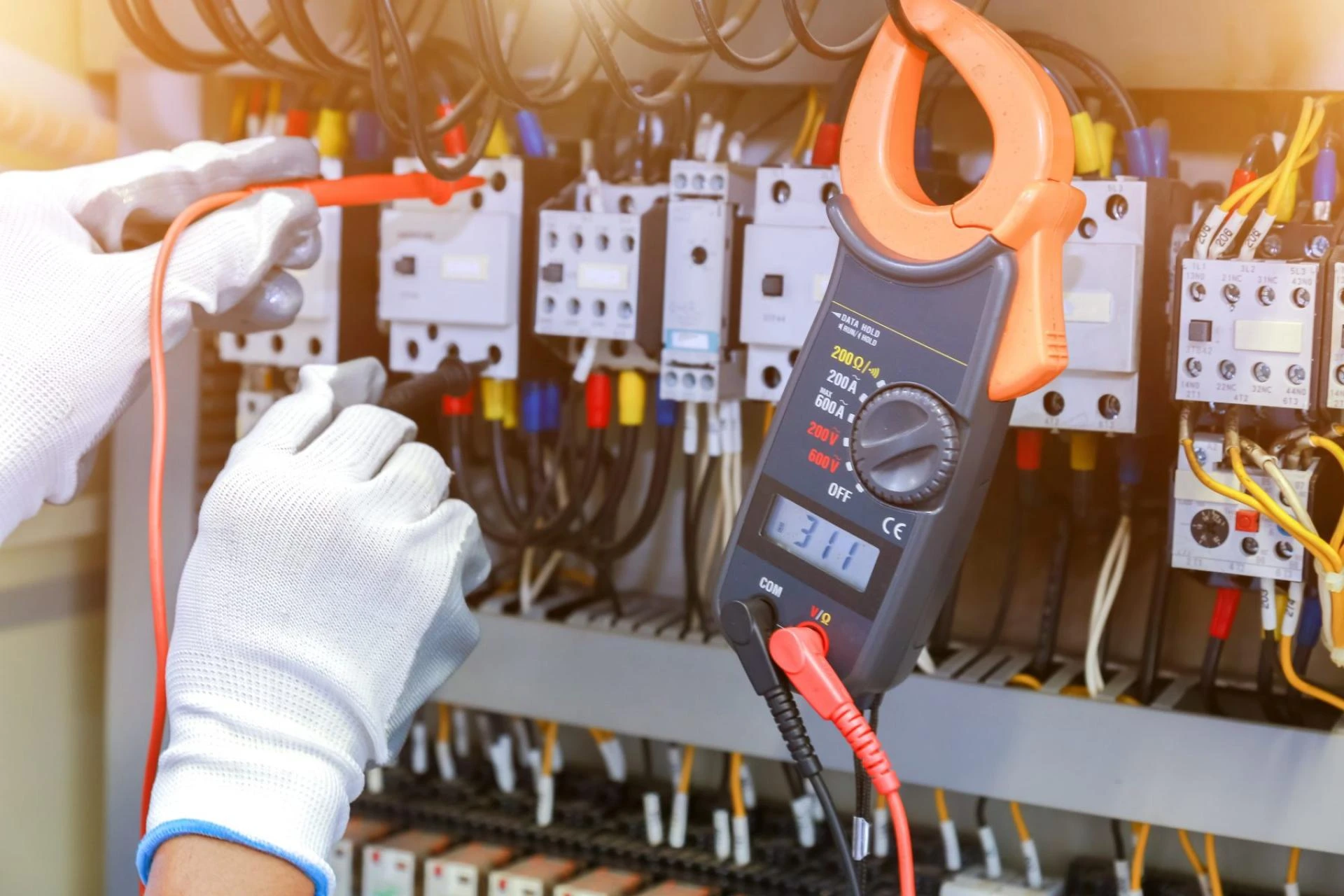
- Validating all load calculations and circuit layouts before bidding.
- Ensuring all materials and labor are properly allocated in the estimate.
- Detecting design inconsistencies or omissions during preconstruction.
By identifying issues before construction begins, estimators help contractors avoid mid-project surprises, leading to smoother execution and satisfied clients.
5.Forecasting for Cost Control and Profitability
Accurate forecasting is essential for long-term financial health. Professional electrical estimators provide realistic budget forecasts that account for:
- Material price volatility (especially for copper, wire, and panels).
- Seasonal labor availability and rates.
- Equipment rental timelines and depreciation.
- Vendor discounts and bulk purchase opportunities.
These forecasts help contractors anticipate costs early, plan cash flow efficiently, and protect profit margins throughout the project lifecycle.
6. Leveraging Technology for Real-Time Adjustments
Modern estimating firms use cloud-based platforms that allow contractors to access and adjust estimates from anywhere. This flexibility ensures that as market prices fluctuate or project conditions evolve, budgets can be updated in real time.
Key technologies include:
- BIM (Building Information Modeling): for visual coordination and clash detection.
- Cloud-based databases: for instant price and labor updates.
- AI-driven estimation tools: for predictive cost modeling.
This integration of technology streamlines workflows and helps project managers make faster, data-informed decisions—keeping deadlines and budgets aligned.
8. Long-Term Benefits for Contractors
Outsourcing electrical estimating provides more than just immediate project savings—it strengthens a contractor’s long-term business operations. Key benefits include:
- Higher bid win rates from accurate, competitive proposals.
- Reduced overhead compared to maintaining full-time estimators.
- Improved client confidence due to transparent, data-backed budgets.
- Enhanced scalability for handling more bids without sacrificing quality.
Contractors who integrate estimation services into their workflow often see consistent improvement in profitability, efficiency, and reputation.
Conclusion
In a construction environment defined by tight budgets and deadlines, electrical estimation services are no longer a luxury—they’re a necessity. By combining advanced software, market data, and expert analysis, these services help contractors prevent cost overruns, eliminate budget errors, and maintain profitability across projects of all sizes.
From accurate forecasting to real-time adjustments, professional estimating transforms uncertainty into confidence. For contractors aiming to grow, compete, and deliver projects on time and on budget, electrical estimation services are the foundation of financial control and long-term success.
FAQs
1. How do electrical estimation services stay updated with market prices?
Estimators use real-time supplier databases and manufacturer APIs to reflect the latest material costs and labor rates.
2. Are these services beneficial for small contractors too?
Absolutely. Small and mid-sized firms can save time, cut overhead, and compete effectively by outsourcing their estimating needs.
3. Do estimation services include code compliance checks?
Yes. Professional estimators ensure full compliance with NEC standards and local building codes, preventing costly revisions or inspection failures.




























Sign in to leave a comment.