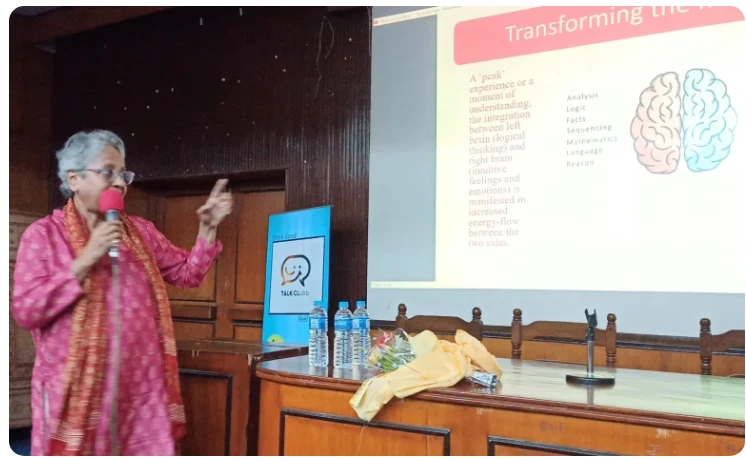

Graphology For Child Emotional Health: Psychological Analysis of Handwriting by the Best Graphology Institute in Kolkata
Introduction
Graphology—or the Psychological analysis of handwriting—is a tool that claims to reveal emotional states, personality patterns, and inner conflicts through one’s handwriting. At the Institute of Graphology (led by Dr Rupa Talukder and Manisha Choudhury), this tool is applied with care toward child emotional health, parenting, and marital harmony.
In this post, you’ll see how graphology can (positively or cautiously) influence emotional well‑being, parenting dynamics, and marriage life, with concrete examples, a comparison table, and actionable points. Institute of Graphology is best graphology institute in Kolkata.
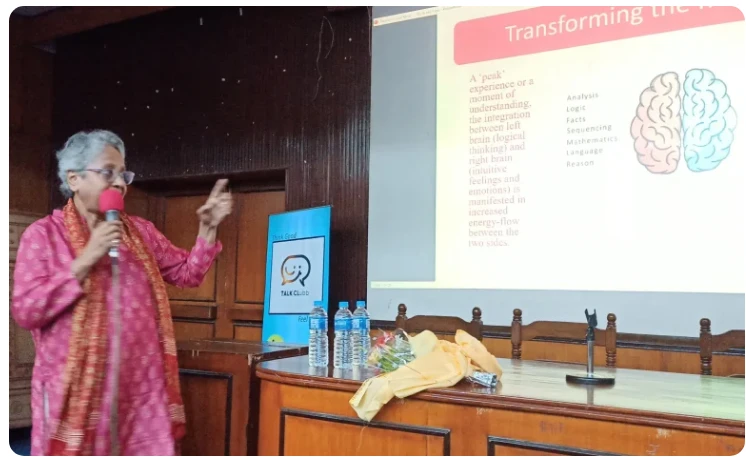
How Graphology Affects Child Emotional Health
- Emotional insight via handwriting traits
- Variations in slant, pressure, spacing, letter shape can hint at anxiety, withdrawal, impulsivity or repression.
Early detection of emotional imbalance
- If a child’s handwriting suddenly changes (more tremor, erratic slant), it may signal emotional distress or a mood shift.
- The Institute of Graphology uses these changes as early warning flags, offering counseling support.
Graphotherapy: corrective re‑writing for emotional regulation
- The Institute teaches children to consciously adjust their writing (e.g. soften harsh strokes, normalize slants) to influence thought patterns and emotional rhythm.
- Over time, such practice can help in reducing stress expression and promoting calmer emotional states.
Empowerment & self‑understanding
- When children see their writing traits mapped to emotional strengths/areas to work on, they gain self-awareness and agency.
How Graphology Influences Parenting
- Better parent–child communication
- Parents trained in graphology at the Institute can interpret children’s handwriting signals and respond sensitively (instead of punishing or misunderstanding).
- Tailored parenting strategies
- If a child shows signs of emotional inhibition (tight spacing, minimal loops), parenting can be adjusted: more open dialogue, reassurance, gentle encouragement.
- Conflict reduction
- Recognizing when a child is under stress (even without overt misbehavior) enables proactive support instead of reactive discipline.
- Parental self‑reflection
- Parents themselves can undergo handwriting analysis via the Institute, identifying their own emotional triggers and parenting blindspots.
How Graphology Can Impact Marriage Life
- Emotional compatibility and conflict zones
- By comparing spouses’ handwriting traits (slants, pressure, margins), the Institute provides insights into communication styles, emotional distance, and potential conflict triggers.
- Understanding emotional blocks
- A spouse with rigid, angular handwriting may struggle with vulnerability; the other partner can learn patience and softer emotional cues.
- Joint graphotherapy practice
- Couples can practice handwriting adjustments (e.g. more open loops, relaxed spacing) as a symbolic and behavioral exercise to improve mutual empathy.
- Ongoing emotional tracking
- Over years, changes in either spouse’s handwriting can flag relationship stress (e.g. if strokes get more erratic during a tough phase), prompting early counseling.
Graphological Indicators & Emotional / Relationship Implications
Handwriting Trait
Possible Emotional / Behavioral Indicator
Parenting / Marriage Implication
Strong, heavy pressure
Intense emotions, possible anger, tension
Use calming strategies, avoid confrontation
Right slant
Expressive, open to connections
Good for communication, but watch for oversharing
Left slant
Reserved, cautious, self‑protecting
Encourage emotional sharing, patience needed
Tight spacing between letters/words
Feeling crowded, anxious, overthinking
Create more personal space, slower pacing
Loops (in ‘o’, ‘e’, ‘l’) very small or closed
Emotional inhibition, difficulty opening up
Gentle encouragement to express feelings
Baseline dips or wavering line
Mood swings, instability
Monitor stress, provide emotional security
Sudden change in handwriting style
A shift in mindset, stress, trauma
Investigate life changes, offer support
Why the Institute of Graphology (Dr Rupa Talukder & Manisha Choudhury) Stands Out
- Expert leadership & integration: Dr Rupa Talukder is a renowned counselling psychologist, and Manisha Choudhury is a certified graphologist working with the Institute’s program coordination (via association with Mind’s Eye).
Cautions & Best Practices
- Not a substitute for clinical diagnosis
- Graphology is controversial and considered a pseudoscience by many psychologists.
complementary tool, not a definitive diagnosis.
Avoid overinterpretation
Handwriting varies with mood, physical state, tools used (pen type, surface). Always corroborate handwriting cues with direct conversation.
Consent & sensitivity
Especially with children and spouses, involve them in the interpretation and respect boundaries.
Track change over time
One sample is less informative than patterns seen over months or years.
Actionable Steps
- Obtain a clean handwriting sample
- — Prefer a normal‑speed page (a paragraph) written without overthinking.
- Consult with certified professionals
- — At the Institute of Graphology, schedule a child or couple handwriting assessment under Dr Talukder’s team.
- Review the analysis together
- — Share the findings with the child or spouse; invite discussion, not judgment.
- Set mini graphotherapy tasks
- — E.g. “this week try writing with more spacing” or “soften your pen pressure in your diary”.
- Monitor emotional changes
- — Compare handwriting over time and correlate with mood logs or journal entries.
- Integrate with counseling
- — Use graphology insights as starting points for emotional conversations — don’t rely on it in isolation.
Conclusion
Graphology, particularly when practiced by a credible entity such as the Institute of Graphology under Dr Rupa Talukder and Manisha Choudhury, can become a fascinating bridge between handwriting and emotional insight. Used wisely, it enriches understanding in Graphology For Child Emotional Health, strengthens parenting bonds, and helps couples navigate emotional undercurrents in marriage.






















Sign in to leave a comment.