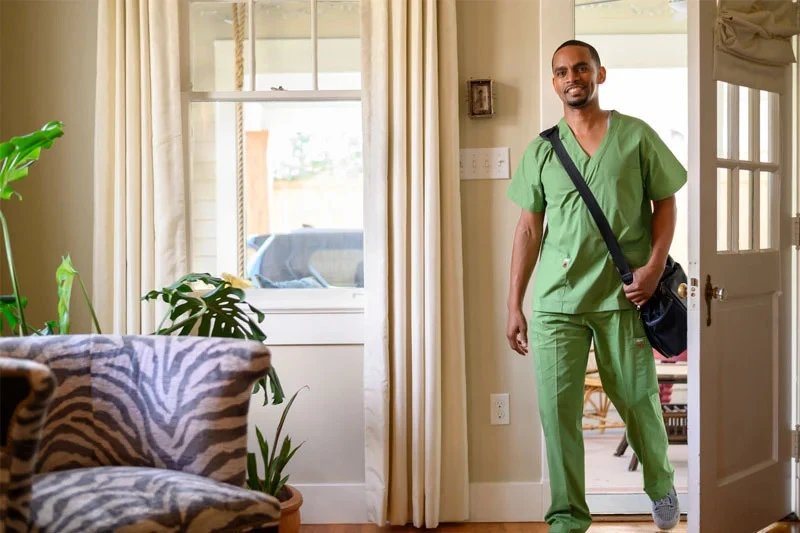

Hospital readmissions pose a significant challenge for seniors and patients managing chronic conditions. Statistics show that nearly 20% of Medicare patients are readmitted within 30 days of discharge, leading to increased medical costs, patient stress, and potential health risks. Each readmission can compromise recovery, expose patients to new infections, and create emotional strain for both patients and families. Home health programs offer a practical solution by providing structured support in the comfort of the patient’s home. Agencies like home care agency Beachwood OH deliver tailored programs that address individual needs, ensure adherence to treatment plans, and provide ongoing monitoring. Structured home care focuses on prevention and continuous assessment, bridging the gap between hospital care and full recovery while reducing the likelihood of unnecessary hospital visits.
What Are Home Health Programs?
Home health programs provide comprehensive medical and support services directly in the patient’s home. These programs encompass skilled nursing, physical and occupational therapy, medication management, and patient education. Unlike general home care, which may focus on daily living assistance, home health programs emphasize proactive management of health conditions to prevent complications. By combining medical expertise with personal support, these programs reduce the risk of relapse, ensure timely interventions, and promote long-term wellness. Continuous monitoring of symptoms, medication adherence, and patient progress distinguishes home health programs from standard home care, making them an effective strategy to minimize hospital readmissions.
Personalized Care Plans for Each Patient
Personalized care plans are central to home health programs, as they align medical interventions with the unique needs of each patient. These plans are crafted after a thorough evaluation of the patient’s medical history, current condition, and recovery goals. Customization ensures that therapy routines, medication schedules, and lifestyle guidance are tailored for optimal recovery.
Key features of personalized home health plans include:
- Customized medication schedules and adherence monitoring
- Tailored rehabilitation exercises and therapy routines
- Nutritional plans designed for specific health conditions
- Regular assessment and adjustment of care based on progress
Individualized plans not only enhance recovery outcomes but also empower patients to actively participate in their health management, reducing the likelihood of preventable hospital visits.
Monitoring Health to Prevent Complications
Ongoing monitoring is a cornerstone of home health programs. Skilled nurses and caregivers track vital signs, symptoms, and responses to treatment, detecting early warning signs of complications. Early intervention allows minor issues to be addressed before they escalate into conditions that require hospitalization. This proactive approach reduces emergency room visits and hospital readmissions while providing families with reassurance that their loved one’s health is continuously observed. Regular check-ins and data tracking provide actionable insights for both caregivers and physicians, ensuring patient safety and consistent recovery.
Education and Empowerment of Patients and Families
Home health programs emphasize patient and family education to enhance recovery at home. Understanding warning signs, proper medication use, and daily care routines empowers patients to manage their health independently. Families gain confidence in supporting their loved one, reducing anxiety and the risk of mismanaged care. Educated patients are more likely to follow treatment instructions, maintain therapy schedules, and adopt healthy lifestyle choices, which collectively decrease the chances of hospital readmission. Clear communication, training sessions, and informational resources are integral to these programs, creating a supportive environment that fosters long-term wellness.
Coordinating Care with Healthcare Providers
Effective coordination between patients, families, and healthcare providers ensures that treatment plans remain consistent and up to date.
Care coordination strategies include:
- Timely updates to physicians about patient progress
- Scheduling follow-up appointments and lab tests
- Adjusting treatment plans based on real-time home observations
- Streamlining transitions from hospital to home to reduce gaps in care
This seamless communication reduces errors, prevents duplicated treatments, and ensures that any emerging health concerns are addressed promptly. Coordinated care bridges the gap between hospital discharge and full recovery, significantly lowering the probability of readmission.
Reducing Readmission Costs and Burden
Hospital readmissions place financial and emotional burdens on patients, families, and healthcare systems. Home health programs minimize unnecessary hospital stays while maintaining high standards of care. Patients avoid costly emergency visits and extended hospitalizations, families experience less stress, and healthcare facilities can allocate resources more efficiently. By providing timely interventions and continuous support, home health programs make recovery both safer and more affordable. Investing in structured home care programs is a cost-effective strategy that delivers long-term benefits while promoting patient well-being.
Emotional and Mental Support for Recovery
Physical recovery is closely tied to emotional and mental well-being. Home health staff provide companionship, encouragement, and mental health support that reinforce adherence to treatment plans. Emotional stability reduces stress-related health complications, improves motivation for therapy, and promotes overall recovery. Caregivers offer reassurance, listen to patient concerns, and provide encouragement for daily activities, helping patients maintain confidence and independence during recovery. This emotional support is a critical factor in preventing relapse and ensuring sustained improvement after hospitalization.
Technology-Enhanced Home Health Programs
Modern home health programs integrate technology to enhance monitoring and communication. Telehealth consultations, remote monitoring devices, and mobile apps allow real-time tracking of vital signs and symptoms. Patients can connect with healthcare providers virtually, receive timely advice, and report concerns without leaving home. Technology ensures continuous supervision, early detection of health issues, and better adherence to care plans. By combining human care with digital tools, home health programs create a robust support system that reduces hospital readmission rates while maintaining high standards of patient safety.
Conclusion:
Home health programs provide a multi-faceted approach to reducing hospital readmissions. Personalized care plans, continuous monitoring, patient and family education, coordinated communication, and emotional support work together to ensure safe, effective recovery. Agencies like home care agency Beachwood OH demonstrate how structured home health services can prevent complications, reduce financial and emotional burdens, and promote overall wellness. Families seeking to safeguard their loved ones’ health should consider home health programs as a reliable solution for long-term recovery and lower hospital readmission rates.
FAQs
How soon after hospital discharge should a home health program begin?
Home health programs typically start within 24–48 hours of discharge to ensure continuity of care and reduce the risk of complications.
Are home health programs covered by insurance?
Many insurance plans, including Medicare, cover home health services if a physician orders skilled care. Coverage may vary, so verification with the provider is recommended.
How often do caregivers visit patients under a home health program?
Frequency depends on the patient’s needs. Visits can range from daily nursing support to several times a week, combined with virtual check-ins as necessary.
Can home health programs prevent all hospital readmissions?
While they significantly reduce the risk, not all readmissions can be prevented. Home health programs focus on early intervention, monitoring, and education to minimize avoidable hospital visits.
































Sign in to leave a comment.