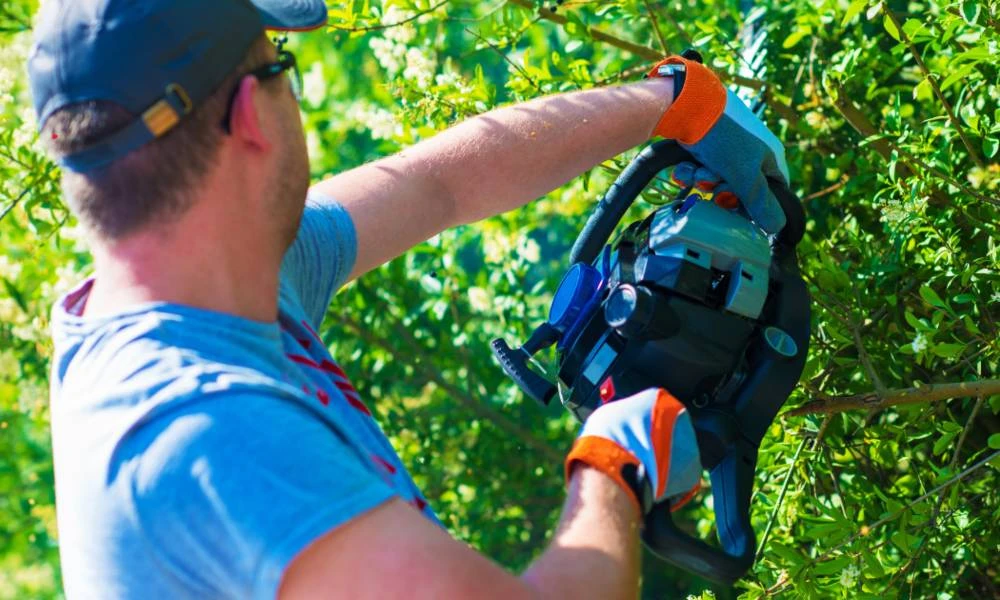

Trimming hedges can transform your garden into a beautifully manicured landscape. However, improper techniques can cause significant damage to your hedges, hindering their growth and health. In this blog, we'll guide you through the steps to avoid damaging your hedges while trimming, ensuring they remain lush and vibrant.
Understand the Growth Cycle of Your Hedges
Before you start trimming, it's crucial to understand your hedges' growth cycle. Different hedge species exhibit unique growth patterns and have specific optimal trimming times. For example, deciduous hedges are best trimmed in late winter or early spring, while evergreen hedges should be trimmed in late spring or early summer. Knowing when your hedges are in their dormant phase helps avoid cutting new growth, which can weaken the plants.
Use the Right Tools
Using the right tools is crucial for achieving precise and clean cuts. Ensure your hedge trimmers are sharp and well-maintained. Dull blades can tear the branches instead of cutting them cleanly, causing unnecessary stress to the plant. Invest in a good pair of shears, a hedge trimmer, and a ladder if needed. For larger hedges, consider using an electric or gas-powered trimmer for efficiency.
Start with a Plan
Before you begin trimming, have a clear plan. Visualize the shape and height you want to achieve. To maintain an even cut, mark a guideline with string or stakes. Start trimming from the bottom and work your way up, which helps manage the hedge's shape and ensures evenness.
Trim Gradually
Trimming too much at once can shock your hedges and stunt their growth. Remove small amounts at a time and regularly step back to assess your progress. This approach helps achieve the desired shape without over-pruning. Remember, trimming a bit more is more accessible than waiting for regrowth if you cut too much.
Avoid Trimming in Extreme Weather
Avoid trimming your hedges during extreme weather conditions. Trimming during hot, dry weather can stress the plants while trimming in freezing weather can cause frost damage. The best time to cut is during mild, dry weather when the plants are less stressed and the risk of disease transmission is minimized.
Watch for Pests and Diseases
As you trim, watch for any signs of pests or diseases. Damaged or discolored leaves, unusual growth patterns, and the presence of insects can indicate problems that need addressing. Regular maintenance and prompt action can prevent these issues from spreading and causing further damage to your hedges.
Post-Trimming Care
After trimming, give your hedges some extra care. Water them thoroughly to help them recover from the stress of trimming. Applying mulch around the base can help retain moisture and supply nutrients. Regularly inspect your hedges for any signs of stress or damage and address these issues promptly to maintain your plants' health and vibrancy.
Trimming hedges is an art that requires patience, the right tools, and proper techniques to avoid causing damage. You can keep your hedges healthy and beautifully shaped by understanding your hedge's growth cycle, using sharp tools, planning your trimming process, and being mindful of weather conditions. For professional and precise hedge trimming in Ottawa, consider contacting experts who understand the nuances of different hedge types. And if you have cedar hedges, specific care is essential for cedar hedge trimming to ensure their longevity and appeal. Following these tips, you'll maintain a pristine garden with lush, healthy hedges year-round.





















Sign in to leave a comment.