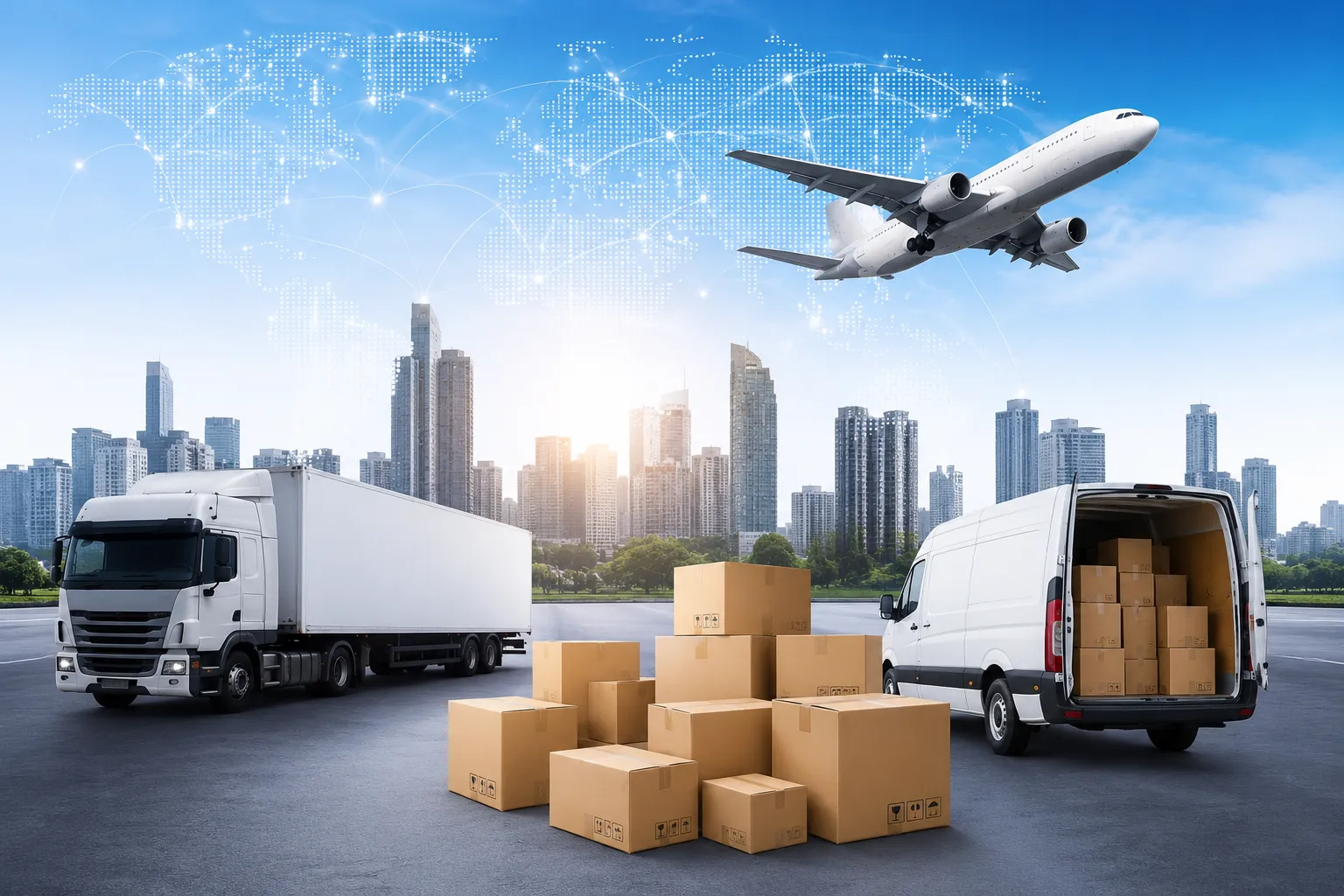


Running an online business today is not just about selling products. It also involves managing deliveries, tracking shipments, handling returns, and ensuring a smooth customer experience. As order volumes grow, working with multiple courier companies can become complex and time-consuming. Businesses often need to switch between different dashboards, compare delivery options, and coordinate with multiple support teams.
This is where logistics aggregation solutions can make a significant difference. By bringing multiple courier partners under one platform, these solutions help businesses manage shipping in a more organized and efficient way. They improve visibility, reduce manual effort, and simplify day-to-day logistics operations.
For businesses offering Cash on Delivery (COD), this becomes even more important because COD involves additional steps such as payment collection, delivery confirmation, and settlement tracking.
One Platform for Multiple Courier Partners
Managing multiple courier companies separately can create operational challenges. Each courier may have its own system, pricing model, service coverage, and tracking process. This often leads to confusion and extra workload for logistics teams.
A logistics aggregation platform solves this by bringing all courier options into a single system. Businesses can create shipments, choose couriers, track deliveries, and manage updates from one place.
This reduces the need to log into multiple systems and helps teams work more efficiently. It also ensures better coordination between different shipping partners.
Making Smarter Shipping Decisions
Every order has different shipping needs. Some deliveries require faster service, while others may need a more cost-effective option. Factors like delivery location, package weight, urgency, and courier availability all play a role in choosing the right shipping partner.
With access to multiple courier options, businesses can compare services before dispatching an order. Instead of relying on a single courier for all shipments, they can select the most suitable option for each order.
This flexibility helps businesses balance cost, delivery speed, and customer satisfaction more effectively.
Understanding COD in Shipping Operations
Cash on Delivery continues to be a popular payment method, especially in markets where customers prefer paying after receiving their order. It builds trust and encourages first-time buyers to complete purchases.
However, COD shipping is more complex than prepaid orders. A reliable cash on delivery courier service must handle not only delivery but also payment collection and settlement reporting.
Businesses need clear visibility into which orders are delivered, which payments are collected, and when settlements will be processed. When COD operations are integrated into a centralized logistics system, it becomes easier to track both shipment and payment status in one place.
Real-Time Shipment Tracking
Customers today expect regular updates about their orders. Real-time tracking has become an essential part of the delivery experience.
Through a centralized logistics system, businesses can monitor every stage of delivery—pickup, transit, out-for-delivery status, and final delivery confirmation. If any delay or issue occurs, it can be identified quickly.
This also improves customer support. Instead of contacting multiple courier companies, support teams can access all tracking information from a single dashboard and respond to customer queries faster.
Faster Order Processing with Automation
As order volumes increase, manual order processing can slow down operations. Tasks like entering order details, generating shipping labels, assigning couriers, and updating tracking information can become repetitive and time-consuming.
Logistics aggregation platforms often include automation features that simplify these tasks. Orders can be processed faster, labels can be generated automatically, and courier selection can be streamlined based on predefined rules.
Automation also reduces human errors, ensuring more accurate and consistent order fulfillment.
Efficient Return Management
Returns are a natural part of eCommerce. Customers may return products due to size issues, quality concerns, or change of mind. Managing these reverse shipments manually can be challenging.
A centralized logistics system helps businesses track return requests, schedule pickups, and monitor return shipments more effectively. It also provides better visibility into the entire return journey.
This improves communication with customers and helps businesses handle returns in a more organized way.
Managing Shipping Costs Effectively
Shipping costs play a major role in overall business profitability. Factors like distance, weight, delivery speed, and courier selection directly impact logistics expenses.
With multiple courier options available in one platform, businesses can compare pricing and choose the most cost-effective service for each shipment. This prevents over-reliance on a single courier and helps optimize shipping expenses.
Over time, businesses can also analyze shipping data to identify cost patterns and make better financial decisions.
Using Data to Improve Performance
Logistics platforms generate valuable data about shipping performance. Businesses can analyze delivery timelines, courier efficiency, return rates, and shipment delays.
This data helps identify weak points in the logistics process. For example, if a specific region consistently shows delays, businesses can explore alternative courier options for that area.
Data-driven insights help improve decision-making and support long-term operational improvements.
Why Scalability Matters
As businesses grow, their logistics needs become more complex. A system that works for 50 orders a day may not be efficient for 500 or 5,000 orders.
Logistics aggregation solutions provide scalability by allowing businesses to manage increasing shipment volumes without adding unnecessary complexity. New courier partners can be added easily, and shipping workflows can be expanded without major operational changes.
This makes such platforms especially useful for startups, D2C brands, and growing eCommerce businesses.
Choosing the Right Logistics Platform
When selecting a logistics platform, businesses should consider more than just shipping rates. Important factors include courier coverage, delivery reliability, tracking accuracy, COD support, return management, and customer service.
A low-cost solution may not always be the best if it lacks reliability or visibility. A balanced approach that considers both cost and service quality is more effective in the long run.
How Shipdaak Supports Businesses
For businesses looking to simplify their shipping operations, Shipdaak offers a centralized logistics platform that connects multiple courier partners in one place. It helps businesses manage shipments, track deliveries, and streamline COD operations more efficiently.
By combining courier access, tracking tools, and logistics management features, Shipdaak supports businesses in handling growing order volumes with greater ease and control.
Conclusion
Logistics aggregation solutions play an important role in simplifying modern eCommerce shipping. By connecting multiple courier partners through a single platform, they reduce operational complexity and improve visibility across the entire delivery process.
For COD-based businesses, a reliable cash on delivery courier service is essential for managing payments, tracking settlements, and ensuring smooth delivery operations.
As eCommerce continues to expand, businesses need scalable and efficient logistics systems. By using centralized shipping platforms, they can improve delivery performance, reduce costs, and create a better customer experience—ultimately supporting long-term business growth.



























Sign in to leave a comment.