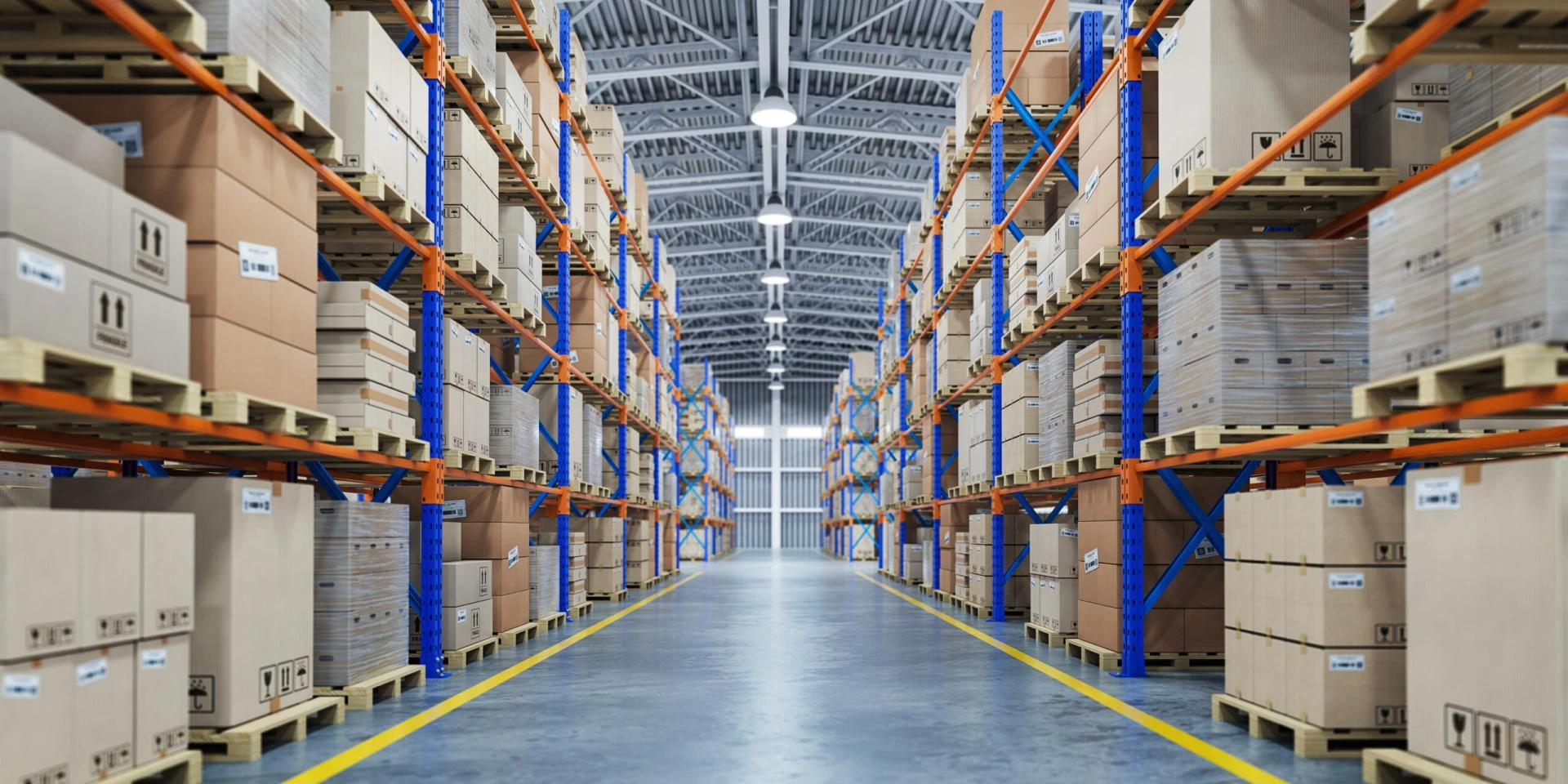

In the rapidly evolving landscape of 2026, logistics has become the backbone of global commerce. Whether you are a small e-commerce startup or a multinational corporation, understanding the infrastructure that keeps your products safe and moving is essential. As businesses scale, finding a reliable warehouse company in India often starts with a fundamental question: what kind of facility does my inventory actually need?
Warehousing is no longer just about "storing boxes" in a dusty godown. Today, it involves sophisticated technology, climate control, and strategic legal frameworks. To help you navigate this sector, we have broken down the four major types of warehousing that dominate the industry today.
1. Private Warehouses
A private warehouse is owned and operated by a single company for its exclusive use. Large manufacturers, wholesalers, or big-box retailers typically invest in these facilities to maintain total control over their supply chain.
Best for: Well-established brands with high, consistent inventory volumes.
Key Advantage: Complete autonomy over layout, specialized equipment, and internal processes.
The Trade-off: They require significant capital investment for construction, maintenance, and staffing.
2. Public Warehouses
Public warehouses are owned by third-party logistics (3PL) providers or government bodies and are available for rent to the general public. These facilities serve multiple clients simultaneously, making them a "shared" resource.
Best for: Startups, small businesses, or companies with seasonal peaks.
Key Advantage: Incredible flexibility and low entry costs. You only pay for the space you use (pay-as-you-go).
The Trade-off: You have less control over the specific storage environment compared to a private facility.
3. Bonded Warehouses
Bonded warehouses play a critical role in international trade. These are specialized facilities licensed by government customs authorities to store imported goods before duties and taxes are paid.
Best for: Importers and exporters dealing with high-value goods or cross-border trade.
Key Advantage: It helps with cash flow. A business can store items duty-free until they find a buyer or the goods are ready for distribution. If the goods are re-exported, the duty may be waived entirely.
The Trade-off: Strict regulatory oversight and specific documentation requirements.
4. Cold Storage (Climate-Controlled) Warehouses
As the demand for pharmaceuticals and fresh produce surges in 2026, climate-controlled warehousing has become a high-growth sector. These facilities maintain specific temperature and humidity levels to preserve the integrity of perishable goods.
Best for: Food and beverage companies, florists, and the pharmaceutical industry (especially for vaccines).
Key Advantage: Prevents spoilage and extends the shelf life of sensitive products.
The Trade-off: These are the most expensive warehouses to operate due to the high energy consumption of refrigeration systems.
Choosing the Right Partner
Selecting the right storage model depends on your budget, the nature of your products, and your growth trajectory. In a booming market, partnering with a professional warehouse company in India can provide you with the tech-driven Grade A facilities needed to stay competitive in today’s fast-paced economy.




























Sign in to leave a comment.