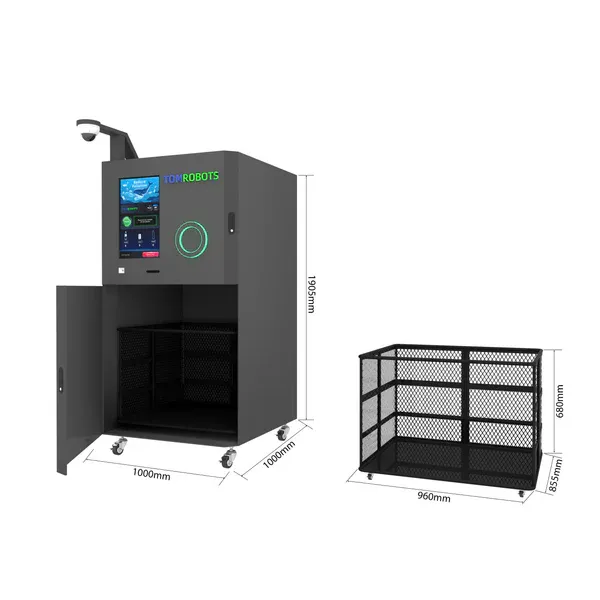

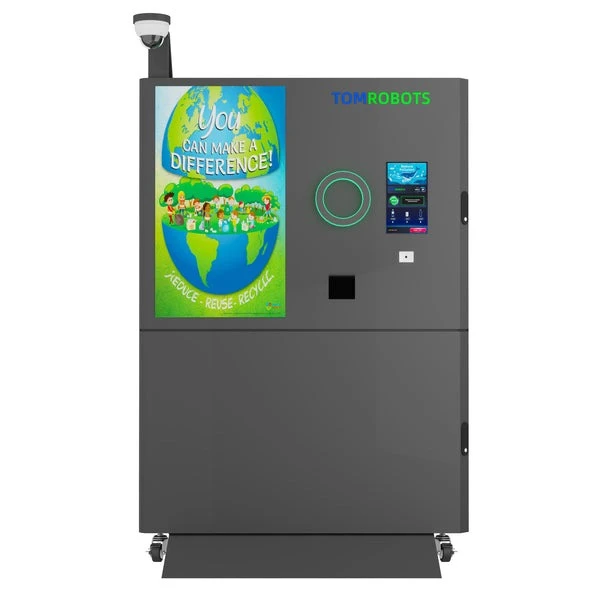
Sustainability has moved well beyond being a marketing buzzword. Companies now have to show they're actually doing something, not just saying the right things in a press release. Customers notice. So do employees. So do investors, for that matter, and they're all watching how a company deals with its waste and its footprint on the planet. That's part of why a Recycling Vending Machine has turned into such a genuinely useful tool for businesses trying to make good on sustainability promises. Instead of just leaving out a few bins and hoping for the best, companies can get people actually participating and pull real data out of the process at the same time.
Corporate sustainability was never going to come together in one big swoop. It builds up slowly, through small everyday changes that make operations a bit more accountable and a lot easier to measure. So where do recycling machines actually fit in? Mostly through a handful of practical wins: better waste handling, more people pitching in, and numbers a business can point to and back up.
Encouraging Better Recycling Habits
Getting people to actually change their daily habits is the hard part of any recycling push.
People recycle a lot more when it's quick and doesn't feel like extra work, especially if there's something in it for them. Reverse vending machines nail that. Drop in an empty bottle or can and the machine sorts and stores it, no thinking required.
Some businesses take it a step further with reward schemes, handing out points, vouchers, or small perks for every item someone recycles. Turns out small rewards shift habits over the long run a lot better than another sign taped to the wall.
Supporting Corporate Environmental Targets
Plenty of companies now put out sustainability reports laying out exactly how they're doing environmentally.
Less landfill waste, higher recycling rates, lower emissions, these show up again and again as goals in those reports. Recycling machines give businesses something concrete to point at when they're trying to hit those numbers.
No more guessing at recycling rates either. Companies can track actual volumes collected, which makes those reports a lot harder to poke holes in.
Creating Employee Engagement
More people want to work somewhere that treats the environment as something real, not just a talking point.
Even a small recycling programme tends to pull in more engagement than businesses expect. Once staff start participating regularly, sustainability stops being a line in an annual report and starts being something people actually do at work.
And it doesn't always stay at work either. A lot of these habits end up following people home.
Improving Waste Management Efficiency
Managing waste across a big office, a campus, or a shopping centre gets messy fast, way messier than it looks on paper.
Regular bins need constant sorting because recyclables and non-recyclables end up mixed together more often than anyone would like. That means more labour, and worse recycling outcomes overall.
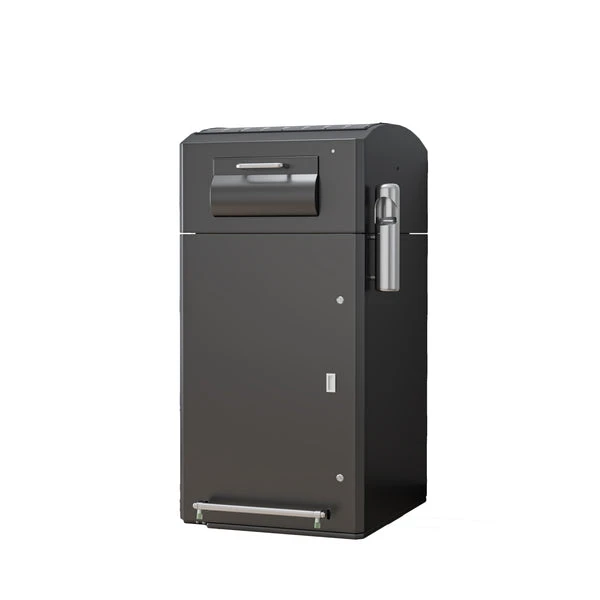
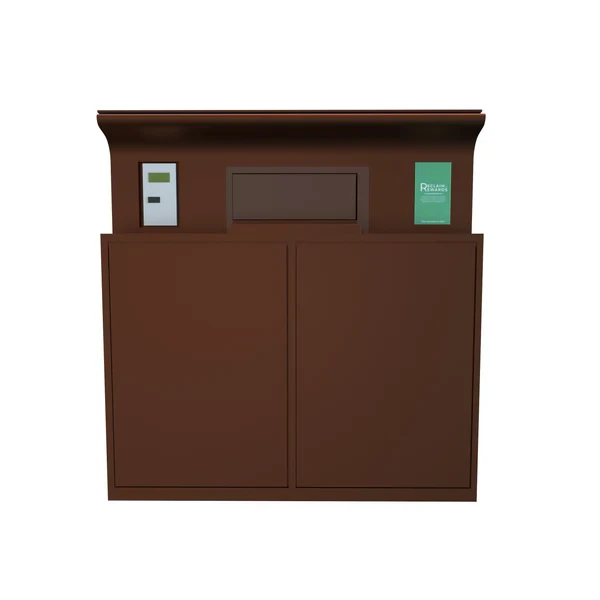
A well placed recycling vending machine sidesteps a lot of that headache. It only takes specific materials and keeps them sorted right from the start, so there's a lot less untangling and a lot less manual work down the line.
Demonstrating Visible Sustainability Efforts
People notice sustainability when they can actually see it happening in front of them, not just read about it on a company website.
Put a recycling station in a lobby, a store, a campus building, wherever people actually pass through, and it sends a clear message: this isn't just marketing copy, it's part of how the place runs.
That visibility builds trust in a way that words alone rarely manage. Seeing something in action just lands differently than reading about it.
Data Helps Businesses Measure Progress
Here's where a lot of recycling efforts quietly fall apart: measurement.
A company might know recycling is happening somewhere in the building, but ask them exactly how much waste actually got diverted from landfill, and most can't answer that with any confidence. Modern recycling machines fix that gap, spitting out real numbers on what got collected, how often, and how much.
That kind of data lets a company see what's actually working, where it's falling short, and gives them something solid to back up their ESG reporting instead of vague estimates.
Supporting Circular Economy Initiatives
A lot of organisations have shifted focus, and it's not just about cutting waste anymore, it's about keeping materials in circulation.
Reverse vending systems help pull recyclable material back out of the waste stream before it ever hits a landfill, so it can get turned into something new. Plastic bottles, aluminium cans, whatever the container, it stays useful instead of becoming trash.
Every single item recycled chips away, even slightly, at the demand for brand new raw materials.
Suitable Across Different Business Environments
These machines aren't stuck in shopping centres and train stations anymore, if they ever really were.
Offices, universities, airports, hospitals, factories, concert venues, schools, retail stores, all of them churn out serious amounts of recyclable packaging on any given day.
Since the machines basically run themselves and don't need any real training to use, they slot into just about any workplace without throwing off the day to day routine.
Strengthening Corporate Brand Reputation
How a business handles the environment increasingly shapes whether people want to buy from it, or work for it.
Companies that put real, visible effort into sustainability tend to earn a stronger reputation with the customers, employees, and partners who actually care about this stuff. And real action just carries more weight than a slogan ever will.
Businesses that keep at it, year after year, tend to get seen as forward looking, the kind of company that's ready for whatever comes next on the environmental front.
Supporting Long-Term Sustainability Strategies
Corporate sustainability was never going to happen through one campaign or one big announcement.
It takes steady, ongoing work woven into how the business actually operates. Recycling technology fits that mould well, quietly delivering results year after year instead of just for one flashy quarter.
The more people take part, the more a business saves on waste disposal, the better its environmental numbers look, and the closer it gets to its bigger goals, all without piling extra complexity onto daily operations.
Conclusion
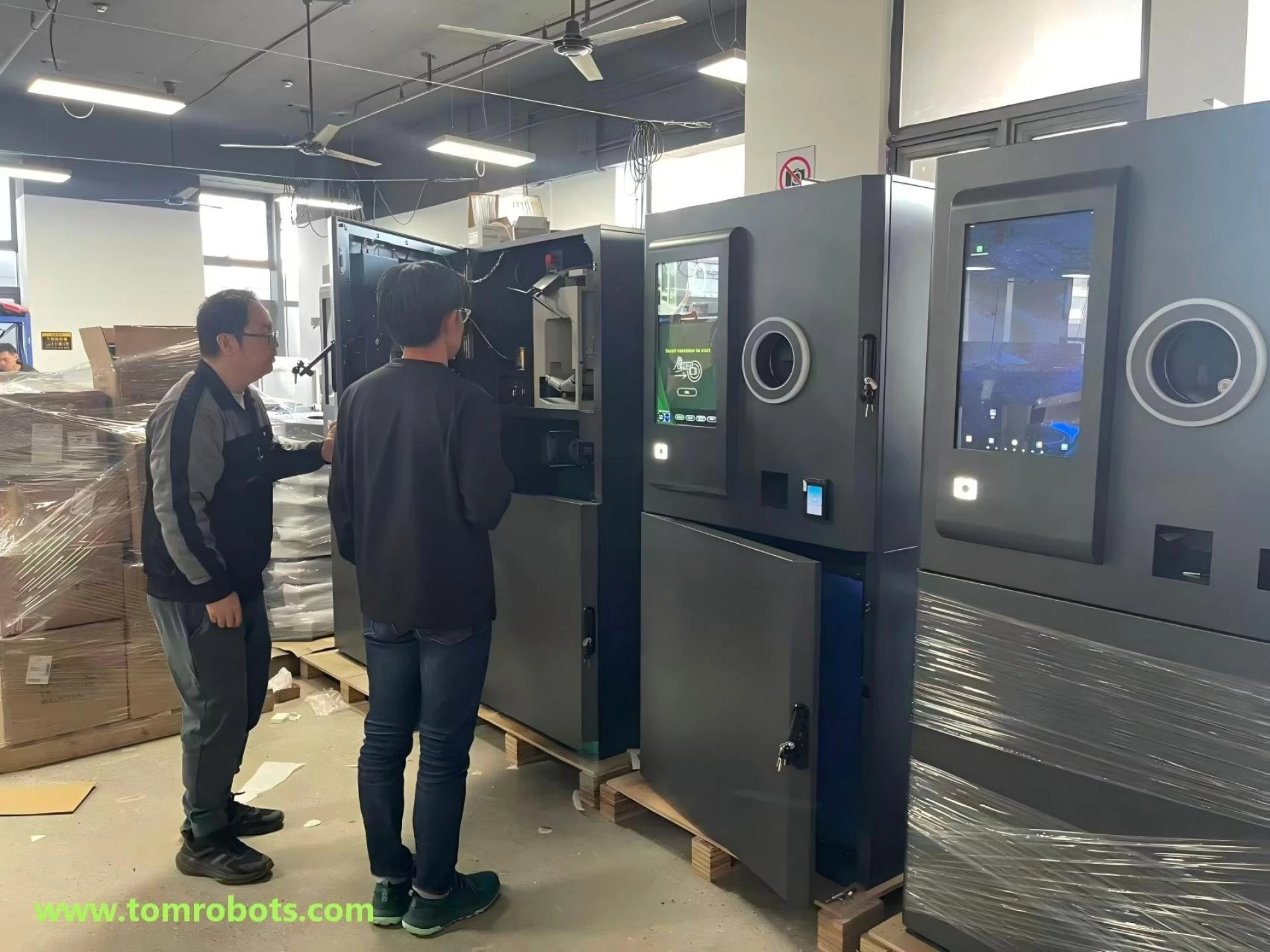
A stronger sustainability strategy comes down to practical steps that get people involved and produce results a business can actually measure and prove. Companies searching for a Recycling Vending Machine Near Me, can turn to the solutions from Tom Robots, helping businesses improve their recycling numbers, get employees genuinely engaged and build workplaces, that back up their long-term sustainability goals with real action.

























Sign in to leave a comment.