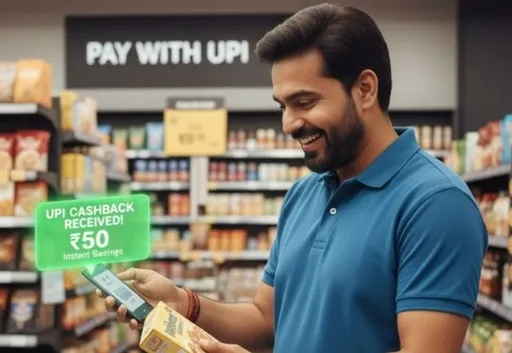

For years, brands relied on scratch cards, printed coupons, and manual point-collection systems to keep customers and channel partners engaged. These methods worked, but they came with real friction: lost cards, delayed redemptions, no tracking, and little visibility into who was actually participating. As consumer expectations shift toward instant, mobile-first experiences, a simpler and far more measurable alternative has taken over: the QR code rewards program.
By turning every product, package, or label into a scannable touchpoint, brands can now reward customers, retailers, and distributors the moment they engage,-no app downloads, no paperwork, and no guesswork about what's working.
What Is a QR Code Rewards Program?
A QR code rewards program is a digital engagement and loyalty solution built around a simple idea: attach a unique QR code to a product, package, label, or promotional piece, and reward the person who scans it. That single scan can trigger a range of outcomes depending on the campaign: instant cashback, loyalty points, vouchers, discounts, or exclusive offers.
Beyond rewards, the same QR code can double as a product authentication QR code, letting customers verify they've purchased a genuine product while participating in the reward campaign. For brands operating in categories prone to counterfeiting- paints, adhesives, agrochemicals, electricals -this dual function adds real strategic value.
Every scan also generates data: which products are moving, where, and how often. That's first-party engagement data most brands never had access to before.
Why Brands Are Making the Switch
The appeal isn't just novelty; it's operational efficiency. Traditional loyalty methods create friction at almost every step: lengthy registration forms, manual coupon submissions, delayed approvals, and duplicate claims that erode trust. QR-based systems remove nearly all of it.
Here's what typically improves after adoption:
- Faster participation: scanning takes seconds, with no account creation required
- Higher redemption rates: instant UPI cashback removes the wait
- Stronger repeat purchases, rewards tied directly to buying behavior
- Better campaign visibility, real-time data replaces guesswork
- Reduced fraud, secure validation prevents duplicate or fake claims
One recurring pattern brands report: switching from app-based point systems to simple scan-and-cashback models dramatically increases participation, since customers no longer need to download anything or remember login details.
Who Gets Engaged Beyond Just the End Customer
A well-designed channel loyalty program built on QR codes doesn't stop at the consumer. The same infrastructure can extend rewards across the entire supply chain:
Customers get rewarded for purchasing and interacting with products, encouraging repeat buying.
Retailers get performance-based incentives that motivate them to recommend and prioritize specific products on the shelf.
Dealers and distributors get transparent, target-linked rewards that drive sales volume and improve product movement efficiency.
Influencers, electricians, plumbers, painters, contractors, and other trade professionals who influence purchase decisions can also be brought into the loyalty loop, something traditional consumer-only programs often miss entirely.
This makes QR-based retailer, dealer, and distributor reward structures particularly valuable for B2B-heavy categories like paints, tiles, adhesives, and electrical goods, where the actual buying decision often runs through multiple stakeholders, not just the end consumer.
How a QR Code Rewards Program Actually Works
The mechanics are straightforward, which is part of why adoption rates are high:
- Generate unique QR codes. Each product or package gets a distinct, secure code linked to the reward program.
- Scan and verify: The customer scans using any smartphone; the system validates the code instantly.
- Reward instantly: Eligible participants receive cashback, points, or campaign-specific rewards without delay.
- Capture insights: Every scan adds to a growing dataset on product movement and user behavior.
- Measure performance: Brands can track participation, redemption rates, and engagement in real time.
- Optimize campaigns: Analytics inform adjustments to reward rules, targeting, and future campaigns.
This loop -scan, reward, measure, optimize -is what separates modern scan-and-earn campaigns from static, one-time promotions. It turns loyalty into an ongoing feedback system rather than a one-off incentive.
What to Look for in a QR Code Engagement Platform
Not all QR reward systems are built the same. When evaluating a QR code engagement platform, a few features matter more than others:
- Instant UPI cashback rewards, Frictionless payouts drive higher redemption than points that need to be "cashed in" later.
- Secure QR validation prevents duplicate claims and protects reward budgets from misuse.
- Product authentication lets the same code serve both loyalty and anti-counterfeiting purposes.
- Automated reward distribution reduces manual processing and payout delays.
- Real-time analytics, Tracks participation, redemption, and ROI without waiting for post-campaign reports.
- Flexible reward structures: Ability to customize by product, region, audience, or business objective.
- Mobile-optimized experience: Since nearly all scans happen on smartphones, the redemption flow needs to work smoothly on mobile browsers, not just apps.
Platforms like Verify App combine several of these capabilities into a single system, allowing brands to run customer, retailer, dealer, and influencer campaigns from one dashboard rather than stitching together separate tools.
Industries Best Positioned for QR Rewards
While QR-based loyalty can work across categories, it tends to deliver the strongest results in industries with multi-tier distribution and high-frequency purchases- think FMCG, packaged foods, rice, pulses, grains, agrochemicals, fertilizers, seeds, adhesives, paints, and electrical products. In these categories, the purchase journey often involves multiple decision-makers (retailer, contractor, end user), making a single, unified reward system especially useful for aligning incentives across the chain.
Final Thoughts
QR code rewards programs aren't just a trend; they're a practical response to the friction and blind spots of older loyalty methods. For brands managing large distribution networks, the ability to reward every stakeholder, from the end consumer to the retailer recommending the product, through one simple scan is a meaningful operational upgrade, not just a marketing gimmick.
If your brand still relies on scratch cards, manual coupon tracking, or app-based loyalty systems with low adoption, it may be worth evaluating how a QR-based approach could simplify the experience for everyone involved and give you the real-time visibility those older systems never could.
FAQs
1. What rewards can participants receive through a QR code rewards program?
A: Depending on the campaign, participants can receive cashback, loyalty points, vouchers, discounts, merchandise, or gift cards.
2. Can QR codes be used for both rewards and product authentication?
A: Yes. The same QR code can verify a product's authenticity while simultaneously rewarding the customer or channel partner who scanned it.
3. Who typically participates in QR code reward campaigns?
A: Participation can include customers, retailers, dealers, distributors, stockists, and trade influencers such as electricians, painters, or contractors, depending on the campaign's goals.























Sign in to leave a comment.