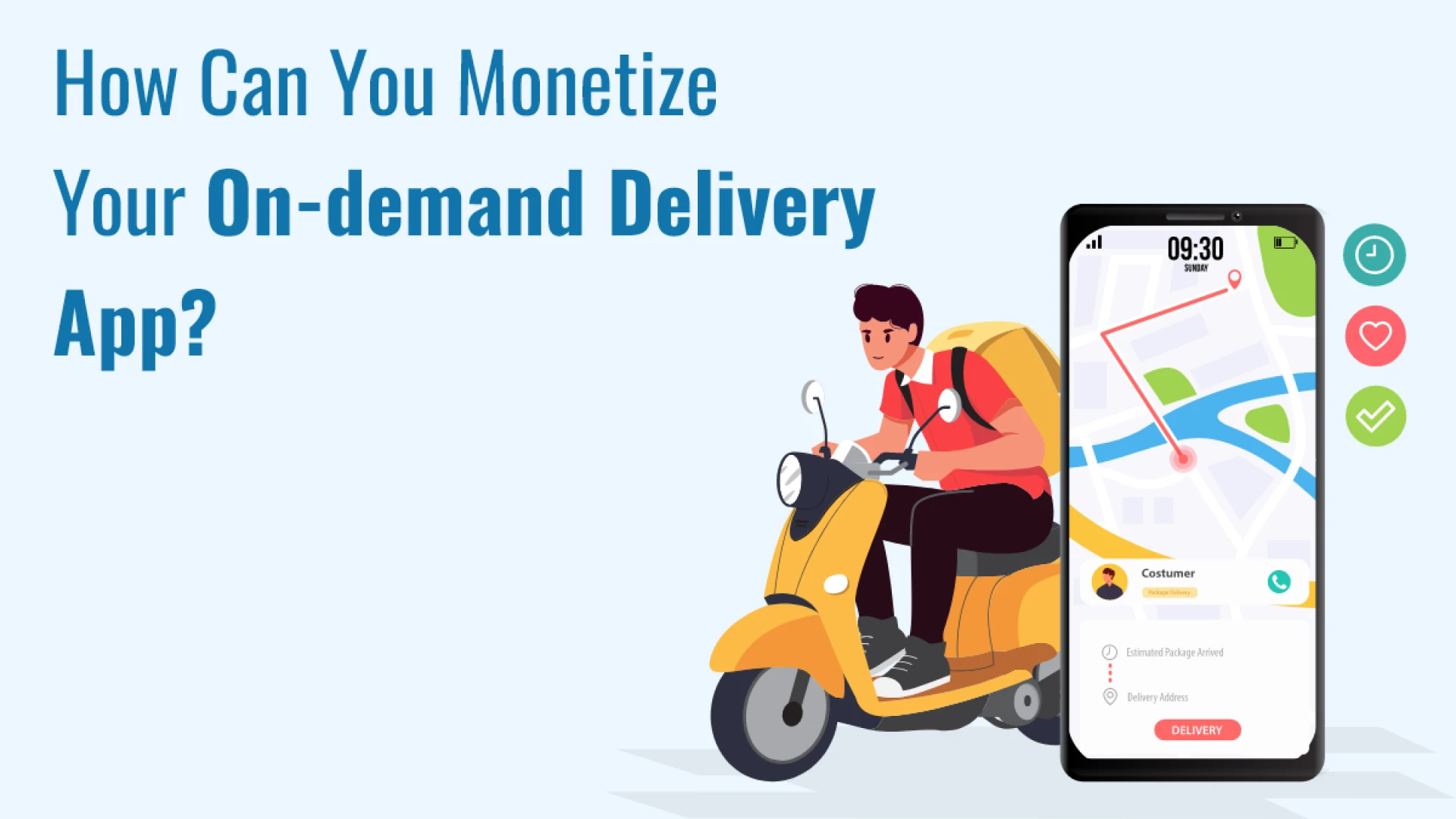

Monetizing an on-demand delivery app is essential to ensure its sustainability and profitability. There are various strategies you can employ to generate revenue while providing value to your users. This guide will explore different monetization models and provide tips on how to implement them effectively.
Understanding Monetization Strategies
Importance of Monetization
Monetization is crucial for the financial health of your on-demand delivery app. A well-thought-out monetization strategy ensures that your app generates consistent revenue, covers operational costs, and funds future growth and improvements. By diversifying your revenue streams, you can reduce dependency on a single source and increase overall profitability.
Choosing the Right Model
Selecting the right monetization model depends on your target audience, market conditions, and the unique value proposition of your app. It’s important to choose models that align with your business goals and enhance the user experience rather than detract from it.
Subscription-Based Model
Offering Subscription Plans
A subscription-based model involves charging users a recurring fee to access premium features or services. Offer different tiers of subscription plans, such as monthly, quarterly, and yearly, with varying levels of benefits. These could include faster delivery times, exclusive discounts, or access to premium customer support.
Benefits of Subscriptions
Subscriptions provide a steady and predictable revenue stream, helping you manage cash flow and plan for future growth. They also encourage user loyalty, as subscribers are more likely to remain engaged with your app to maximize their investment.
Delivery and Service Fees
Charging Delivery Fees
One of the most common ways to monetize an on-demand delivery app is by charging delivery fees. This fee can vary based on factors such as distance, delivery speed, and order size. Implementing a dynamic pricing model that adjusts fees based on real-time demand and supply can help optimize revenue.
Implementing Service Fees
In addition to delivery fees, consider charging service fees for using the app. This fee can cover the costs of maintaining the platform, providing customer support, and ensuring a high-quality user experience. Clearly communicate these fees to users to avoid any confusion or dissatisfaction.
In-App Advertising
Displaying Banner Ads
In-app advertising is a popular monetization strategy that involves displaying ads within your app. Banner ads, placed strategically within the app, can generate revenue without significantly disrupting the user experience. Partner with ad networks that offer relevant and high-quality ads to ensure they resonate with your audience.
Offering Sponsored Listings
Sponsored listings allow businesses to pay for higher visibility within your app. For instance, restaurants or stores can pay to have their listings appear at the top of search results or in a dedicated "Featured" section. This not only generates revenue but also provides value to businesses looking to increase their exposure.
Commission-Based Model
Charging Commissions on Orders
A commission-based model involves taking a percentage of each transaction made through your app. For example, you can charge restaurants, stores, or delivery partners a commission for each order they receive through your platform. This model aligns your revenue with the success of your partners, creating a win-win scenario.
Negotiating Commission Rates
Negotiate commission rates based on factors such as order volume, partnership duration, and market conditions. Offering tiered commission rates or performance-based incentives can encourage partners to drive more business through your app.
Offering Premium Features
Providing Value-Added Services
Monetize your app by offering premium features or value-added services that enhance the user experience. These could include features such as advanced order tracking, priority customer support, or access to exclusive deals and promotions. Charge users a one-time fee or a recurring subscription for accessing these premium features.
Implementing In-App Purchases
In-app purchases allow users to buy additional products or services directly within the app. For example, you can offer add-ons like gift wrapping, special delivery options, or branded merchandise. Ensure these purchases provide genuine value to users to encourage spending.
Partnering with Businesses
Forming Strategic Partnerships
Form strategic partnerships with businesses that complement your app\'s offerings. For example, partner with local restaurants, grocery stores, or retailers to expand your product range and increase order volumes. Negotiate revenue-sharing agreements or fixed partnership fees to generate additional income.
Offering White-Label Solutions
Consider offering white-label solutions to businesses looking to launch their own branded delivery apps. Provide them with a customizable version of your platform in exchange for a licensing fee. This allows you to leverage your existing technology and infrastructure to create new revenue streams.
Utilizing Data and Analytics
Selling Market Insights
The data collected through your app can provide valuable insights into consumer behavior, market trends, and operational efficiencies. Consider selling anonymized data and market insights to businesses looking to make informed decisions. Ensure that you comply with data privacy regulations and obtain user consent before monetizing your data.
Offering Analytics Services
Offer analytics services to your business partners to help them optimize their operations and marketing strategies. For example, provide detailed reports on sales performance, customer demographics, and order patterns. Charge a fee for these services based on the level of detail and customization required.
Implementing Referral Programs
Encouraging User Referrals
Referral programs incentivize existing users to invite new users to the app. Offer rewards, such as discounts, free deliveries, or credits, for each successful referral. This not only drives user acquisition but also increases engagement and loyalty among existing users.
Partnering with Influencers
Partner with influencers who can promote your app to their followers. Provide them with unique referral codes or links to share with their audience. Offer commission-based incentives to encourage ongoing promotion and user acquisition.
Conclusion
Monetizing your on-demand delivery app requires a strategic approach that balances generating revenue with providing value to users. Learn how to monetize your on-demand delivery app successfully with the expertise of a leading on-demand app development company. It\'s essential to continuously evaluate and optimize your monetization strategies to adapt to changing market conditions and user preferences. By focusing on delivering a superior user experience and building strong partnerships, you can ensure the long-term success of your on-demand delivery app.




























Sign in to leave a comment.