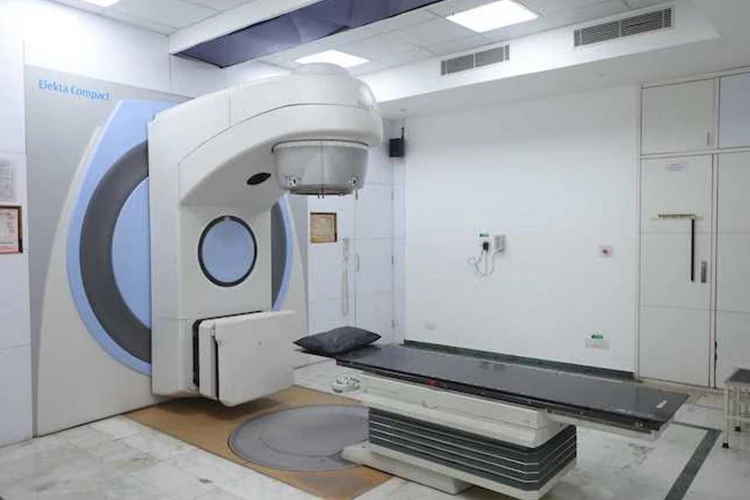

Understanding the Power of Cancer Radiation Treatment!
When facing a cancer diagnosis, understanding the available treatment options can ease anxiety and empower decision-making. One of the most commonly recommended therapies is Cancer Radiation Treatment. This article offers a comprehensive guide tailored for patients and their families, explaining how radiation therapy works, what to expect during the process, and how it supports overall cancer care.
What Is Cancer Radiation Treatment?
Cancer Radiation Treatment—also known as radiotherapy—is a medical procedure that uses high-energy rays or particles to target and destroy cancer cells. It is designed to damage the DNA of cancer cells so they can no longer grow or divide. Radiation can be delivered externally using machines like linear accelerators or internally through implanted radioactive materials (brachytherapy).
Depending on the type, location, and stage of the cancer, radiation may be used alone or in combination with other treatments like chemotherapy or surgery. The goal is often to eliminate cancer, reduce its spread, or relieve symptoms such as pain.
Types of Radiation Therapy:-
1. External Beam Radiation Therapy (EBRT)
The most common form, EBRT delivers precise beams of radiation from outside the body, targeting the tumor with minimal impact on surrounding healthy tissues.
2. Internal Radiation (Brachytherapy)
Radioactive material is placed directly inside or next to the tumor. This method is commonly used for prostate, cervical, or breast cancers.
3. Systemic Radiation Therapy
This involves swallowing or injecting radioactive substances that travel throughout the body to locate and kill cancer cells. It is typically used for thyroid or bone cancers.

What to Expect During the Process
- Consultation & Planning: Patients meet with a radiation oncologist who will determine the right type and dose of radiation. A simulation using imaging like CT or MRI may be performed to map the exact treatment area.
- Treatment Sessions: Sessions are typically short—lasting only a few minutes—and usually scheduled five days a week over several weeks, depending on the treatment plan.
- Post-Treatment Monitoring: Follow-ups are crucial to monitor the cancer’s response and manage any side effects.
Common Side Effects and Management
While Cancer Radiation Treatment is targeted, it may still cause temporary side effects, which vary depending on the treatment site. Common side effects include:
- Fatigue
- Skin irritation (similar to sunburn)
- Nausea
- Hair loss in the treated area
- Swallowing difficulties (if the neck or chest area is treated)
Doctors provide specific guidance to help manage these effects, which usually improve after treatment ends.
Supporting Patients and Families
The emotional and physical journey of cancer treatment affects both patients and their loved ones. It's important to:
- Maintain open communication with healthcare providers.
- Seek psychological or emotional support if needed.
- Understand the treatment plan and expected outcomes.
- Encourage rest, hydration, and a healthy diet.
Being informed helps families provide better support and patients feel more in control of their healing journey.
Conclusion
Cancer Radiation Treatment plays a vital role in modern oncology, offering effective results for many cancer types. While it may seem intimidating at first, knowing how it works and what to expect can make the experience more manageable. With the right information, patients and their families can approach treatment with greater confidence and clarity.











Sign in to leave a comment.