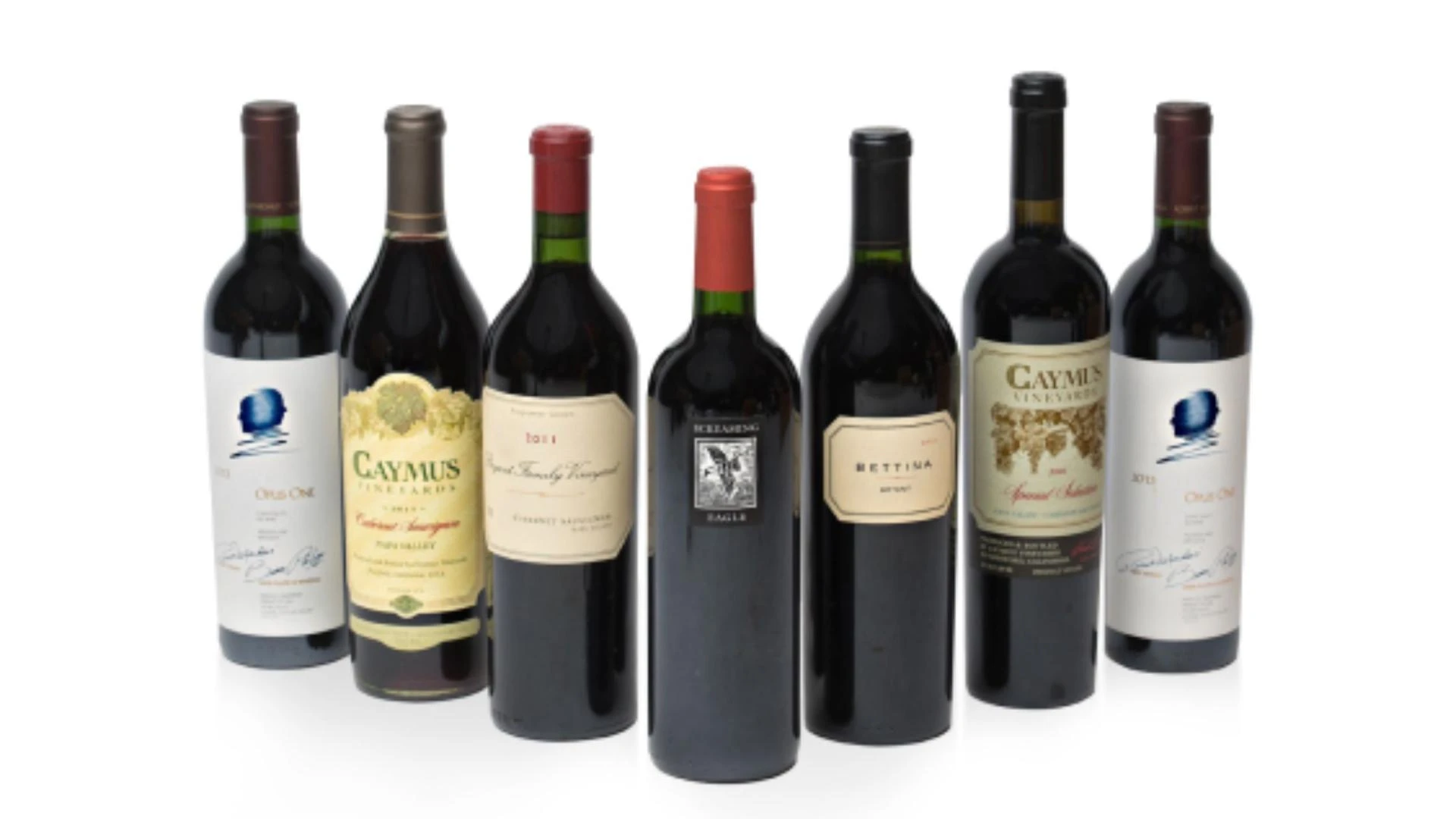

Selling wine is no longer limited to local shops or auctions. Today, collectors use various digital platforms to connect with buyers around the world. But one major concern remains, authentication. Before listing your collection, it’s important to verify the value and identity of every bottle. This isn’t just about building trust. It directly affects how much you can earn and how fast your bottles sell.
If you’re wondering where to sell wine online, the options are wide. From specialized wine marketplaces to private collector groups and reseller platforms, online selling offers great flexibility. However, a genuine bottle with clear records always attracts better offers. That’s why authenticating your wine before selling is the first step to success.
Start With Provenance Records
Every collector should keep detailed notes about when and where each bottle was purchased. These records are known as provenance. They help prove that the wine is real and stored well. If you bought directly from a vineyard, keep the receipt or email confirmation. If you picked it up at an auction, hold onto any paperwork from the sale.
Also, if the wine was passed down through generations, write a short history of how it stayed in the family. This can help buyers feel more confident.
Inspect Labels and Packaging Closely
Original labels should not be torn or faded. A missing or damaged label may raise questions. Also, check the bottle’s capsule, the covering on top. Is it sealed correctly? Is there any mold, rust, or leakage? These signs matter. Clean, complete packaging gives a strong first impression.
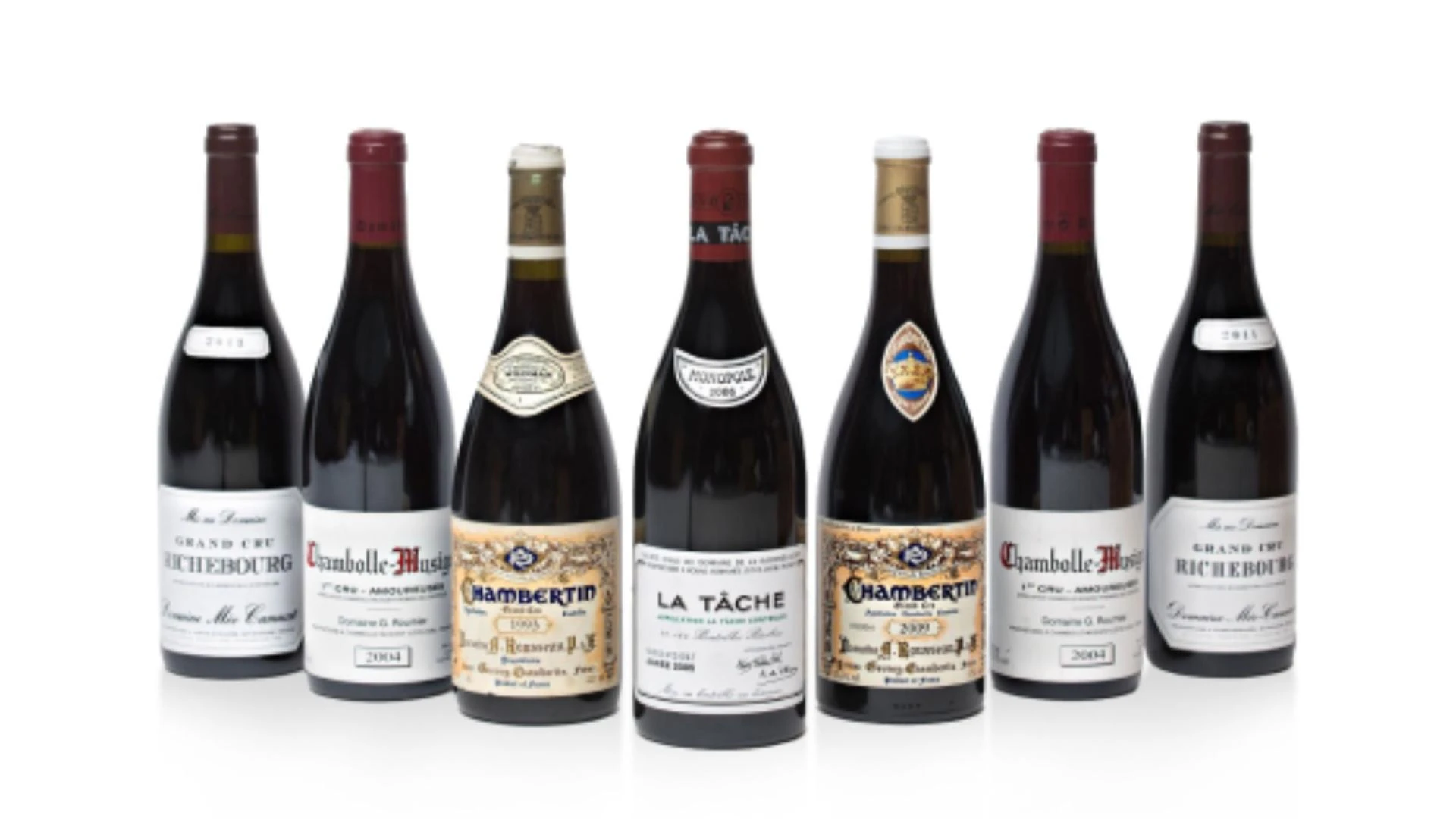
Compare your label and bottle to official photos from the winery. If anything looks different like font, color, or logo, it’s worth checking further.
Verify Serial Numbers or Barcodes
Some wineries print serial numbers or barcodes on rare or high-value wines. These can be traced online or verified with the producer. If your bottle has one, search the number on the winery’s official site or reach out directly.
A verified serial number removes most doubt. It’s a quick step that adds major value when selling.
Check Fill Level and Cork Condition
Wine levels drop slowly over time. But if a bottle from 2015 has a very low fill, buyers may worry about leaks or storage issues. For older bottles, a slight drop is normal. Still, be honest in your listing and share photos.
Also, look at the cork through the glass. If it’s too dry or cracked, it could affect the wine inside. This is something collectors care about, so always mention cork conditions clearly.
Use a Trusted Third-Party Authentication Service
If you’re not sure how to judge a bottle’s authenticity, there’s help available. Some companies offer expert wine authentication. You send them the bottle (or photos), and they give you a full report. This report can boost your listing and make it easier to sell at your asking price.
Some platforms also require this kind of check before allowing you to list expensive wines.
Take High-Quality Photos and Write Clear Descriptions
Photos are your proof. Take pictures from all angles—front, back, cork, capsule, and label. Use natural light. Don’t use filters or edit the images. Show the bottle as it really looks.
When writing your listing, be honest and simple. Include the vintage, producer, region, alcohol level, and storage conditions. Don’t leave out flaws. Buyers appreciate honesty.
Highlight Wine Storage Conditions
Buyers want to know how your wine was stored. Was it in a wine fridge? A cellar? Kept at stable temperatures? These small details help prove the wine stayed in good shape. Add this to your listing and your bottle will stand out.
If you’ve used climate control, mention it. If it’s been in dark, cool storage, say so. These facts add real value.
Key Reflections
Once your wine is verified, selling becomes easier. You’ve done the work. Now it's time to list your bottles where they’ll be seen and appreciated.
Explore trusted platforms to sell your wine, ones that support collectors, offer clear listing tools, and attract serious buyers. The more prepared and transparent you are, the more confident your buyers will be. In this space, trust builds price, and price builds profit. Taking these steps to authenticate bottles before selling online doesn’t just protect your name as a collector. It helps ensure your wine ends up with someone who values it as much as you did.


























Sign in to leave a comment.