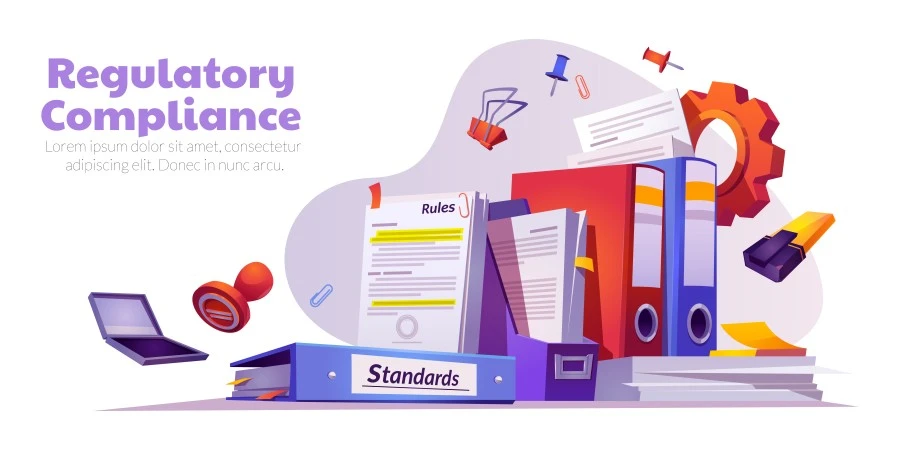

In today’s highly regulated business environment, staying compliant with industry standards, local regulations, and international laws is not only essential for avoiding legal issues but also for maintaining a reputable brand. For businesses of all sizes, managing compliance can be complex and time-consuming. However, Compliance Management Software (CMS) has emerged as a powerful tool that can significantly streamline business operations, enhance productivity, and reduce the risk of non-compliance.
What is Compliance Management Software?
Compliance Management Software is a digital solution designed to help businesses track, manage, and report their adherence to legal and regulatory standards. It centralizes compliance tasks, automates processes, and ensures that all business practices are aligned with applicable laws. By integrating compliance workflows into one system, businesses can better manage audits, risk assessments, and reporting, all while saving time and minimizing errors.
How Compliance Management Software Enhances Business Operations
1. Automation of Compliance Tasks
Compliance involves multiple processes such as reporting, audits, training, and assessments, each with deadlines and requirements. Managing these manually can be overwhelming, especially when your business is expanding. Compliance Management Software automates routine compliance tasks, including the creation of reports, scheduling audits, and updating policies. This not only saves time but also ensures that no task is overlooked, improving efficiency across departments.
2. Centralized Data Management
One of the biggest challenges businesses face when managing compliance is handling large volumes of data from various sources. Compliance management software consolidates all data in one secure platform, making it easily accessible and organized. Whether it's regulatory guidelines, audit trails, or employee training records, everything is stored in a centralized repository, making it easier to monitor and retrieve when needed.
3. Real-Time Monitoring and Reporting
With dynamic regulations that constantly change, businesses must stay on top of compliance requirements to avoid penalties. Compliance software offers real-time monitoring capabilities, helping businesses track their compliance status at all times. Automated alerts and notifications ensure that businesses are always aware of upcoming deadlines, regulation changes, or areas that require attention. The software also generates accurate, real-time reports, making it easier for stakeholders to make informed decisions based on up-to-date information.
4. Improved Risk Management
Managing compliance risks is a critical aspect of any business operation. Compliance management software provides tools to identify, assess, and mitigate risks effectively. By automating the risk assessment process, businesses can quickly identify areas of vulnerability and take corrective action before any issues escalate. This proactive approach reduces the likelihood of compliance breaches and the associated costs, which can include fines, penalties, and reputational damage.
5. Enhanced Audit Readiness
Regular audits are necessary to ensure that businesses remain compliant with regulations. However, preparing for audits can be a tedious process, requiring businesses to gather large amounts of documentation and ensure accuracy. With compliance management software, businesses can store all audit-related documents in one place, making audit preparation much smoother. The software also tracks audit trails, which provide an accurate history of all compliance-related activities, simplifying the audit process and ensuring businesses are always ready for inspections.
6. Facilitating Collaboration Across Teams
Compliance is not the responsibility of just one department; it involves various teams, including legal, finance, HR, and operations. A compliance management system fosters collaboration by providing a unified platform where teams can work together. The software allows for secure communication, document sharing, and task assignment, ensuring that everyone is on the same page and working towards the same compliance goals.
7. Cost Savings
While implementing compliance management software involves an initial investment, the long-term cost savings are significant. By automating processes and reducing the risk of compliance failures, businesses can avoid costly fines and legal fees. Additionally, the software reduces the need for manual labor, allowing staff to focus on more value-added tasks. Ultimately, businesses that leverage compliance management software experience a positive return on investment (ROI) by reducing operational costs and improving efficiency.
Industry-Specific Benefits of Compliance Management Software
Different industries face unique regulatory challenges, and compliance management systems can be customized to meet the specific needs of each sector. For example:
- Healthcare: Compliance management software helps healthcare providers meet HIPAA regulations, streamline patient data management, and reduce the risk of breaches.
- Finance: In the finance sector, businesses can use CMS to track compliance with regulations like the Sarbanes-Oxley Act (SOX) and Anti-Money Laundering (AML) requirements.
- Manufacturing: CMS ensures that manufacturers adhere to safety and environmental regulations, minimizing the risk of accidents and legal issues.
By aligning compliance software with industry-specific regulations, businesses can ensure they meet the required standards while maintaining smooth operations.
Key Features to Look for in Compliance Management Software
When choosing the right compliance management software for your business, it’s important to look for the following features:
- Customizable Workflows: Tailor the software to fit your organization’s specific compliance needs.
- Document Management: Centralize all compliance-related documents and ensure easy access for all teams.
- Audit Trails: Track all compliance activities to ensure full transparency during audits.
- Reporting and Analytics: Generate detailed reports and insights to track compliance progress.
- Real-Time Alerts: Stay updated on upcoming deadlines, regulatory changes, and potential risks.
Conclusion
In today’s complex regulatory landscape, Compliance Management Software is more than just a tool—it’s a vital asset that helps businesses streamline their operations, reduce risks, and ensure they stay compliant with ever-changing regulations. By automating tasks, centralizing data, and improving collaboration, compliance software allows businesses to focus on what matters most: growth and profitability.
Implementing compliance management software not only simplifies compliance but also improves overall operational efficiency. For businesses looking to stay ahead in a competitive marketplace, embracing compliance management software is a smart and necessary move.





























Sign in to leave a comment.