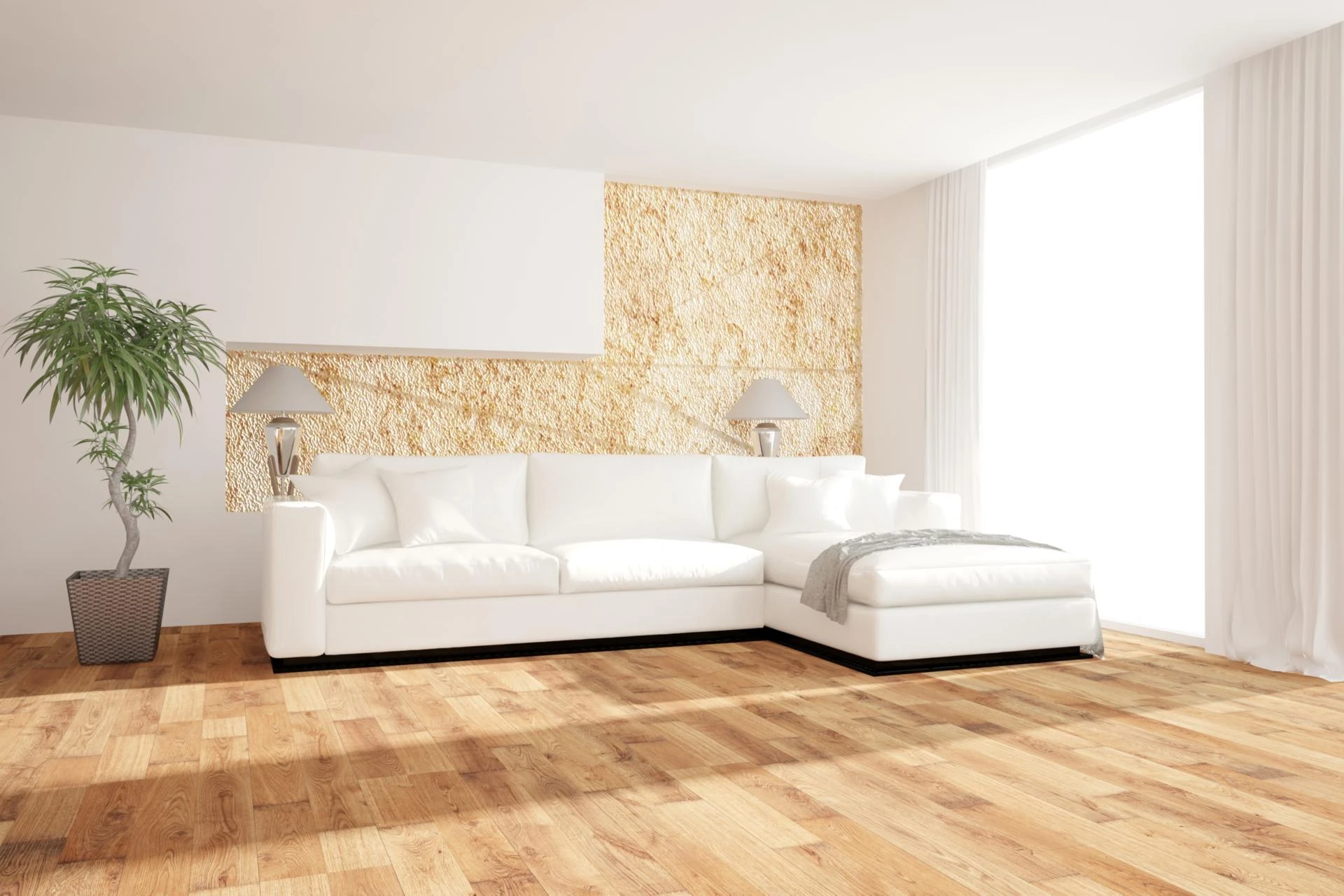

Modern flooring applications are witnessing a rise in a plethora of materials that are gaining prominence worldwide. People are no longer just choosing based on the aesthetic looks. They prefer a balance between durability, stability, and aesthetics. The traditional hardwood undoubtedly has a high visual appeal, but it can expand, shrink, or warp when the weather changes. That’s where engineered wood stands out, offering significant advantages over traditional hardwood flooring. It is designed to handle various climatic conditions and combines elegance with high durability. Hence, it has emerged as a popular choice for areas exposed to fluctuating temperatures and high humidity.
The chief reason that enhances the overall performance of this type of flooring is the use of cross-lamination during construction. It is a highly advanced layering method that places the wood grains at appropriate angles to each other, thereby cutting down the weak points of the timber. This results in a structure that not only retains its shape but also prevents warping while standing strong against environmental stress. Some floorings are prone to issues such as direct sunlight exposure, heating problems in the subfloor, and accidental spills. For such floors, the heat and moisture resistance is not just an option but a necessity.
A cross-laminated engineered wood helps maintain its integrity even in severe conditions, including extreme heat and cold. With its smart designs and the charm of natural wood, it has emerged as the top choice for homes and commercial areas.
Understanding the Basics of Cross-Laminated Engineered Wood
Cross-laminated engineered wood is an emerging type of flooring that is carefully crafted to strengthen and stabilize the natural wood. Compared to solid hardwood, which comes from a single piece of timber, this type of wood is constructed from several layers pressed and glued together under heat. The striking feature is the way in which each layer is placed at a right angle to the one below, known as the cross-lamination technique. This structure helps prevent the wood from swelling, shrinking, or warping when temperature or humidity levels change.
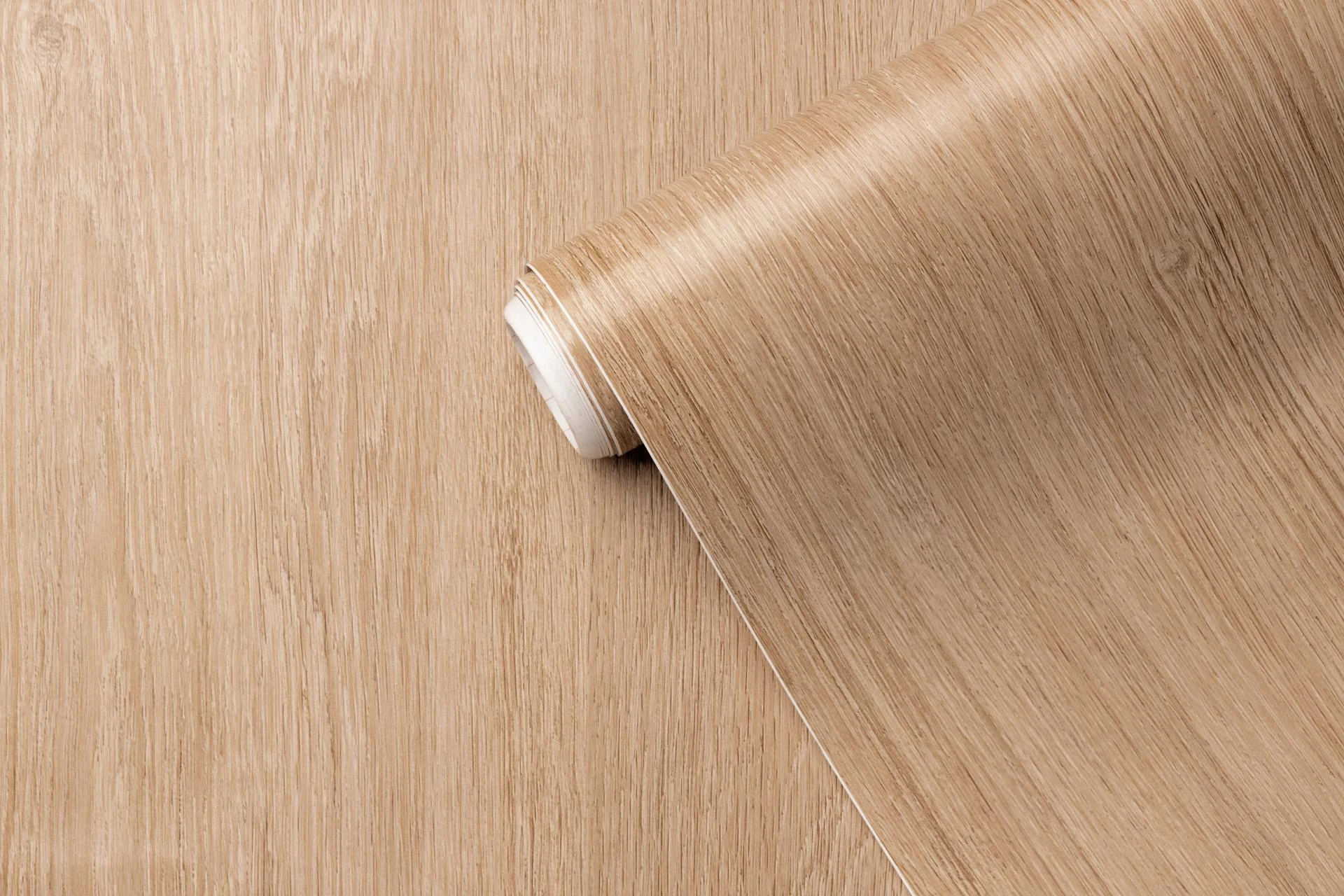
The materials for this type of wood flooring are selected very carefully to craft it in a smart way. One can find the topmost layer of this type of flooring made from hardwood veneers, including oak, maple, and teak. They are chosen not only for their durability but also for the natural beauty that they bring to a space. Beneath that layer is the core, which may be crafted from plywood, high-density fiberboard (HDF), or softwood strips such as spruce or pine. Each layer is arranged in a cross-laminated pattern and bonded together with strong, moisture-resistant adhesives, ensuring the floor stays stable and long-lasting. In some modern options, eco-friendly resins or bonding agents are used, which boost both durability and environmental benefits.
There are several benefits that come with the cross-laminated engineered wood. Right from moisture-resistant ability to better heat tolerance feature, these types of woods are built in a way that is able to hold up in extreme heat without compromising the structure. It also possesses heightened load-bearing capacity, thereby making it highly resistant to dents. It comes with various design flexibility, offering diverse finishes.
How do Cross-Laminated Layers Prevent Heat?
Perhaps the most significant challenge that wood flooring deals with is changes in temperature. In hot conditions or with underfloor heating, the wood naturally expands, and when things cool down, it contracts again. This continuous change tends to cause various issues such as warping, cupping, or cracking in solid hardwood floors. However, with cross-laminated engineered wood, these problems can be easily avoided owing to its innovative and smart layered designs.
Each of the layers is placed in such a way that the grain runs in different directions. The crisscross pattern helps spread heat uniformly, thereby preventing the board from expanding or contracting in any particular direction. This ensures better stability and less risk of visible damage.
Additionally, these wooden floorings have the advantage of handling the specific heating spot better than solid wood floors, which tend to expand unevenly in these areas. In contrast, the layered structure of these engineered wooden floors distributes the stress evenly, maintaining a smooth surface. As a matter of fact, the heat-resistant factor is not only about this wood.
The primary factor lies in the strong heat-resistant adhesives that keep the layers firmly bonded, even under high temperatures. In the current phase, the finishes add a layer of UV protection, shielding the floors from direct sun exposure and preserving their aesthetics for a longer period.
How Cross-Laminated Layers Resist Moisture Damage?
Moisture is another significant threat to the wooden floors. If a wood absorbs water, it tends to swell up, and after it dries, it shrinks. This continuous swelling and shrinking over time leads to the creation of gaps, buckling, or damage to the surface. This is why spaces like bathrooms, kitchens, and areas with high humidity are especially prone to risk with traditional hardwood floors.
On the other hand, the cross-laminated engineered wood can easily combat this challenge. It is crafted in a way where the layers are designed so that the grains run in a different direction. With this interwoven design, the moisture movement across the wood is slowed down, thereby making the travel of the water into the deep more difficult. Thai reduces the swelling and shrinkage while the floor retains its shape.
Additionally, the adhesives used to bond the floor layers have water-resistant properties. It acts as a protective shield that prevents the moisture from breaking the bonds. Some brands even use top-quality options, such as marine-grade glues, which offer added durability in damp and humid conditions.
These wooden floors also receive added protection from polyurethane, UV-cured coatings, or water-repellent sealants on the joints, which help prevent spills or humidity from seeping in. These engineered wooden floors are not completely water-resistant, but are highly capable of handling the spill issues and humidity problems that the hardwood floors are unable to withstand.
Final Thoughts
The popularity of engineered wooden floors is slowly overshadowing the preference for hardwood floors for people residing in locations with high humidity. The cross-laminated engineered wood combines the timeless aesthetics of a real wooden structure with the modern construction method, thereby addressing the major challenges of heat and moisture. By opting for this kind of wooden floor, people are making a conscious choice. This type of flooring is able to withstand environmental stresses far better, making it an ideal option for contemporary interior design styles. The added benefits include long-lasting durability, improved performance, and enhanced visual appeal.

























Sign in to leave a comment.