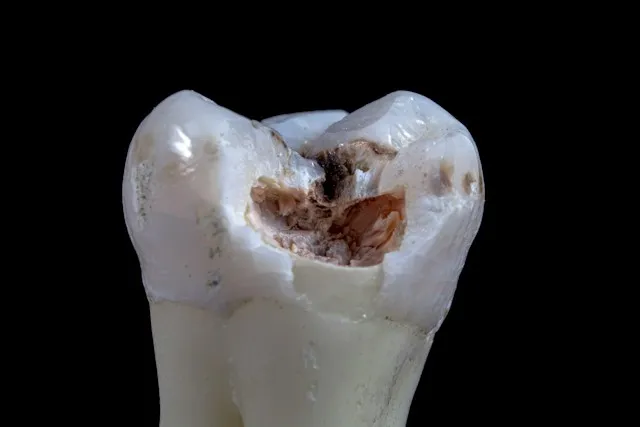

When a tooth suffers from decay, trauma, or disease, the options for restoring your smile have never been more effective. Modern dentistry offers several proven methods to replace damaged teeth, each tailored to different situations and patient needs. Understanding these replacement options helps you make an informed decision with your dental professional about which approach works best for your specific circumstances. Whether your tooth damage resulted from an accident, disease, or years of wear, restorative solutions exist that can restore both function and appearance.
1. Dental Fillings for Minor Damage
Dental fillings represent one of the most common and straightforward solutions for teeth with minor to moderate damage. When decay or a small chip affects only the outer layers of a tooth, a filling can effectively restore the tooth's structure and prevent further deterioration. Your dentist will remove the damaged portion of the tooth and clean the area thoroughly before filling it with a suitable material. Modern composite fillings match your natural tooth color closely, making them an aesthetically pleasing option for visible teeth. The procedure is typically completed in a single appointment and requires minimal recovery time, allowing you to return to normal activities immediately. Fillings can last many years with proper care and regular dental maintenance, making them a cost-effective solution for preserving your natural tooth.
2. Dental Crowns for Extensive Damage
When a tooth has experienced significant damage that extends beyond what a filling can repair, a dental crown becomes the preferred restorative option. A crown is a tooth-shaped cap that covers the entire visible portion of a damaged tooth, providing strength and protection while restoring its appearance. Your dentist will prepare the damaged tooth by removing decayed material and shaping it to accommodate the crown, then take a mold to ensure a precise fit. Crowns can be crafted from porcelain, ceramic, metal, or a combination of materials depending on the tooth's location and your aesthetic preferences. The crown is typically placed during a second appointment after it has been custom-made to match your surrounding teeth. A properly placed crown can last ten to fifteen years or longer and restores full biting and chewing function to the affected tooth.
3. Root Canal Therapy with Restoration
Teeth with damaged or infected pulp tissue may require root canal therapy, a treatment designed to save the tooth from extraction. During a root canal procedure, your dentist removes the infected or damaged pulp from inside the tooth, cleans the canal system, and fills it with a sterile material. Once the internal damage has been addressed, the tooth structure must be restored because it becomes fragile and prone to fracturing under pressure. Most teeth that have undergone root canal therapy are crowned to provide strength and protect the tooth from breaking under biting force. Although root canals have a reputation for being painful, modern techniques and anesthetics make the procedure no more uncomfortable than having a filling placed. Saving your natural tooth through root canal therapy is often preferable to extraction when the tooth's structure can be preserved and restored successfully.
4. Dental Implants for Missing Teeth
When a tooth is so severely damaged that it cannot be saved, dental implants offer the most sophisticated replacement option available today. A dental implant consists of a titanium post surgically placed in the jawbone, serving as an artificial tooth root and topped with a custom-made crown. The implant procedure typically requires several months for the bone to integrate with the titanium post before the crown can be attached, but this integration creates exceptional stability. Unlike other replacement options, implants stimulate the jawbone, which helps preserve bone structure and prevent the facial changes associated with missing teeth. Patients preparing for implant placement rely on oral surgery in Cleburne to ensure the surgical phase is performed with precision, giving the titanium post the best conditions for successful bone integration. Implants require the same oral hygiene practices as natural teeth and, with proper care, can last a lifetime.
5. Dental Bridges for Replacing Missing Teeth
Dental bridges provide a traditional solution for replacing one or more missing teeth by anchoring artificial teeth to the adjacent natural teeth. A bridge consists of one or more artificial teeth held in place by crowns attached to the teeth on either side of the gap. Your dentist will prepare the anchor teeth by removing a portion of their enamel to accommodate the supporting crowns, then create a bridge custom-made to your mouth. Bridges restore your ability to eat and speak normally while preventing remaining teeth from shifting into the gap left by the missing tooth. The procedure typically requires two appointments and does not involve surgery, making it a less invasive option than implants. While bridges are less expensive than implants and can be effective for several years, they do require modification of healthy adjacent teeth and may eventually need replacement as those teeth age.
Conclusion
Successfully replacing damaged teeth depends on accurately assessing the extent of damage and choosing the restoration method that best suits your individual situation. From simple fillings for minor chips to dental implants for completely missing teeth, modern dentistry offers effective solutions at every level of tooth damage. Your dental professional can evaluate your damaged teeth and recommend the most appropriate treatment based on factors such as the tooth's location, the extent of damage, your budget, and your long-term goals. Each restoration option has distinct advantages, and what works best for one patient may differ for another based on their unique circumstances. By understanding these replacement options, you can have a productive conversation with your dentist about restoring your smile and maintaining optimal oral health for years to come.




























Sign in to leave a comment.