
Introduction
Carpet adds insulation, comfort, and sound absorption to indoor spaces. Its fibres also collect dust, pollen, pet dander, skin flakes, soil, and liquid residue. Routine vacuuming removes loose material near the surface, but compacted particles often remain below the pile. Deep carpet cleaning extracts this hidden burden, helping reduce airborne irritants, persistent odours, and fibre wear. Used alongside ventilation and regular housekeeping, professional treatment supports cleaner rooms and healthier daily living conditions.
1. Surface Cleaning Has Limits
Vacuuming remains essential for everyday maintenance. Regular carpet cleaning in Ormeau can complement vacuuming by addressing dirt and contaminants that household equipment may not reach. Slow, overlapping passes remove crumbs, loose grit, and some settled particles. Dense pile, however, can hold contaminants below the reach of household equipment. Foot traffic presses soil deeper and grinds abrasive particles against individual fibres. Deep carpet cleaning addresses this concealed build-up, improving floor hygiene while reducing the material that movement can disturb.
2. Deep Extraction Reaches Hidden Soil
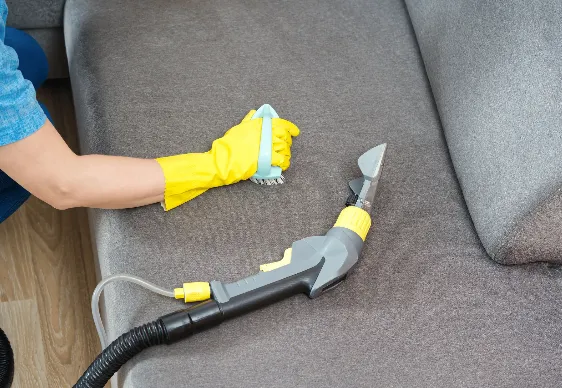
Professional extraction combines controlled moisture, appropriate detergent, mechanical agitation, and strong suction. Agitation separates soil from fibres, while extraction removes suspended residue and excess solution. Hot water methods may reach lower pile sections and areas near the backing. Results depend on fibre composition, dye stability, machine settings, technician training, and drying conditions. Each factor affects cleanliness, appearance, and material preservation.
3. Allergy Triggers Can Be Reduced
Carpet may retain pollen, pet flakes, dust mite fragments, and fungal particles. Sensitive occupants can experience nasal irritation, sneezing, cough, or eye discomfort after exposure. Thorough extraction removes some of this material from floor coverings. No cleaning method removes every trigger because upholstery, bedding, curtains, and vents collect residue too. Still, reducing floor-based contamination can support better symptom control.
4. Odour Sources Need Removal
Fragrance sprays often cover odours without addressing their cause. Fibres can absorb food particles, urine, sweat, oils, and moisture. Bacterial activity may then produce smells that return after surface drying. Effective treatment identifies the affected area, removes organic residue, and applies a compatible neutralising product. Complete drying remains essential because damp materials can preserve musty odours and encourage further microbial activity.
5. Moisture Control Protects Indoor Conditions
Excess water creates risks beneath the visible pile. Damp backing or padding can support microbial growth, leave a musty smell, and weaken adhesives. Proper extraction removes as much moisture as possible during treatment. Fans, ventilation, moderate humidity, and open airflow shorten drying time. Technicians should inspect saturated padding because hidden moisture may remain after the upper fibres feel dry.
6. Cleaner Flooring Supports Hygiene
Entryways, corridors, stairs, dining areas, and play spaces receive the greatest soil load. Shoes, paws, dropped food, and moving furniture transfer outdoor residue across these surfaces. Deep extraction removes much of that accumulation from high-contact sections. Cleaning should reflect actual use rather than follow an identical pattern in every room. Targeted service often produces greater sanitary benefit with less moisture.
7. Cleaning Frequency Depends on Use
Traffic levels determine how quickly carpet accumulates debris. Homes with pets, young children, smokers, or frequent visitors may need professional treatment several times annually. Lightly used bedrooms may require less attention. Door mats, indoor footwear, immediate spill care, and consistent vacuuming reduce daily loading. Property managers can review visible soil, odour reports, occupancy, and sensitivity concerns before setting service intervals.
8. Safe Products Matter
Cleaning agents must suit the fibre, backing, dye, and contamination type. Excess detergent can leave a sticky film that attracts fresh soil. Highly alkaline or solvent-based formulas may weaken fibres, alter colour, or irritate sensitive occupants. A qualified technician tests an inconspicuous area before application. Product labels, dilution ratios, extraction volume, ventilation, and re-entry guidance all deserve careful attention.
9. Better Maintenance Extends Carpet Life
Grit acts as an abrasive under repeated footsteps. Each movement bends and cuts fibres, especially along entrances and narrow travel paths. Removing that material helps limit premature matting and surface wear. Professional extraction can also improve pile appearance by removing residue that causes stiffness or dullness. It cannot repair permanent stains, delamination, or damaged backing. Preventive care remains the stronger long-term strategy.
10. A Practical Cleanliness Plan
A sound programme combines frequent household care with scheduled extraction. Vacuum busy routes slowly, emptying the canister before airflow declines. Blot spills promptly, using clean cloths rather than vigorous rubbing. Place absorbent mats at entrances and maintain heating, ventilation, and filtration equipment. Periodic professional treatment then removes accumulated material that daily routines cannot reach. Each measure addresses a different contamination pathway.
Conclusion
Deep carpet cleaning improves indoor cleanliness by extracting embedded soil, odour-producing residue, allergens, and abrasive grit. Its benefits depend on suitable products, controlled moisture, thorough suction, and complete drying. Occupants support those results through regular vacuuming, entrance mats, prompt spill response, and sensible ventilation. This combined approach keeps flooring cleaner, limits particle release, protects carpet fibres, and supports a fresher indoor setting for households and workplaces.

























Sign in to leave a comment.