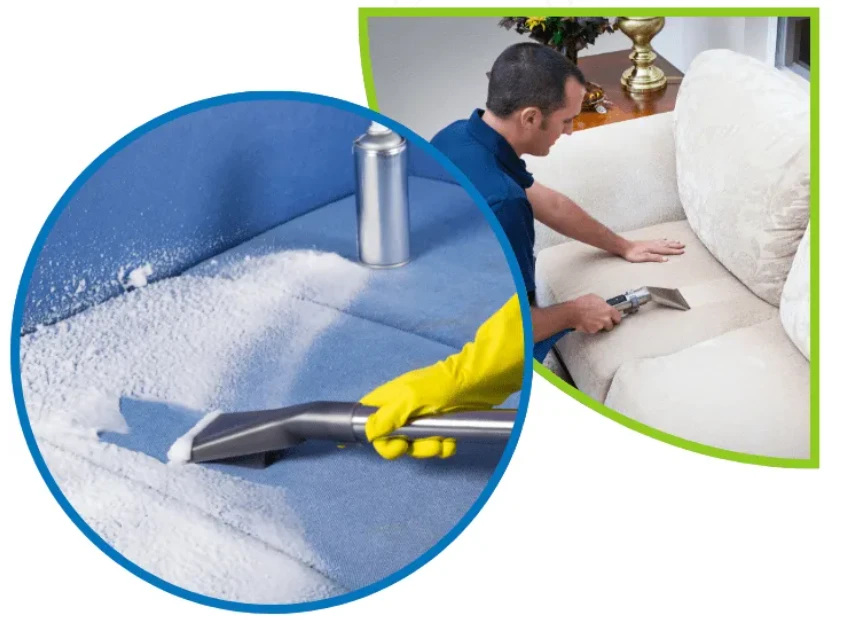

When most people think of air quality, they picture filters, ventilation, or purifiers. However, the fabrics inside a home—carpets, curtains, sofas, and upholstered furniture—play just as significant a role in the air we breathe. These materials act as silent collectors of dust, pollen, smoke residue, and microscopic particles that eventually circulate through the indoor atmosphere.
Professional upholstery cleaning in Calgary and routine carpet care aren’t just aesthetic upgrades; they’re vital steps in maintaining a healthier home environment. By regularly removing built-up allergens and contaminants, homeowners can enjoy fresher air, fewer respiratory irritants, and a noticeably cleaner living space.
What Hides in Carpets and Upholstery
Even in tidy homes, soft surfaces naturally trap airborne particles and pollutants. Over time, these substances accumulate, forming a hidden layer of grime. Common contaminants include:
· Dust mites and dander that feed on dead skin cells
· Outdoor pollutants tracked in on shoes or pets
· Pollen and spores carried through open windows
· Cooking fumes that cling to fibres
· Residual smoke or odours absorbed from candles or fireplaces
Without proper cleaning, these pollutants remain trapped, slowly degrading indoor air quality and causing musty odours.
How Dirty Carpets Affect Breathing and Allergies
For anyone with asthma, allergies, or sensitivities, dirty carpets can significantly worsen symptoms. Every step releases microscopic particles into the air. Over time, this contributes to:
· Sneezing, itchy eyes, or sinus irritation
· Dry throat and coughing
· Fatigue from low-level exposure to allergens
A professional cleaning process eliminates these triggers, allowing the air to feel lighter and cleaner almost immediately.
The Science Behind Deep Carpet and Upholstery Cleaning
Hot Water Extraction
This method uses heated water and a cleaning solution to loosen embedded dirt before powerful suction extracts it. It not only cleans but also sanitises, removing bacteria and odour-causing microbes.
Low-Moisture Encapsulation
Encapsulation involves spraying a special cleaning agent that binds to dirt, forming crystals that are vacuumed away once dry. This process is ideal for quick drying times and energy efficiency.
Steam Cleaning for Upholstery
Steam effectively dissolves grease and kills germs without harsh chemicals. It’s perfect for synthetic fabrics that can handle heat.
Professional cleaners determine which method works best based on fibre type, stain severity, and fabric condition.
How Professional Cleaning Differs from DIY
Home carpet machines can help with surface dirt, but they rarely penetrate deep enough to remove allergens. They often leave excess water behind, increasing the risk of mould or mildew.
By contrast, hiring a professional carpet cleaner in Airdrie ensures:
· Complete extraction of moisture and residue
· Balanced detergent use that protects fabric integrity
· Consistent results through industrial-grade machinery
· Faster drying that prevents odour or bacterial regrowth
The difference in freshness and comfort is immediate and long-lasting.
How Regular Cleaning Contributes to Air Quality
Clean carpets and upholstery act as filters that continue to trap dust effectively—as long as they aren’t overloaded with dirt. Once saturated, they release contaminants with every footstep or cushion press.
Routine professional cleaning resets this filtration cycle. Removing accumulated soil and allergens reduces airborne dust, leading to noticeable improvements in air freshness and overall comfort.
Ideal Cleaning Frequency for Healthier Homes
The best schedule depends on lifestyle and household activity:
· Every 6–12 months for standard households
· Every 3–6 months for families with pets or young children
· Seasonally for homes in dusty or humid climates
Regular maintenance prevents pollutants from building up and helps maintain fabric softness and colour vibrancy.
Eco-Friendly Cleaning and the Canadian Climate
Canada’s climate brings unique cleaning challenges—winter road salt, spring pollen, and fluctuating humidity levels. Choosing eco-friendly cleaning products reduces chemical residues while maintaining efficiency across all seasons.
Modern cleaning solutions use biodegradable ingredients, low-water systems, and energy-efficient machines that protect both your home and the environment. This approach aligns with Canada’s growing commitment to sustainability and healthy living.
Preventing Indoor Pollutants After Cleaning
To keep the air clean after a professional service:
· Use doormats and shoe racks to limit outdoor dirt tracking
· Vacuum weekly with HEPA filters to remove fine dust
· Keep pets groomed to reduce shedding and dander
· Avoid burning candles or smoking indoors, which leave residue
· Maintain indoor humidity levels between 40–50% to prevent mould
These small habits amplify the results of deep cleaning and keep the home environment consistently fresh.
Signs It’s Time for a Professional Clean
Even when surfaces appear clean, a few indicators suggest deep cleaning is due:
· Persistent musty or stale odours
· Visible dullness or darkened traffic areas
· Sneezing or congestion that worsens indoors
· Increased static electricity in carpets
· Fabric that feels rough or sticky
Addressing these signs early prevents permanent staining or fibre damage.
The Connection Between Clean Surfaces and Mental Well-being
A clean, odour-free home has measurable effects on mood and focus. Studies show that tidy spaces promote relaxation and reduce anxiety. When carpets and furniture are free from dust and smells, the entire home feels more peaceful and energising.
This connection between cleanliness and emotional wellness highlights why deep cleaning should be part of a household’s self-care routine.
Final Thoughts
Deep cleaning is about more than aesthetics—it’s about health, comfort, and environmental balance. Regular carpet and upholstery care helps remove pollutants, restore fabric freshness, and improve the air your family breathes every day. Whether through upholstery cleaning in Calgary or carpet cleaning services in Airdrie, a consistent cleaning routine transforms your home into a cleaner, healthier, and more inviting place to live.




























Sign in to leave a comment.