
Natural Mosquito Prevention Tips for a Safer, Bite-Free Home
Mosquitoes are more than just an annoying pest. They can disrupt outdoor activities, disturb sleep, and even spread diseases.
While many homeowners rely on chemical sprays and repellents, natural pest control methods can also be highly effective when used consistently.
This guide explores simple, affordable, and eco-friendly mosquito control strategies that can help keep your home and surroundings mosquito-free without relying on harsh chemicals.
You Deserve a Bite-Free Home
Mosquitoes thrive in residential areas where standing water, vegetation, and easy access to homes provide ideal breeding and resting conditions. The good news is that a few preventative measures can significantly reduce mosquito populations around your property.
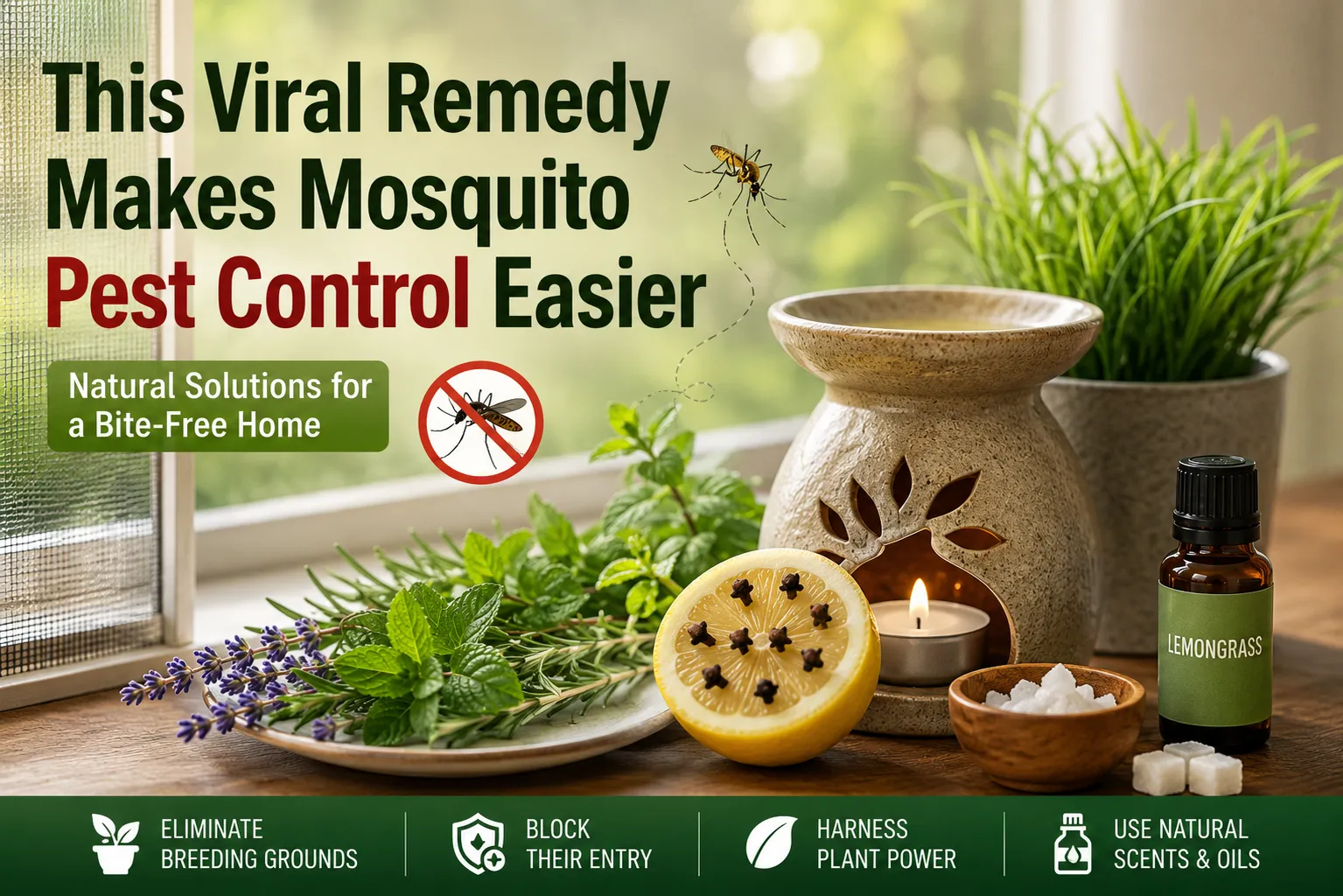
The four core principles of natural mosquito pest control include:
- Eliminate Breeding Grounds
- Block Their Entry
- Harness Plant Power
- Use Natural Scents
By combining these methods, you can create a comprehensive mosquito defense plan for your home.
STEP 1: Eliminate Breeding Grounds
Mosquitoes require stagnant water to lay their eggs. Eliminating these water sources is one of the most effective ways to reduce mosquito populations before they become a problem.
Empty Daily
Regularly empty pet bowls, bird baths, plant saucers, and any containers that collect water. Even small amounts of stagnant water can become breeding grounds.
Clear Gutters
Blocked gutters often trap rainwater and create ideal mosquito habitats. Keep gutters clean and free from leaves and debris.
Cover Storage Containers
Ensure buckets, water tanks, rain barrels, and storage containers are tightly sealed to prevent mosquitoes from accessing water.
Coffee Grounds
Some homeowners use used coffee grounds in puddles or standing water to discourage mosquito larvae from developing.
STEP 2: Block Their Entry
Preventing mosquitoes from entering your home is an important part of mosquito pest control.
Repair Screens
Inspect windows and doors regularly and repair damaged screens to prevent mosquitoes from entering.
Close Doors
Avoid leaving doors and garage entrances open, especially during dawn and dusk when mosquitoes are most active.
Add Door Sweeps
Install door sweeps and weather stripping to seal gaps around exterior doors.
Run Air Conditioning
Air conditioning not only cools your home but also reduces humidity and limits mosquito access through open windows.
STEP 3: Harness Plant Power
Several plants naturally emit scents that mosquitoes dislike. Incorporating these plants into your landscaping can provide an additional layer of protection.
Lavender
Lavender’s pleasant fragrance is loved by people but often avoided by mosquitoes. Plant it near windows, patios, and entryways.
Marigolds
These colorful flowers contain compounds that can help deter mosquitoes and other garden pests.
Lemongrass
Lemongrass contains citronella, a well-known natural mosquito repellent. It grows well in gardens and containers.
Mint & Basil
Mint and basil are easy-to-grow herbs that release strong aromas mosquitoes dislike. Tulsi (Holy Basil) is especially popular for natural pest control.
Rosemary
Rosemary’s strong scent makes it a useful addition to outdoor seating areas and gardens.
STEP 4: Natural Scents & Oils That Work
Natural scents can help repel mosquitoes when used properly around the home.
Camphor
Camphor tablets can be placed on diffuser plates or used according to manufacturer guidelines to create an environment mosquitoes avoid.
Essential Oils
Lemon eucalyptus, peppermint, and tea tree oils are commonly used in diffusers and sprays to help deter mosquitoes.
Lemon + Cloves
Placing cloves into lemon halves creates a simple natural repellent often used in homes and outdoor spaces.
Neem Oil
Diluted neem oil is widely used as a natural mosquito deterrent and can be applied according to recommended safety guidelines.
BONUS TIPS: More Natural Tricks Worth Trying
Eucalyptus Essence
Boiled eucalyptus extracts can be added to homemade sprays or other applications to create a mosquito-repelling aroma.
Garlic Spray
Garlic-infused water sprays are commonly used around entry points and outdoor areas where mosquitoes gather.
Citronella Diffuser
Citronella remains one of the most trusted natural mosquito repellents and can be used in diffusers, candles, or outdoor torches.
Your Complete Mosquito Defense Plan
For the best results, combine multiple mosquito prevention strategies:
Core Defense
Remove standing water and eliminate breeding grounds.
Home Barrier
Seal entry points, repair screens, and keep doors closed.
Garden & Scents
Use mosquito-repelling plants and natural oils throughout your property.
Consistency is key. Small daily actions can significantly reduce mosquito activity around your home.
Enjoy Your Space Again
Natural mosquito pest control doesn’t have to be complicated or expensive. By combining preventative measures, natural repellents, and habitat reduction techniques, homeowners can enjoy safer outdoor spaces and greater comfort indoors.
Why These Methods Work
- 🌿 Natural and eco-friendly
- 💰 Affordable and easy to implement
- ✅ Proven preventative strategies
- 🏡 Suitable for homes and gardens
Need Expert Help? We’re Here.
While natural remedies can help reduce mosquito activity, severe infestations often require professional treatment.
The BugsMan Pest Control Services Team provides reliable pest management solutions for homes and businesses, helping families maintain safe, comfortable, and pest-free environments.
For professional mosquito pest control and expert advice, contact BugsMan Pest Control Services or visit their website for more information.
Also read: DIY vs Professional Cockroach Pest Control — Which is Good?





























Sign in to leave a comment.