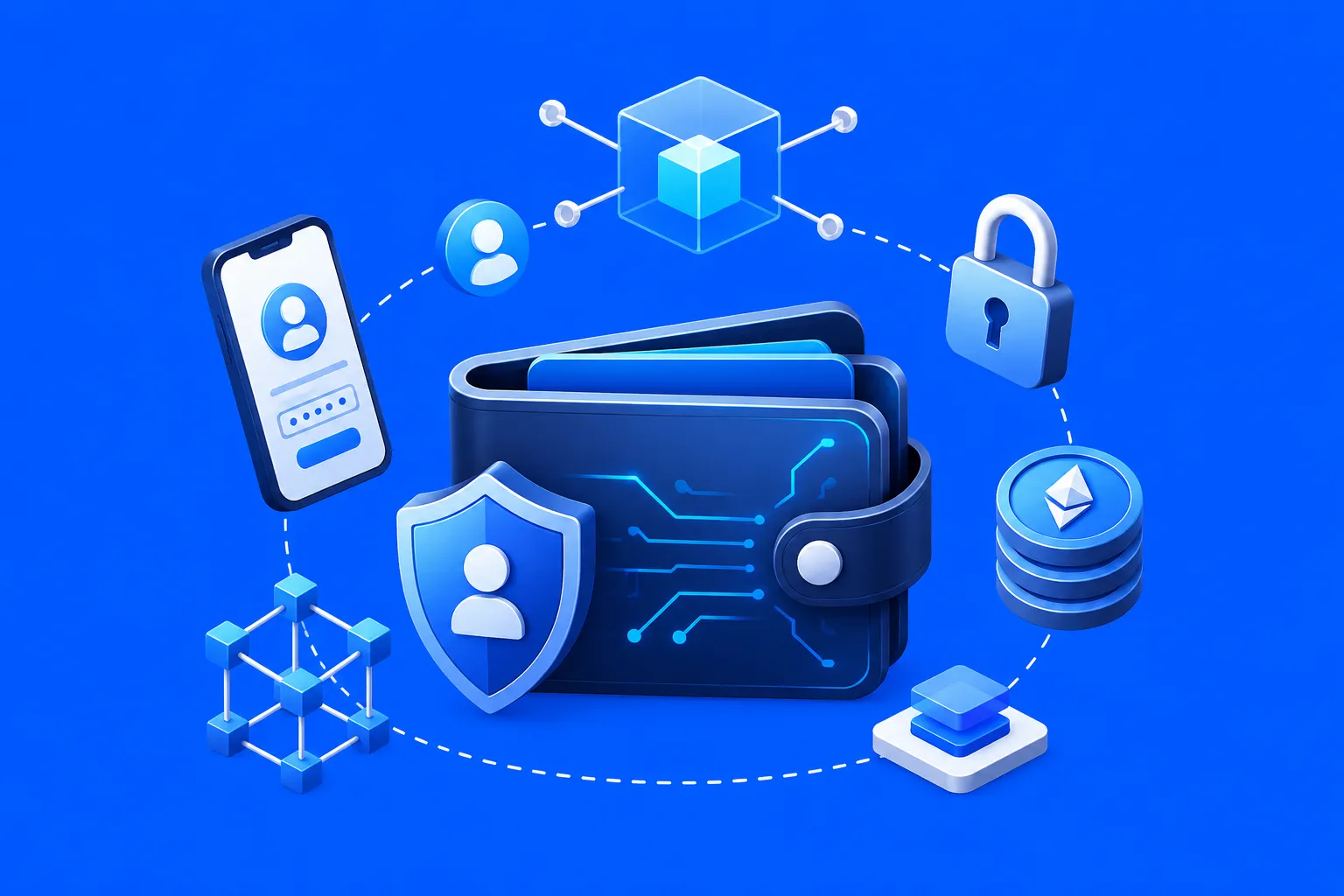

Financial inclusion remains one of the biggest challenges in the modern economy. Despite significant technological advancements, millions of people worldwide still lack access to essential financial services such as savings accounts, lending facilities, investment opportunities, and international payment systems.
Traditional banking infrastructure has helped connect billions of people to the financial system, but barriers such as geographical limitations, high operational costs, and strict eligibility requirements continue to prevent many individuals from participating fully in the global economy.
This is where Decentralized Finance, commonly known as DeFi, is beginning to make a meaningful impact.
Built on blockchain technology, DeFi offers a new approach to financial services by removing unnecessary intermediaries and creating open, accessible systems that anyone with an internet connection can use.
What Is Financial Inclusion?
Financial inclusion refers to providing individuals and businesses with access to useful and affordable financial products and services.
These services may include:
- Savings accounts
- Payment solutions
- Credit facilities
- Insurance products
- Investment opportunities
Access to these services plays a crucial role in economic growth and personal financial stability.
However, many people still face challenges such as:
- Lack of banking infrastructure
- High service fees
- Documentation requirements
- Geographic restrictions
- Limited access to credit
As a result, many individuals remain underserved by traditional financial institutions.
Understanding the Role of DeFi
Decentralized Finance uses blockchain networks and smart contracts to provide financial services without relying on traditional intermediaries.
Instead of requiring approval from centralized institutions, users can interact directly with decentralized applications.
Common DeFi services include:
- Lending and borrowing platforms
- Decentralized exchanges
- Staking solutions
- Digital asset management
- Cross-border payment systems
Because these services operate on blockchain networks, they can often be accessed from virtually anywhere in the world.
Why Accessibility Matters
One of the most important advantages of DeFi is accessibility.
Traditional banking systems often require extensive documentation, minimum account balances, and physical branch networks.
DeFi platforms generally require only:
- Internet access
- A digital wallet
- Compatible blockchain assets
This significantly lowers entry barriers for users who may otherwise struggle to access financial services.
As internet connectivity continues expanding globally, decentralized financial applications may help bring millions of new users into the digital economy.
Faster and More Affordable Transactions
Cross-border transactions remain a major challenge within traditional financial systems.
International transfers often involve:
- Multiple intermediaries
- Currency conversion fees
- Processing delays
- Administrative requirements
Blockchain-powered financial applications can help streamline these processes.
Many DeFi solutions enable near-instant transactions while reducing dependency on traditional payment networks.
For businesses operating internationally, these improvements can translate into greater efficiency and lower operational costs.
Expanding Access to Credit
Access to credit is essential for entrepreneurship, education, and economic growth.
Unfortunately, traditional lending systems often exclude individuals with limited credit histories or restricted access to banking services.
Decentralized lending platforms introduce alternative approaches to credit access.
Using smart contracts, users can borrow and lend assets through transparent blockchain-based systems.
While challenges remain, these platforms have the potential to expand financial opportunities for previously underserved populations.
Transparency Builds Trust
Transparency is another key advantage of decentralized financial systems.
Traditional financial operations often take place behind closed systems where users have limited visibility into processes and transactions.
Blockchain technology changes this dynamic.
Transactions recorded on public blockchains can be independently verified, creating greater transparency and accountability.
This visibility can help improve trust while reducing concerns related to manipulation or unauthorized modifications.
The Importance of Security
As DeFi adoption grows, security remains a top priority.
Users trust decentralized platforms with valuable digital assets, making secure infrastructure essential.
Successful projects typically focus on:
- Smart contract audits
- Continuous monitoring
- Multi-signature security systems
- Risk management procedures
- Infrastructure testing
Many businesses choose to work with a DeFi Development Company to ensure secure and scalable platform development.
Security is not only important for protecting assets but also for building long-term user confidence.
Real-World Asset Tokenization
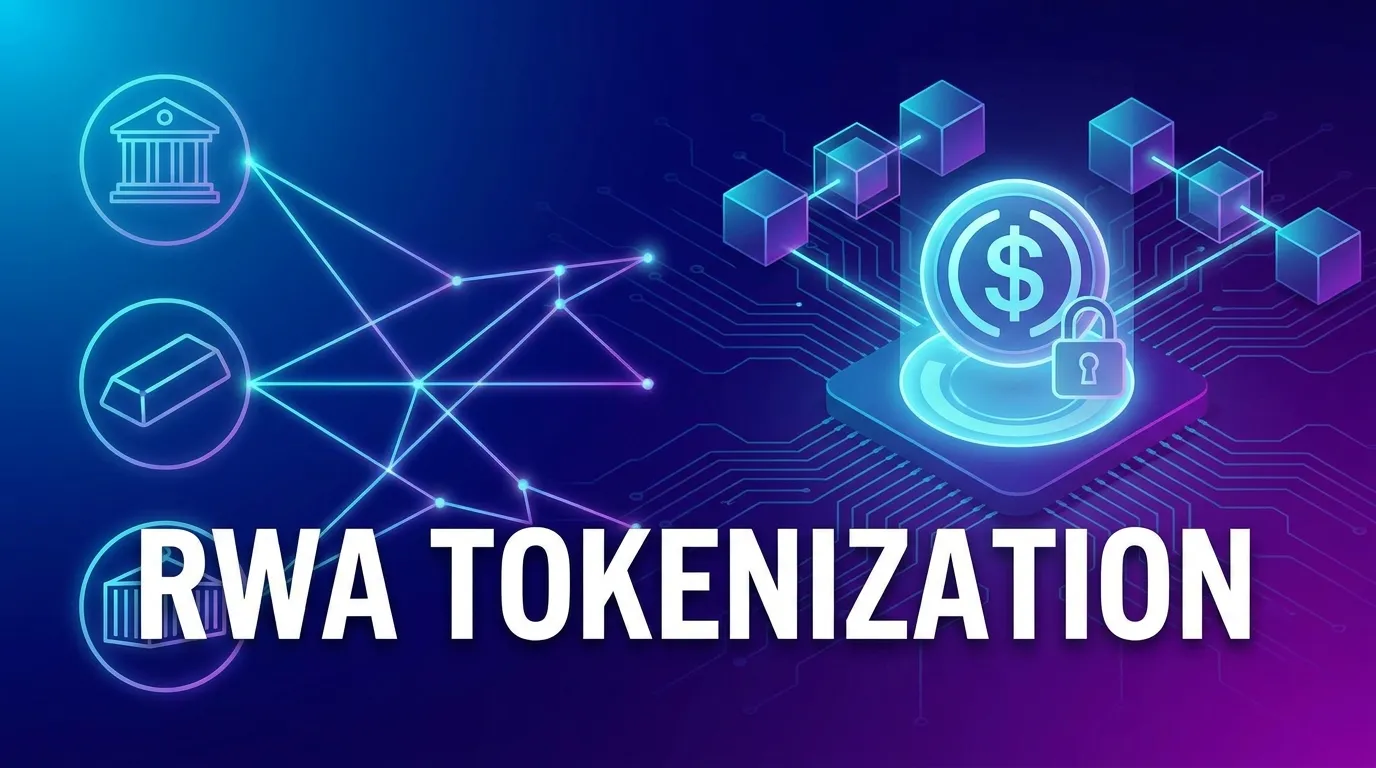
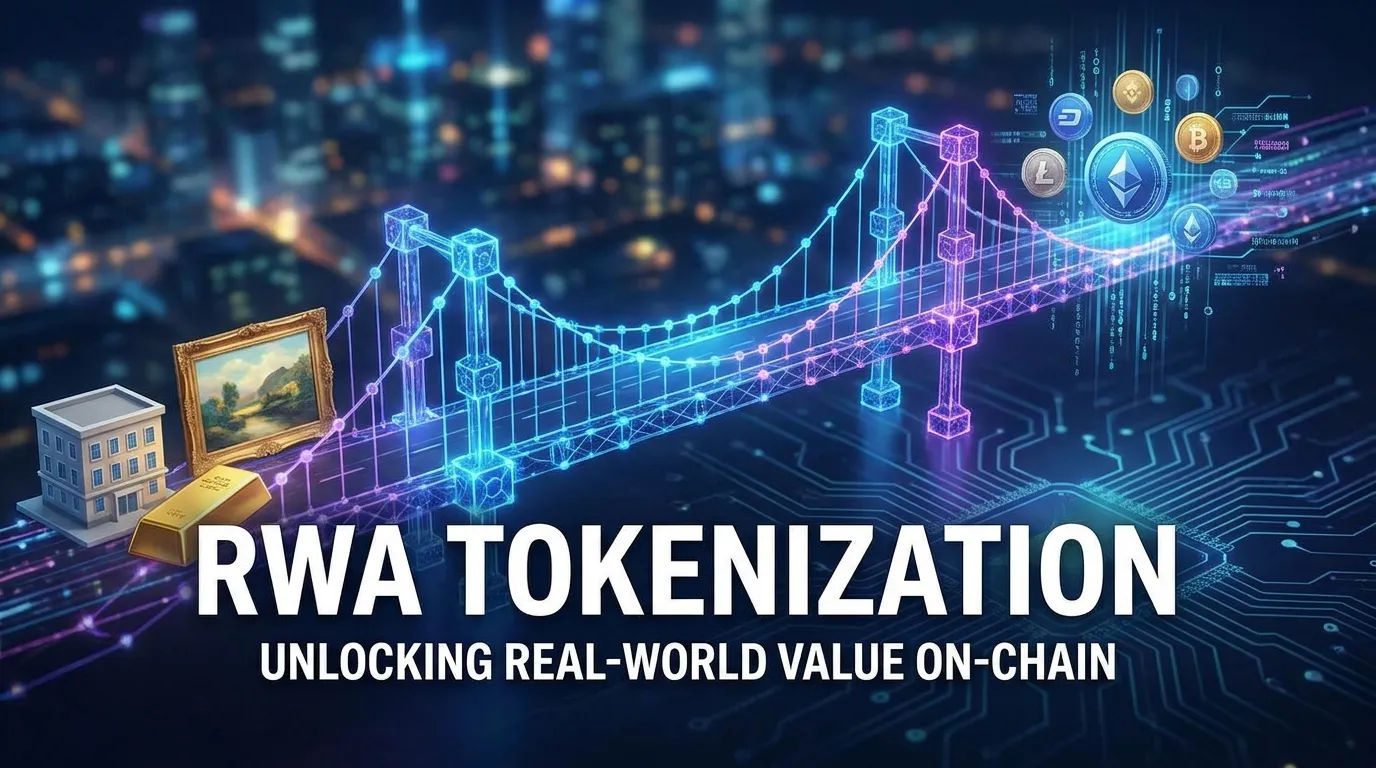
Another trend helping expand financial inclusion is asset tokenization.
Tokenization allows physical assets to be represented digitally on blockchain networks.
Examples include:
- Real estate
- Commodities
- Investment funds
- Intellectual property
Tokenization can increase accessibility by enabling fractional ownership.
Instead of purchasing an entire asset, investors can acquire smaller portions, making participation more affordable.
This creates opportunities for a broader range of individuals to access investment markets.
Challenges Facing DeFi Adoption
Despite its advantages, decentralized finance still faces several challenges.
These include:
- Regulatory uncertainty
- User education requirements
- Security concerns
- Network scalability limitations
- Technical complexity
Addressing these challenges will be essential for achieving mainstream adoption.
The industry continues to evolve rapidly, and ongoing innovation is helping improve usability, security, and performance.
The Future of Financial Inclusion
The future of financial inclusion will likely involve a combination of traditional financial institutions and decentralized technologies.
Rather than replacing existing systems entirely, DeFi may complement traditional services by providing new ways to access financial products and opportunities.
Emerging developments such as:
- Cross-chain interoperability
- AI-powered financial analytics
- Improved blockchain scalability
- User-friendly wallet solutions
are expected to further expand accessibility and adoption.
As technology continues advancing, decentralized finance may play a significant role in creating a more inclusive global financial ecosystem.
Conclusion
Financial inclusion remains a critical goal for economic development worldwide.
Decentralized finance offers innovative solutions that can help reduce barriers to financial access while improving transparency, efficiency, and accessibility.
Although challenges remain, the growth of DeFi demonstrates the potential of blockchain technology to reshape financial services and create opportunities for individuals who have traditionally been excluded from the global financial system.
As adoption continues to increase, DeFi may become one of the most influential technologies driving financial inclusion in the years ahead.
















Sign in to leave a comment.