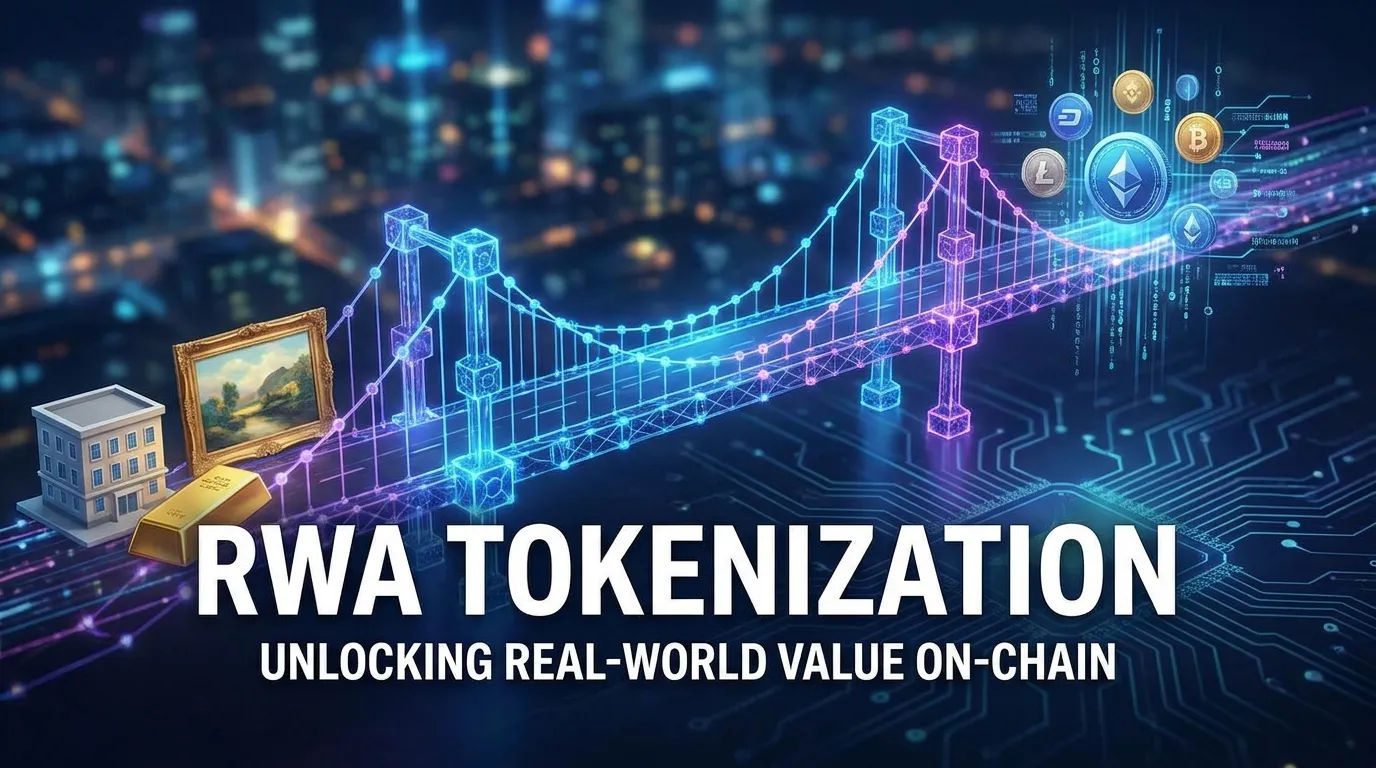

The financial world is undergoing a significant transformation as blockchain technology moves beyond cryptocurrencies and begins to influence traditional asset markets. One of the most promising developments is the tokenization of real-world assets, commonly referred to as RWA tokenization. This approach involves representing ownership rights or economic interests in physical or traditional financial assets through blockchain-based digital tokens.
Real-world assets can include real estate, private credit, government bonds, commodities, fine art, infrastructure projects, and other assets with measurable economic value. Historically, many of these markets have been difficult to access because of high investment requirements, complex documentation, limited liquidity, and lengthy settlement processes. Blockchain technology offers the possibility of creating more programmable, transparent, and digitally accessible financial infrastructure.
The opportunity is attracting significant attention from financial institutions, technology companies, asset managers, and blockchain businesses. However, tokenization is not simply about converting an asset into a digital token. The process requires careful legal structuring, regulatory compliance, asset custody, technology development, investor protection, and ongoing management. Understanding these factors is essential for businesses considering tokenization as part of their future strategy.
What Is Real-World Asset Tokenization?
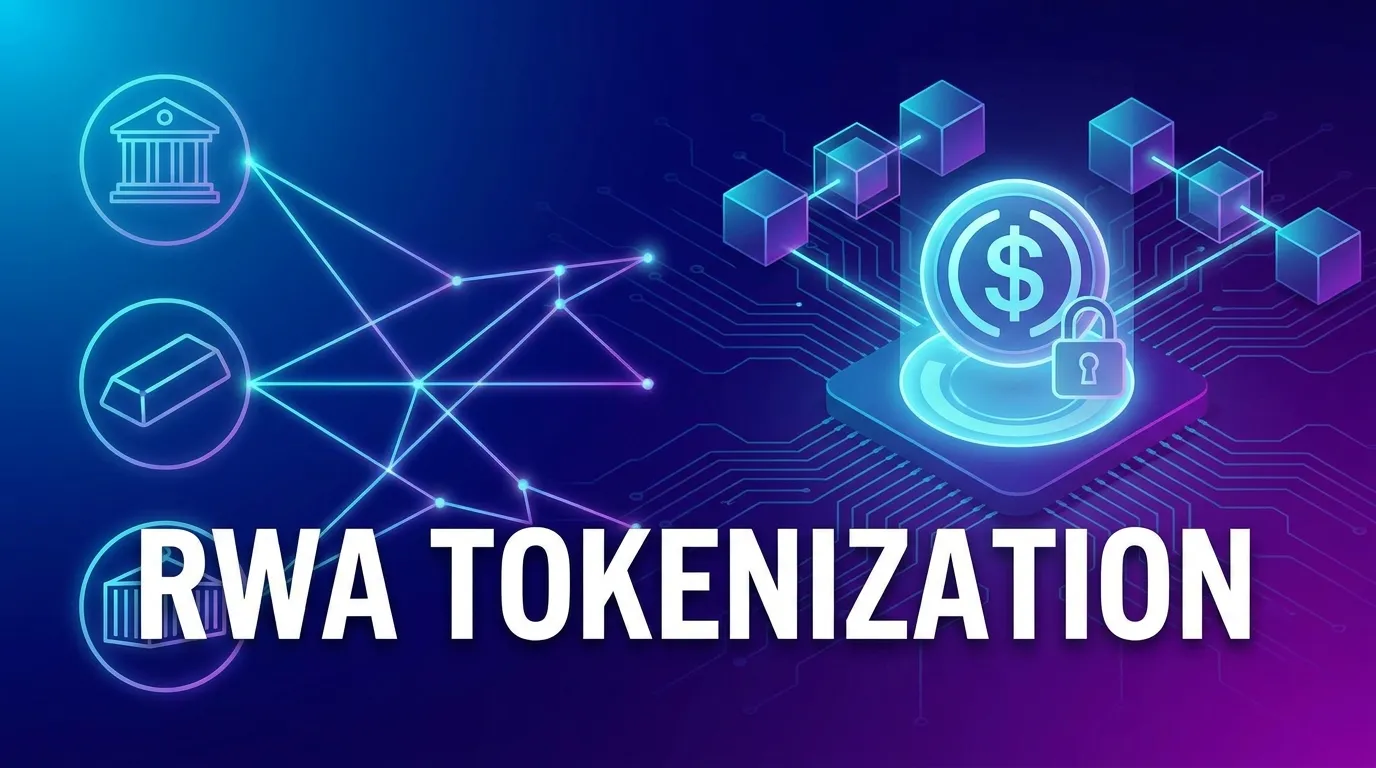
RWA tokenization refers to the process of creating blockchain-based digital representations of ownership rights, claims, or economic interests connected to real-world assets. Instead of relying exclusively on traditional paper documents or centralized databases, tokenized assets use blockchain infrastructure to record and manage relevant ownership or transaction information.
For example, consider a commercial property valued at $10 million. Under a traditional ownership model, the property may be held by one company or a group of investors through a legal entity. A tokenization structure could potentially divide defined economic interests in that asset into digital tokens. Investors may then acquire tokens representing specific rights, subject to the legal structure, jurisdiction, and applicable regulations.
The same concept can apply to other asset categories. Government securities can be represented digitally, private credit agreements can be structured using blockchain-based systems, and commodities can potentially be linked to verifiable underlying reserves or custody arrangements.
The key point is that the token itself does not automatically create ownership. The legal and contractual framework must establish what the token represents and what rights the holder possesses. This distinction is critical because the value and enforceability of a tokenized asset ultimately depend on the connection between the blockchain representation and the underlying real-world asset.
Why RWA Tokenization Is Gaining Attention
Traditional financial markets often operate through multiple intermediaries. Asset ownership, settlement, compliance, reporting, and transfer processes may involve banks, brokers, custodians, registrars, legal professionals, and other service providers. While these systems provide important protections, they can also create friction and increase costs.
Blockchain networks introduce a shared digital infrastructure where transactions can be recorded and verified. Smart contracts can automate predefined rules, while digital tokens can potentially enable more flexible asset transfer mechanisms.
The growing interest in tokenization is also supported by the increasing maturity of blockchain technology. Major financial institutions and asset managers have experimented with tokenized funds, bonds, and other financial products, demonstrating that blockchain is increasingly being considered as infrastructure rather than solely as a cryptocurrency technology.
The potential market is substantial because global real-world assets represent an enormous pool of economic value. Even a small percentage of assets moving onto blockchain-based infrastructure could create significant demand for tokenization platforms, custody solutions, compliance systems, digital marketplaces, and supporting technologies.
The RWA Tokenization Process
A successful tokenization project generally begins with identifying a suitable asset and determining the business objective. Not every asset is equally appropriate for tokenization. The underlying asset should have clearly defined ownership, measurable value, reliable documentation, and a legal framework capable of supporting the proposed structure.
Asset Selection and Due Diligence
The first stage involves selecting the asset to be tokenized. This could be a property, bond, private credit instrument, commodity, artwork, or another investment opportunity.
Comprehensive due diligence is essential. For real estate, this may include title verification, valuation, property inspections, income analysis, and legal review. For financial assets, documentation, creditworthiness, repayment terms, and regulatory classification may need to be examined.
The objective is to establish confidence that the underlying asset exists, has measurable value, and can support the rights being represented by the tokens.
Legal and Regulatory Structuring
The legal structure is one of the most important components of RWA tokenization. Businesses must determine what legal rights investors receive and how those rights are enforced.
Depending on the jurisdiction and asset type, tokenized interests may fall under securities or financial regulations. Businesses may need to address investor eligibility, anti-money-laundering requirements, know-your-customer procedures, tax obligations, disclosure standards, and transfer restrictions.
A tokenization project that focuses heavily on blockchain development while overlooking legal structuring can face significant challenges. The technology should support the legal framework rather than attempt to replace it.
Token Design and Smart Contract Development
Once the legal model is established, the technical architecture can be designed. The token represents the defined rights or interests associated with the underlying asset.
Smart contracts can manage important functions such as token issuance, transfers, investor eligibility, distribution mechanisms, and compliance rules. Depending on the project, the smart contract may restrict transfers to approved wallets or automatically enforce predefined conditions.
The technical design should prioritize security and transparency. Smart contract vulnerabilities can create serious financial consequences, making professional development, testing, and independent security audits essential.
Token Issuance and Distribution
After the platform and smart contracts are ready, tokens can be issued according to the project's legal and financial structure. Investors may acquire tokens through a private offering, regulated platform, or other approved distribution mechanism.
The onboarding process typically involves identity verification and compliance checks. Investors should also receive clear information about the underlying asset, associated risks, token rights, fees, liquidity conditions, and transfer restrictions.
Secondary Trading and Asset Management
One of the potential advantages of tokenization is the possibility of creating more flexible secondary markets. However, liquidity is not guaranteed simply because an asset has been tokenized.
A secondary market requires sufficient buyers and sellers, appropriate regulatory permissions, reliable infrastructure, and transparent pricing mechanisms. Tokenized assets may eventually trade through regulated marketplaces or specialized platforms, depending on applicable laws.
Ongoing asset management is equally important. Investors need access to relevant information about asset performance, income distributions, valuations, and other material developments.
Key Benefits of RWA Tokenization
Increased Accessibility
Traditional assets often have high minimum investment requirements. Tokenization can potentially allow certain assets to be divided into smaller investment units, making participation more accessible to eligible investors.
For example, instead of requiring an investor to purchase an entire property or commit millions of dollars to an investment vehicle, a tokenized structure may allow participation through smaller units. The actual level of accessibility depends on regulations and the legal structure, but the model has the potential to broaden participation.
Greater Transparency
Blockchain technology provides a shared record of transactions. This can improve transparency by making relevant information easier to verify and audit.
However, blockchain transparency does not automatically guarantee that the underlying asset is genuine. Reliable off-chain verification remains essential. Tokenization works best when blockchain records are supported by credible custodians, auditors, valuation providers, and legal entities.
Faster Settlement
Traditional asset transactions can take days or longer to settle because multiple intermediaries must coordinate the process. Blockchain-based systems can potentially reduce settlement times by automating parts of transaction processing.
Faster settlement may improve capital efficiency and reduce operational friction, particularly in markets where transactions currently involve complex administrative procedures.
Programmability
Smart contracts can introduce programmable financial logic. For example, a tokenized asset could be designed to distribute income according to predefined rules or enforce certain transfer restrictions.
This programmability can reduce manual administrative work and create more efficient processes for asset managers and investors.
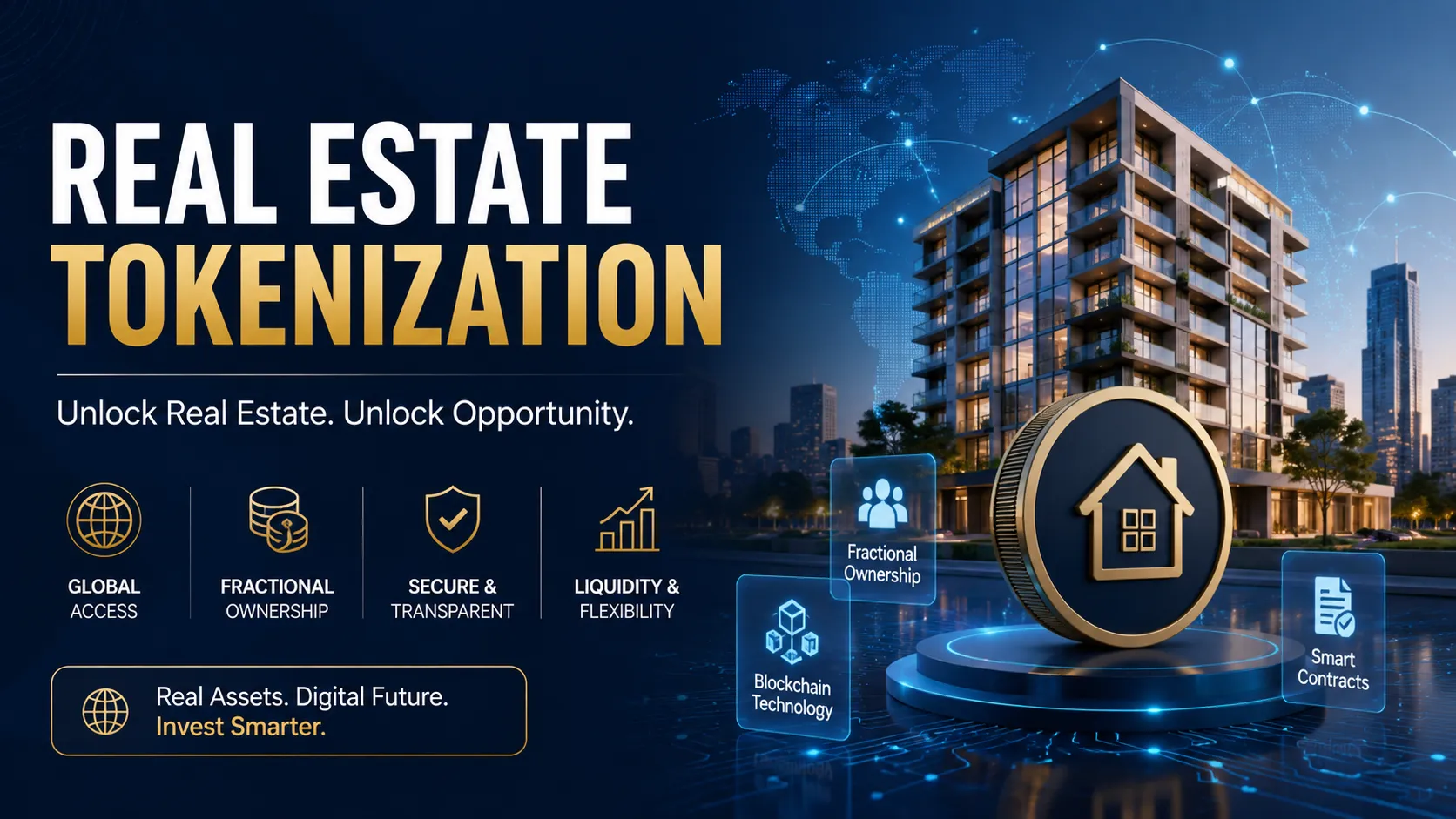
Fractional Ownership
Fractionalization is one of the most frequently discussed advantages of tokenization. Large assets can potentially be divided into smaller economic interests, enabling more flexible investment structures.
Real estate is a particularly relevant example. A large commercial property may require substantial capital under conventional ownership models. Tokenization may allow investment exposure to be structured into smaller units, subject to legal and regulatory requirements.
Business Opportunities Created by RWA Tokenization
The growth of tokenized assets is creating opportunities beyond simply issuing tokens. Businesses can build infrastructure across the entire tokenization ecosystem.
A specialized RWA Tokenization Company may provide services covering blockchain development, token architecture, smart contract creation, compliance integration, investor platforms, custody connections, and asset management systems.
Financial institutions may also develop tokenized investment products. Asset managers could explore tokenized funds, while real estate companies could investigate blockchain-based ownership structures. Private credit providers may use tokenization to improve investment administration and reporting.
Technology businesses can develop platforms that connect asset owners with investors. Other opportunities include digital identity systems, compliance tools, blockchain analytics, token custody, valuation services, and secondary-market infrastructure.
This ecosystem approach is important because successful tokenization requires multiple supporting services. The future market may therefore include specialized providers focused on different parts of the asset lifecycle.
Real-World Examples and Industry Developments
Financial institutions have already begun experimenting with tokenized assets. Tokenized government securities and blockchain-based funds have gained attention as institutions explore ways to improve settlement efficiency and modernize financial infrastructure.
Real estate is another important area of experimentation. Property tokenization projects seek to create digital representations of economic interests in buildings and other real estate assets. The appeal is particularly strong because real estate has historically been characterized by high transaction costs and limited liquidity.
The broader lesson from these initiatives is that tokenization is most effective when it addresses a genuine problem. A blockchain system that simply replicates an existing database may provide limited additional value. In contrast, tokenization can become more compelling when it improves settlement, automates compliance, supports fractional investment structures, or creates new distribution channels.
Risks and Challenges
Despite its potential, RWA tokenization faces several challenges. Regulatory uncertainty remains one of the most important. Different jurisdictions may classify tokenized assets differently, creating complexity for businesses operating internationally.
Liquidity is another challenge. Tokenizing an asset does not guarantee that investors will find buyers when they want to sell. Secondary-market development requires strong participation and appropriate regulatory infrastructure.
Technology risks must also be considered. Smart contract vulnerabilities, cybersecurity attacks, private-key loss, and operational failures can create significant risks. Professional security audits and robust custody solutions are therefore essential.
There is also an "oracle problem" involving the connection between blockchain data and real-world information. A blockchain can accurately record that a token was transferred, but it cannot independently determine whether a property still exists, whether its valuation is accurate, or whether a physical commodity is actually stored in a warehouse. Reliable external data providers and verification mechanisms remain necessary.
Best Practices for Launching an RWA Tokenization Project
Businesses considering tokenization should begin with the asset and business model rather than the technology. The first question should be what problem tokenization is expected to solve.
A strong project should establish a clear legal framework, conduct comprehensive asset due diligence, implement robust compliance procedures, and select blockchain infrastructure appropriate for the use case.
Security should be treated as a fundamental requirement. Smart contracts should undergo extensive testing and independent audits before deployment. Investor interfaces should also incorporate strong authentication and security controls.
Transparency is equally important. Investors should understand exactly what they are purchasing, what rights they receive, how the underlying asset is managed, and what risks they face.
Finally, businesses should plan for the entire asset lifecycle. Token issuance is only one stage. Successful projects require ongoing reporting, compliance, asset management, investor relations, custody, and potentially secondary-market support.
The Future of Tokenized Real-World Assets
The long-term future of RWA tokenization will likely depend on the convergence of blockchain technology with established financial institutions and regulatory frameworks. Rather than replacing traditional finance overnight, tokenization is more likely to evolve gradually as organizations identify specific areas where blockchain can improve efficiency and accessibility.
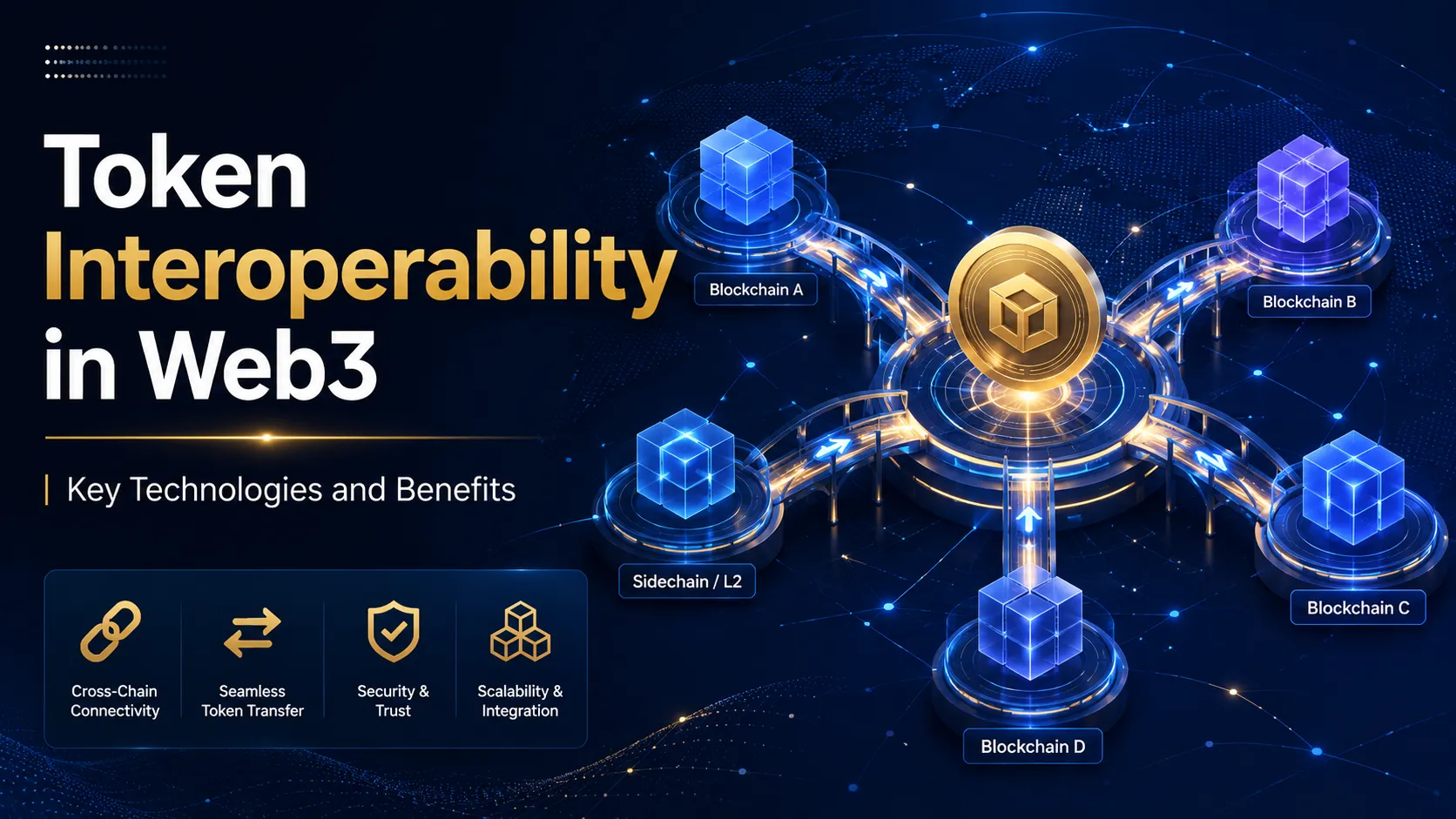
Interoperability will also become increasingly important. Tokenized assets may eventually need to operate across different blockchain networks and connect with existing banking and financial infrastructure. Regulatory clarity will play a major role in determining how quickly this ecosystem develops.
As technology matures, tokenization could become a standard component of digital asset infrastructure. The most successful projects will likely be those that combine blockchain efficiency with strong legal foundations, institutional-grade security, transparent governance, and genuine economic value.
Conclusion
Real-world asset tokenization represents a significant opportunity to modernize how traditional assets are owned, managed, financed, and transferred. Through RWA Tokenization, businesses can explore new approaches to fractional ownership, transparency, programmable transactions, and potentially broader investment access, while a capable RWA Tokenization Company can provide the technical infrastructure and expertise needed to develop secure and scalable solutions. However, successful implementation requires much more than blockchain technology; it depends on strong legal structures, regulatory compliance, asset verification, cybersecurity, and effective investor protection. As the digital economy continues to evolve, organizations that approach tokenization strategically and responsibly may be well positioned to benefit from the next generation of asset infrastructure, and Blockchain App Factory provides the best services for businesses seeking professional blockchain, tokenization, and RWA development solutions.






















Sign in to leave a comment.