
Blockchain technology is often described as a system of trust without intermediaries. It allows data and transactions to be recorded across distributed networks in a way that is transparent, tamper-resistant, and difficult to manipulate. Yet blockchain’s real transformation did not come only from recording transactions. It came from the ability to program rules directly into blockchain networks. This is where smart contracts became essential.
Smart contracts are self-executing programs stored on a blockchain. They automatically perform actions when predefined conditions are met. Instead of relying on a bank, broker, marketplace operator, notary, or administrator to enforce an agreement, smart contracts allow code to execute the terms of that agreement. This automation has made blockchain useful for decentralized finance, NFT marketplaces, supply-chain tracking, gaming economies, digital identity, tokenized assets, decentralized governance, and enterprise automation.
In the blockchain ecosystem, smart contracts are not just a technical feature. They are the operating layer that turns a blockchain from a digital ledger into a programmable economy. Without smart contracts, most of today’s decentralized applications would not exist. They provide the logic, transparency, and automation needed for blockchain-based systems to function at scale.
Smart Contract Development and Business Adoption
As blockchain adoption grows, businesses increasingly need specialized technical partners to design, build, test, and deploy secure smart contract systems. A professional smart contract development company helps organizations transform business rules into blockchain-based applications that can operate reliably and transparently. This includes everything from token creation and escrow automation to decentralized exchanges, lending platforms, NFT marketplaces, DAO governance systems, and real-world asset tokenization.
A smart contract development agency does more than write code. It studies the business model, identifies which processes should be placed on-chain, designs the smart contract architecture, integrates wallets and user interfaces, tests the system, and supports deployment. This is important because not every business process belongs on a blockchain. A strong development partner helps companies avoid unnecessary complexity while using smart contracts where they create genuine value.
A complete smart contract development solution usually includes requirement analysis, contract architecture, blockchain network selection, smart contract coding, third-party integrations, testing, auditing support, deployment, and post-launch maintenance. This end-to-end approach is vital because smart contracts often manage valuable assets. A poorly designed contract can expose funds, break business logic, or damage user trust. For companies entering Web3, choosing the right development partner can determine whether the project becomes a scalable digital product or a risky experiment.
The Role of Smart Contracts in Blockchain Automation
The most important contribution of smart contracts is automation. Traditional business processes often depend on intermediaries to verify information, approve actions, and enforce agreements. These intermediaries add cost, time, and potential points of failure. Smart contracts reduce this dependency by allowing rules to execute automatically.
For example, in a traditional escrow transaction, a third party may hold funds until both buyer and seller satisfy certain conditions. With a smart contract, the funds can be locked on-chain and released automatically once the agreed conditions are met. In insurance, a smart contract could trigger a payout when verified external data confirms that an event occurred. In supply chain management, smart contracts can update ownership, payment status, or compliance records when goods pass verified checkpoints.
This automation is especially powerful because blockchain transactions are transparent and traceable. Participants can see the logic controlling the process, verify transaction history, and reduce disputes. In industries where trust, speed, and auditability matter, smart contracts offer a new way to coordinate activity between parties that may not fully trust one another.
Smart Contracts as the Foundation of DeFi
Decentralized finance, or DeFi, is one of the clearest examples of why smart contracts are important. DeFi platforms use smart contracts to offer financial services such as lending, borrowing, trading, staking, yield farming, derivatives, and asset management without traditional financial intermediaries.
In a decentralized exchange, smart contracts manage liquidity pools and allow users to swap tokens directly. In a lending protocol, they calculate collateral ratios, interest rates, borrowing limits, repayments, and liquidations. In staking platforms, they distribute rewards according to predefined rules. These processes would normally require centralized institutions, but smart contracts allow them to operate through transparent blockchain logic.
The growth of DeFi shows the practical importance of this technology. DeFi analytics platforms track billions of dollars in total value locked across decentralized protocols. This value represents assets users have placed into smart contract-based systems for trading, lending, staking, and other financial activities. While the numbers fluctuate with market conditions, the scale demonstrates that smart contracts are no longer experimental tools. They are actively managing large financial ecosystems.
However, DeFi also shows the risks of smart contracts. Because these contracts often control large pools of capital, they are attractive targets for attackers. Chainalysis has reported billions of dollars in crypto stolen from platforms, with smart contract vulnerabilities and DeFi exploits playing a major role in several major incidents. This proves that smart contracts are powerful, but they must be developed and audited with extreme care.
Enabling Trustless Transactions
The term “trustless” does not mean that trust disappears. It means users do not need to trust a central authority in the same way they would in a traditional system. Instead, they trust transparent code, cryptographic verification, and blockchain consensus.
Smart contracts enable trustless transactions by making rules visible and execution predictable. If a user interacts with a properly verified contract, they can inspect how the contract works or rely on public audits and community review. Once the contract conditions are met, the code executes according to its logic.
This is especially important in global digital markets. A buyer in one country, a seller in another, and a platform in a third jurisdiction may face legal, payment, and enforcement challenges. Smart contracts can reduce these barriers by creating shared programmable rules. They do not replace all legal systems, but they can automate parts of agreements that are clear, measurable, and digitally verifiable.
Trustless execution is also important for decentralized autonomous organizations, or DAOs. In a DAO, smart contracts can manage voting, treasury spending, proposal execution, and membership rules. This allows communities to coordinate decisions without depending entirely on a centralized manager.
Powering Tokenization and Digital Ownership
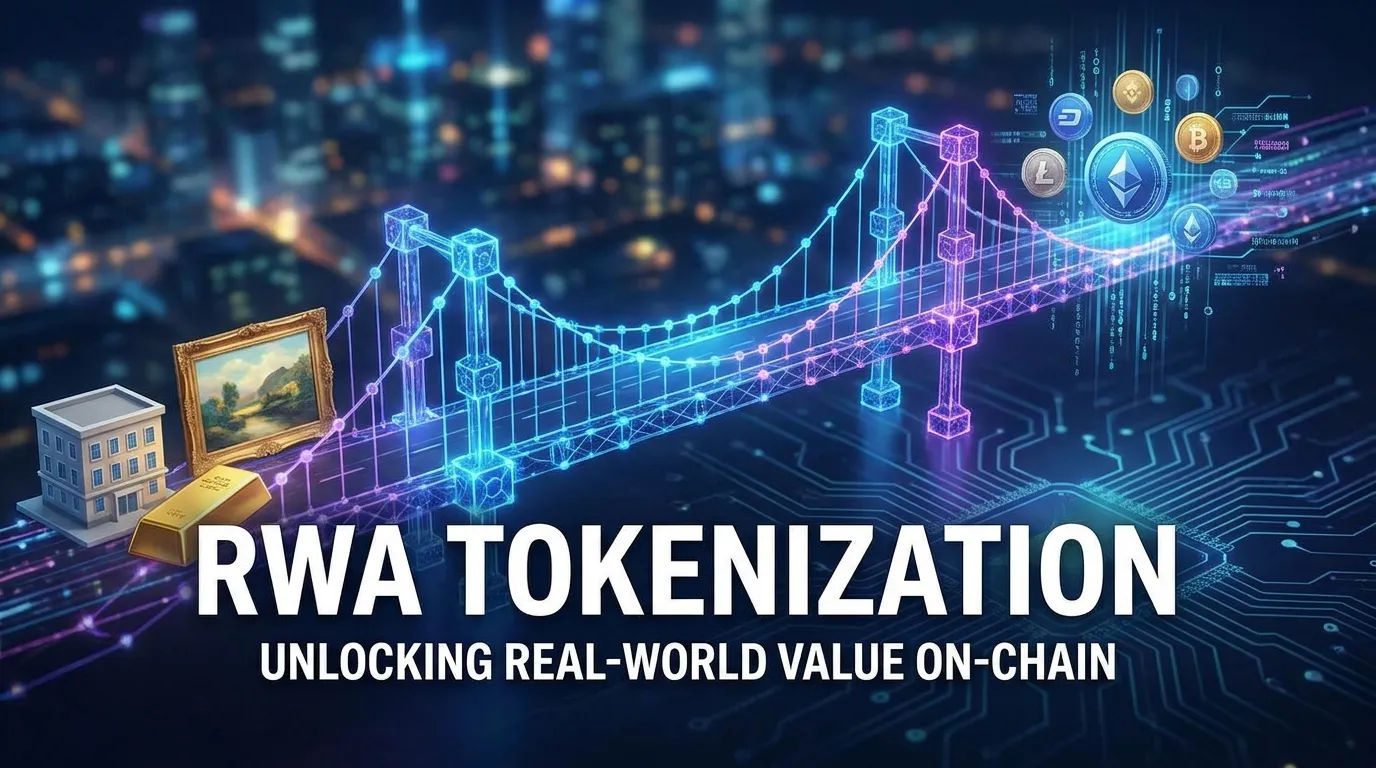
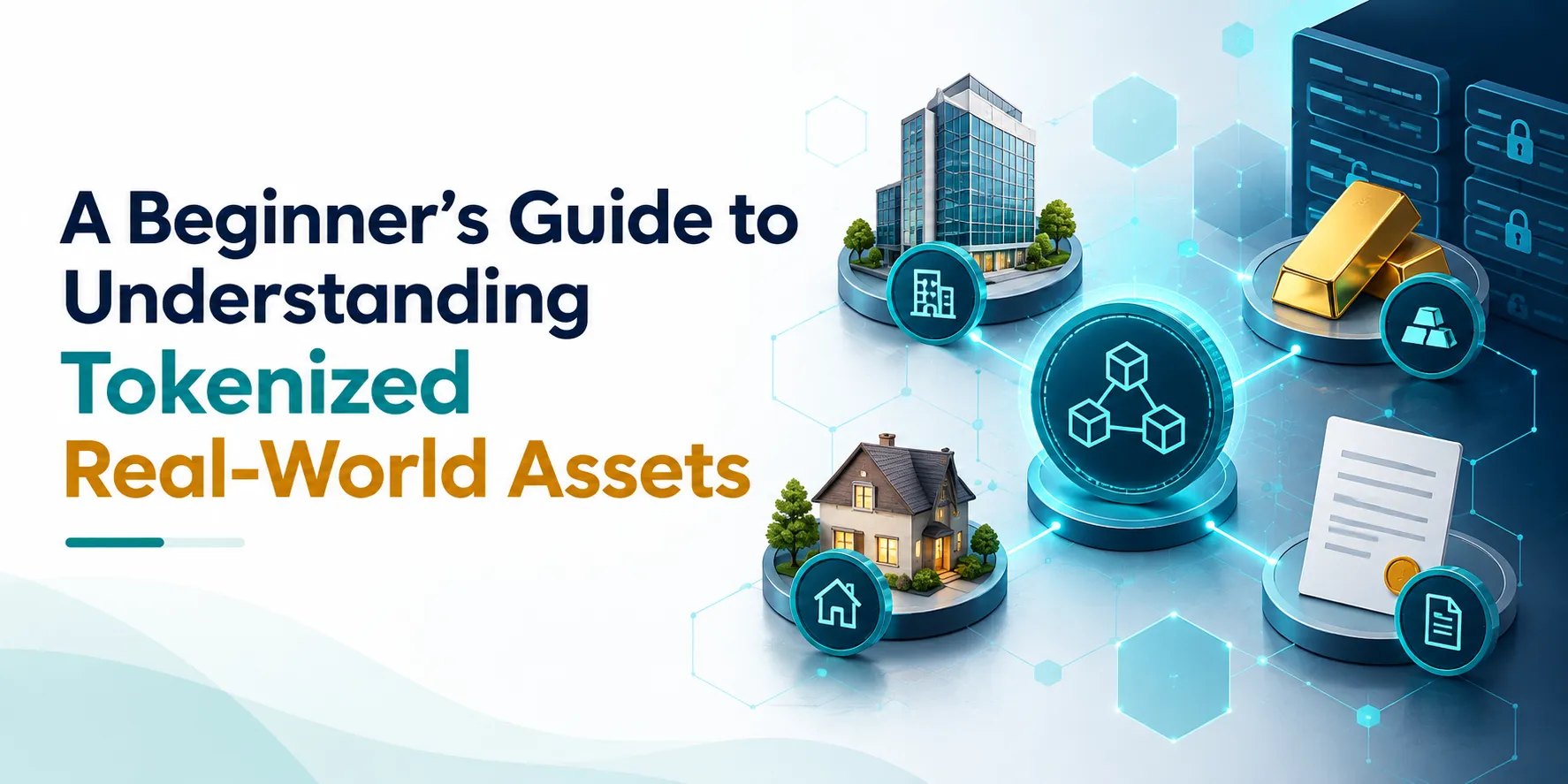
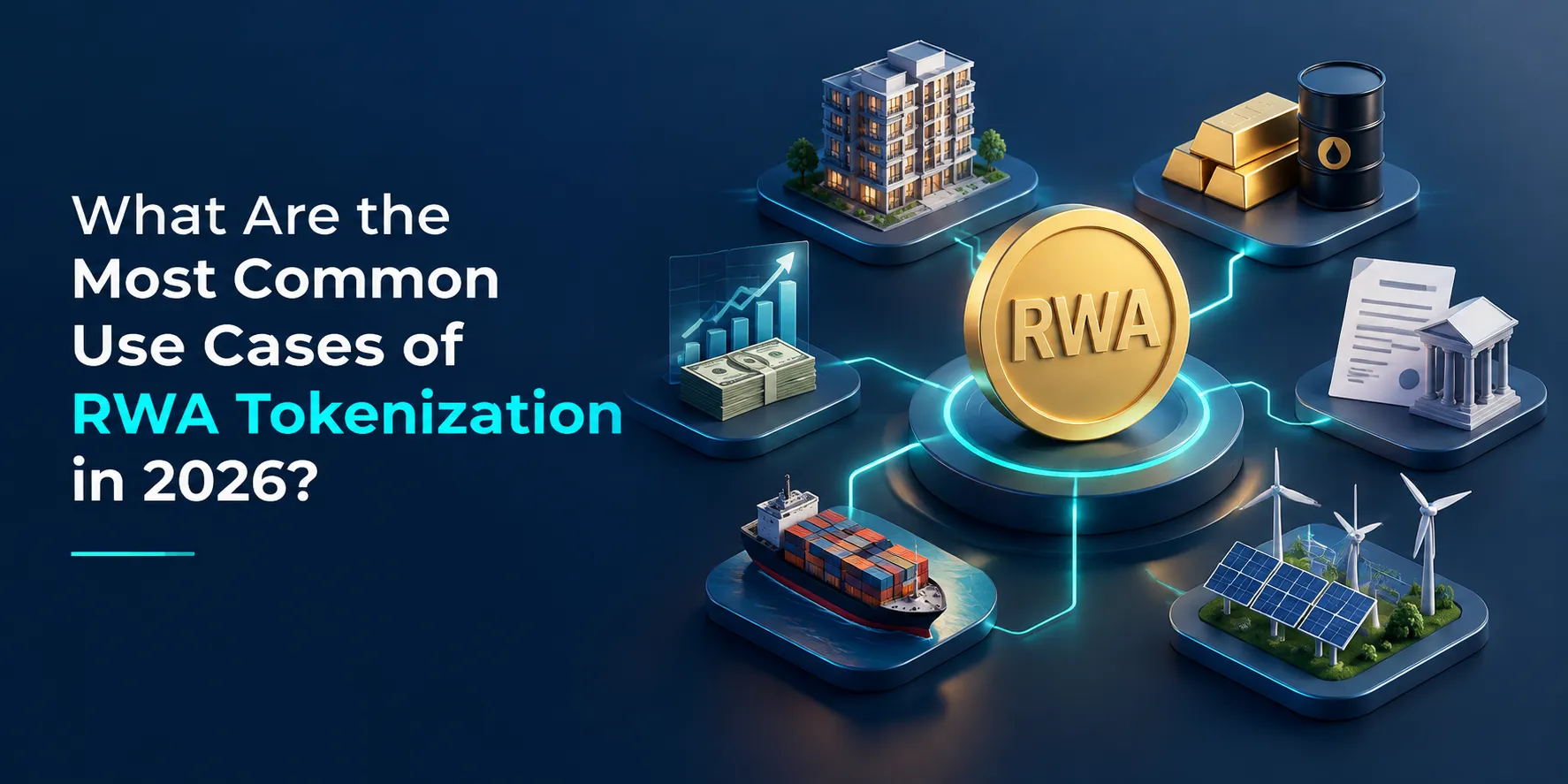
Smart contracts are central to tokenization, which is the process of representing assets as digital tokens on a blockchain. These tokens can represent cryptocurrencies, stablecoins, securities, real estate, art, intellectual property, loyalty points, in-game assets, carbon credits, or other forms of value.
McKinsey describes tokenization as creating a digital representation of an asset on a blockchain. Smart contracts make this possible by defining how tokens are created, transferred, burned, locked, distributed, and governed. Without smart contracts, tokenized assets would lack programmable rules.
NFTs are a familiar example. A non-fungible token is not just a digital image or collectible. It is a smart contract-based record of ownership, uniqueness, transfer history, and sometimes royalty logic. In gaming, NFTs can represent characters, weapons, land, skins, or achievements. In real estate, tokenization can represent fractional ownership or investment rights. In finance, tokenized assets can improve settlement speed, transparency, and collateral management.
Smart contracts also allow digital ownership to become more interactive. Tokens can carry permissions, voting rights, access benefits, revenue-sharing logic, or redemption conditions. This gives businesses and communities new ways to design products, memberships, and investment models.
Improving Transparency and Auditability
One of blockchain’s strongest features is transparency, and smart contracts extend this transparency to business logic. In traditional software systems, users often cannot see how a platform calculates fees, distributes rewards, approves transactions, or manages balances. In blockchain systems, smart contract code and transaction history can often be inspected publicly.
This auditability is valuable in sectors where accountability matters. For example, a charity could use smart contracts to track donations and release funds only when verified milestones are reached. A supply-chain platform could use smart contracts to record product movement and compliance checks. A DeFi protocol can allow users to review how interest rates, liquidations, and rewards are calculated.
Transparency does not automatically guarantee fairness or security. Users may not understand complex code, and malicious contracts can still be deployed. However, public visibility creates opportunities for independent audits, community review, automated monitoring, and stronger accountability.
Reducing Costs and Operational Friction
Smart contracts can reduce operational costs by automating repetitive processes and removing unnecessary intermediaries. In traditional systems, settlement, reconciliation, verification, and compliance checks often require multiple parties and duplicated records. Smart contracts can streamline these workflows by creating a shared source of truth.
For example, cross-border payments can involve banks, clearing systems, currency conversion providers, and compliance intermediaries. Blockchain-based payment systems can use smart contracts to automate certain steps, reduce settlement time, and increase visibility. In trade finance, smart contracts can connect shipment verification, invoice approval, and payment release. In digital marketplaces, they can automate royalties, commissions, and ownership transfers.
The cost benefits are not limited to finance. Any industry that depends on rule-based transactions can potentially benefit, including logistics, healthcare, energy, entertainment, real estate, and public administration. The key is identifying processes where automation, transparency, and shared records create measurable value.
Supporting Interoperability and Composability
Smart contracts also make blockchain ecosystems composable. Composability means that different applications and protocols can connect and build on one another like software building blocks. This is one reason DeFi expanded so quickly. A wallet can connect to a lending protocol, which can connect to a decentralized exchange, which can rely on an oracle for price data, all through smart contract interactions.
This creates a powerful innovation environment. Developers do not always need to build every component from scratch. They can integrate existing protocols, liquidity sources, governance tools, token standards, and infrastructure. This lowers barriers to experimentation and allows new applications to emerge faster.
However, composability also creates systemic risk. If one protocol has a vulnerability or dependency failure, connected applications may be affected. This is why secure design, audits, monitoring, and risk management are essential parts of smart contract development.
Real-World Examples of Smart Contract Impact
Uniswap demonstrates how smart contracts can transform trading. Instead of relying on centralized order books, Uniswap uses automated market maker contracts that allow users to trade through liquidity pools. This model changed how decentralized token trading works and inspired many similar platforms.
Aave shows how smart contracts can support lending and borrowing. Users can deposit assets, earn interest, borrow against collateral, and participate in governance through blockchain-based mechanisms. The platform’s operations depend on smart contracts that manage collateral, liquidity, interest, and liquidation logic.
NFT marketplaces show another major use case. Smart contracts verify ownership, process transfers, and enforce marketplace rules. Artists, gaming companies, and digital brands use these systems to create programmable ownership experiences that were difficult to implement in traditional digital platforms.
Enterprise use cases are also growing. Companies exploring real-world asset tokenization, supply-chain transparency, carbon credit markets, and digital identity systems depend on smart contracts to automate verification and execution.
Security: The Critical Challenge
Smart contracts are important because they automate value, but this also makes them dangerous when poorly built. Bugs in traditional software can be patched, but blockchain contracts may be immutable or difficult to upgrade. A vulnerability can be exploited quickly, and stolen funds may be difficult to recover.
Academic research has repeatedly emphasized that smart contract programming requires strong expertise because vulnerabilities can lead to catastrophic consequences. Common risks include reentrancy attacks, access control failures, oracle manipulation, integer errors, flawed upgrade mechanisms, and hidden backdoors. These risks are not theoretical. Many blockchain hacks have resulted from contract-level weaknesses.
This is why professional development and auditing are essential. Smart contract teams should use secure libraries, formal testing, code reviews, automated analysis, manual audits, bug bounties, and post-deployment monitoring. Security must be treated as a continuous process rather than a final checkbox before launch.
The Future of Smart Contracts
The future of smart contracts will likely be shaped by scalability, interoperability, privacy, regulation, and real-world integration. Layer-2 networks are already helping reduce transaction costs and improve performance. Cross-chain protocols are enabling smart contracts to interact across different blockchains. Privacy-preserving technologies may allow sensitive business logic to operate without exposing all data publicly.
At the same time, enterprises and regulators are paying closer attention to blockchain-based automation. For smart contracts to become mainstream, they must be secure, compliant, understandable, and connected to real-world data. Oracles, identity systems, legal frameworks, and user-friendly interfaces will play major roles in this evolution.
Smart contracts may eventually become a standard part of digital infrastructure, operating quietly behind financial products, business workflows, digital identity systems, and online marketplaces. Their importance will grow as more assets, agreements, and processes become digitally native.
Conclusion
Smart contracts are one of the most important pillars of the blockchain ecosystem. They transform blockchains from passive record-keeping systems into programmable platforms capable of executing agreements, managing assets, automating workflows, and supporting decentralized applications.
Their importance can be seen in DeFi, tokenization, NFTs, DAOs, supply chains, gaming, enterprise automation, and digital ownership. They reduce dependence on intermediaries, improve transparency, support trustless execution, and create new models for global coordination.
However, smart contracts must be designed responsibly. Their power comes with technical, financial, and security risks. Businesses that want to use smart contracts should invest in expert development, rigorous auditing, and long-term maintenance. When built properly, smart contracts do more than automate transactions. They create the foundation for a more transparent, efficient, and programmable digital economy.





























Sign in to leave a comment.