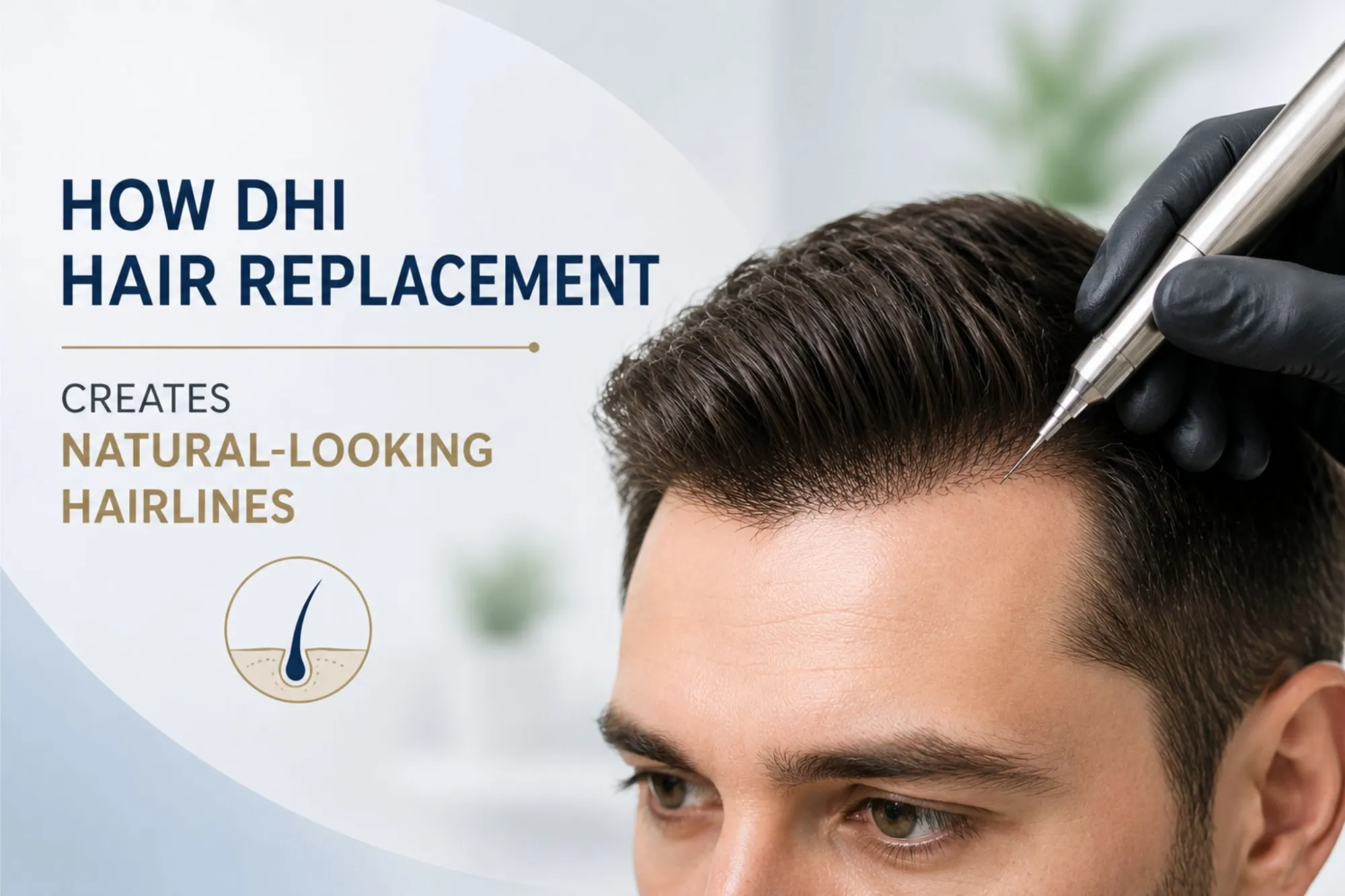

A hairline says a lot about a person's appearance. When it starts to recede or thin, it can change the way you look and, more importantly, the way you feel about yourself. For many people, the goal is not just to get hair back but to get hair back in a way that looks completely natural, as though it was always there. That is where modern surgical techniques have made a remarkable difference.
If you have been researching your options, you have likely come across the term DHI hair replacement, which stands for Direct Hair Implantation. It is widely regarded as one of the most precise methods available for restoring hair and creating hairlines that look genuinely undetectable. Unlike older techniques, DHI offers a level of control during the implantation stage that sets it apart from other procedures and makes it especially suited for hairline work.
What Makes the Hairline Look So Natural
The hairline is the most visible part of any hair restoration procedure. Get it wrong, and the results look artificial and obvious. Get it right, and the transformation is remarkable.
With DHI, each hair follicle is placed one at a time. This level of precision allows the practitioner to mimic the way natural hair grows, which is never perfectly uniform. Real hair grows at different angles, in slightly irregular patterns, and with varying densities across different parts of the scalp. The Choi implanter used in this technique allows the surgeon to replicate exactly that kind of natural variation.
In a traditional FUE (Follicular Unit Extraction) procedure, channels are cut into the scalp first and then follicles are inserted. With DHI, these two steps are combined into one. This reduces the time follicles spend outside the body, which improves their survival rate and leads to better, fuller results.
The Role of Density and Direction
Two things that make a hairline look real are how dense it is and which direction the hairs face. At the front of the scalp, natural hair tends to point slightly forward and downward. Along the temples, the angle changes. This transition is subtle but important.
Because the Choi implanter gives the surgeon control over placement in real time, they can adjust the angle with each individual graft. This is why clinics that specialise in this technique, such as The Skin and Hair Clinic, are able to create hairlines that blend seamlessly with the existing hair and frame the face in a way that looks completely organic.
Density also plays a big role. Rather than placing all grafts at the same spacing, a skilled practitioner will create slightly higher density at the hairline and gradually reduce it as they move further back. This gradient is exactly what you see in a natural head of hair.
Who Is a Good Candidate
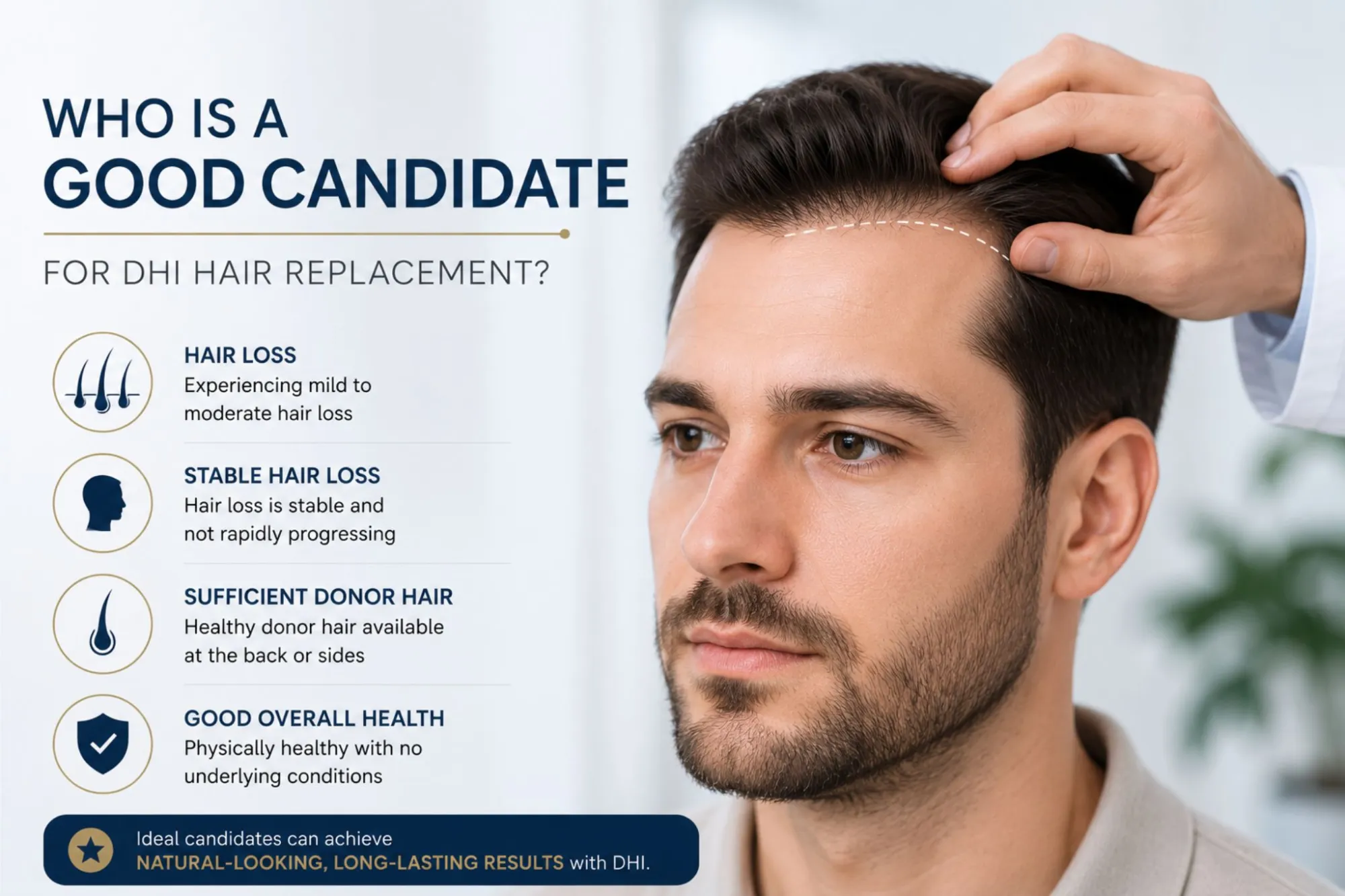
DHI works well for people experiencing different stages of hair loss. It is particularly effective for those who want to restore or define their hairline, fill in thinning areas without shaving the entire head, and add density to areas that have become noticeably sparse.
One of the practical advantages of this technique is that it often does not require a full shave of the donor area. This makes it a popular choice for people who want to keep their current hair length during the procedure and recovery period.
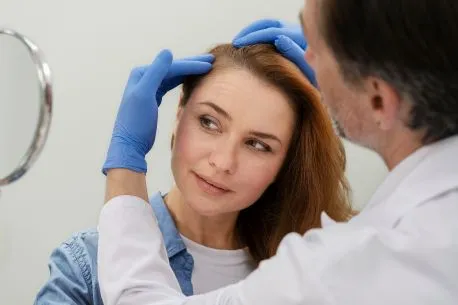
That said, a proper consultation is always the first step. A qualified specialist will assess your hair type, the extent of your hair loss, and the quality of your donor area before recommending the right approach. At The Skin and Hair Clinic, the consultation process is thorough and personalised, ensuring each patient gets a treatment plan that is right for their specific situation.
Recovery and Results
One of the reasons people are drawn to DHI hair replacement is the relatively straightforward recovery. Because the procedure is minimally invasive and does not involve large incisions, most people are able to return to their normal routine within a few days.
In the first week or two, some redness and minor swelling around the treated area is normal. Tiny scabs may form around each implanted follicle, but these typically fall away within ten days. It is important not to scratch or pick at the scalp during this time, as this can disturb the newly placed follicles.
Hair growth after the procedure follows a natural cycle. Most patients notice shedding of the transplanted hairs in the first few weeks, which can be alarming but is completely expected. This is simply the old hair making way for new growth. Real results start to become visible around three to four months in, with significant growth appearing between six and twelve months. Full results are typically seen at the twelve to eighteen month mark.
Why Technique and Skill Matter More Than You Think

It is worth saying clearly that no technology, no matter how advanced, replaces the skill of the practitioner using it. The Choi implanter is a precise instrument, but it is only as effective as the hands holding it. This is why choosing a reputable clinic with experienced surgeons matters so much.
When done well, the results of this technique are genuinely impressive. Patients often describe feeling like themselves again, not just in terms of appearance, but in terms of confidence and how they carry themselves day to day.
Take the Next Step
If you have been thinking about hair restoration and want results that look completely natural, now is a good time to explore your options. Book a consultation with The Skin and Hair Clinic to speak with a specialist who can assess your hair loss, explain what is possible, and guide you toward the right treatment for your needs. Visit The Skin and Hair Clinic to get started.
Frequently Asked Questions
Is DHI hair replacement painful?
The procedure is carried out under local anaesthesia, so discomfort during the treatment is minimal. Some patients report mild soreness in the days following the procedure, which is easily managed.
How long do the results last?
The transplanted follicles are taken from areas of the scalp that are genetically resistant to hair loss. This means the results are permanent for most patients, though natural ageing and ongoing hair loss in non-treated areas may require a follow-up session over time.
Can women undergo this procedure?
Yes. While hair loss is more commonly discussed in men, this technique is equally effective for women experiencing thinning or hairline recession.
How many grafts will I need?
This depends entirely on the extent of your hair loss and the density you want to achieve. A specialist at The Skin and Hair Clinic will give you an accurate graft estimate during your consultation.
Is there a risk of the results looking unnatural?
When performed by an experienced practitioner, the risk of an unnatural result is very low. The precision of the implantation technique is specifically designed to replicate the look and behaviour of natural hair growth.






















Sign in to leave a comment.