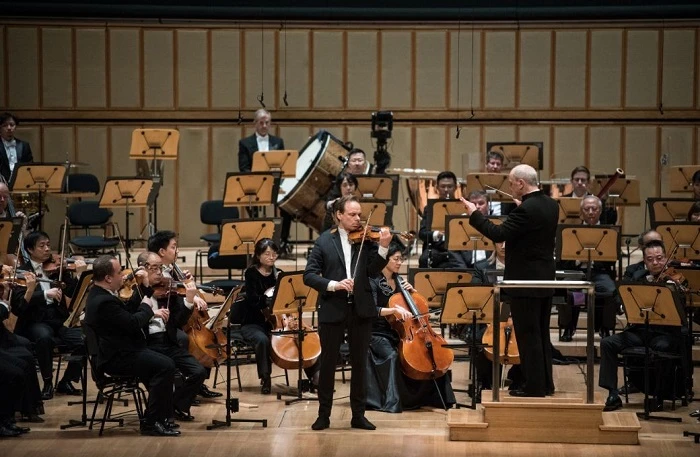

Musical storytelling is the art of conveying narrative, emotion, and imagery through sound alone. Few traditions have contributed to this art as profoundly as the Russian classical tradition. From sweeping symphonic landscapes to intimate piano miniatures and operas steeped in folklore, Russian Composers developed a distinctive approach to musical storytelling that continues to influence composers worldwide. Their works transformed music into a dramatic medium capable of expressing psychological depth, national identity, and historical memory.
The Cultural Roots of Russian Musical Narrative
History, Identity, and Sound
Russian musical storytelling emerged from a complex cultural background shaped by geography, politics, and folklore. For centuries, Russia existed at the crossroads between Eastern and Western traditions. This dual identity encouraged composers to seek a unique musical voice rather than simply imitate Western European models.
Russian composers often viewed music as a vehicle for expressing national identity. Storytelling through sound became a way to articulate collective experiences, whether through evocations of vast landscapes, depictions of historical struggles, or portrayals of spiritual longing. These cultural undercurrents deeply influenced how narrative was embedded in melody, harmony, and orchestration.
Folk Traditions and Oral Storytelling
Folk music played a crucial role in shaping Russian musical storytelling. Traditional songs, dances, and chants often carried narrative content, recounting legends, heroic deeds, or communal rituals. Russian composers drew heavily from these sources, incorporating folk modes, rhythms, and melodic contours into their compositions.
This connection to oral storytelling traditions gave Russian music a sense of immediacy and emotional directness. Even abstract instrumental works often feel narrative-driven, as if unfolding a story without words.
Opera as a Foundation of Musical Storytelling
Drama Through Music and Language
Opera became one of the most important platforms for Russian composers to develop their narrative voice. Unlike Italian opera, which often emphasized virtuosic singing, Russian opera prioritized dramatic realism and psychological depth. Music was crafted to serve the story rather than overshadow it.
Composers such as Modest Mussorgsky reshaped operatic storytelling by aligning musical rhythm closely with natural speech patterns. This approach allowed characters to feel authentic and emotionally complex, transforming opera into a form of musical drama rather than mere spectacle.
Bolded Subheading: Psychological Realism in Russian Opera
Psychological realism became a defining feature of Russian operatic storytelling. Characters were portrayed as deeply human figures shaped by moral conflict, social pressure, and inner turmoil. Music mirrored these struggles through shifting harmonies, stark contrasts, and unconventional structures. This emphasis on inner narrative set Russian opera apart and influenced later developments in dramatic composition.
Symphonic Storytelling and Musical Landscapes
The Symphony as Narrative Canvas
Russian composers expanded the symphony beyond abstract form, using it as a narrative canvas capable of depicting journeys, conflicts, and emotional transformations. Symphonic works often evoke scenes of nature, historical events, or spiritual reflection.
Through orchestration, Russian composers created vivid sonic imagery. Expansive string sections suggested vast plains, while brass and percussion conveyed power, danger, or triumph. These musical landscapes allowed listeners to experience stories emotionally rather than intellectually.
Programmatic Elements and Emotional Arcs
Many Russian symphonic works contain programmatic elements, whether explicitly stated or subtly implied. Even when no specific story is provided, the music often follows a dramatic arc resembling a narrative structure, complete with tension, climax, and resolution.
This approach to form reinforced the idea that instrumental music could tell stories as vividly as literature or theater.
Nationalism and Storytelling Through Sound
Myth, Legend, and History
Russian composers frequently turned to mythological and historical subjects as sources of musical storytelling. By drawing on national legends and historical episodes, composers transformed music into a means of cultural preservation and commentary.
These stories were not presented neutrally but emotionally interpreted. Music became a way to explore the moral and psychological dimensions of history, giving listeners a sense of connection to the past.
Emotional Symbolism and Musical Motifs
Recurring motifs often functioned as narrative symbols in Russian compositions. A particular melody might represent a character, an idea, or an emotional state. As these motifs evolved throughout a piece, they mirrored the progression of the story.
This technique enhanced musical coherence while deepening emotional impact, allowing listeners to follow an unspoken narrative through sound alone.
The Role of Orchestration in Storytelling
Color and Texture as Narrative Tools
Russian composers were masters of orchestration, using instrumental color to convey atmosphere and emotion. Each section of the orchestra served a narrative purpose, from shimmering strings suggesting mystery to dark woodwinds evoking introspection.
Rather than relying solely on melody, Russian musical storytelling often unfolded through texture and timbre. Changes in orchestration signaled shifts in mood, setting, or psychological state.
Contrast and Dramatic Tension
Sharp contrasts between loud and soft, dense and sparse textures are hallmarks of Russian composition. These contrasts function as narrative devices, heightening drama and emphasizing moments of conflict or revelation.
Such techniques made musical storytelling more visceral, engaging listeners on an emotional level.
Choral Music and Collective Narrative
Voices as Storytellers
Choral music occupies a special place in Russian musical tradition. Rooted in religious and communal practices, choral works often convey collective narratives rather than individual stories.
Russian composers used choirs to represent communities, spiritual forces, or moral authority. The collective voice added a powerful dimension to musical storytelling, reinforcing themes of unity, faith, and shared experience.
Sacred and Secular Narratives
Whether in sacred liturgical works or secular compositions, choral music often conveyed profound narratives of suffering, hope, and transcendence. The human voice, layered in rich harmonies, became a direct conduit for emotional storytelling.
Influence on Film and Modern Media
Legacy in Cinematic Music
The storytelling techniques pioneered by Russian composers have profoundly influenced film music. Sweeping melodies, emotional intensity, and dramatic orchestration are hallmarks of cinematic scores rooted in Russian symphonic tradition.
Modern composers frequently draw on these techniques to underscore narrative arcs, enhance emotional resonance, and convey complex psychological states.
Enduring Narrative Techniques
The emphasis on mood, symbolism, and emotional continuity established by Russian composers remains central to contemporary musical storytelling. Whether in concert halls or film studios, their influence continues to shape how stories are told through sound.
Individual Voices Within a Shared Tradition
Diversity of Expression
While united by cultural context, Russian composers displayed remarkable individuality. Some focused on raw realism, others on lyrical beauty or spiritual transcendence. This diversity enriched the tradition, demonstrating that musical storytelling could take many forms within a shared aesthetic framework.
The unifying factor was a commitment to emotional truth and narrative depth, regardless of stylistic differences.
Innovation Through Tradition
Rather than rejecting tradition, Russian composers reimagined it. Folk elements, religious music, and historical themes were transformed into sophisticated compositions that spoke to contemporary audiences while preserving cultural roots.
Conclusion
Russian composers shaped musical storytelling by transforming sound into a powerful narrative medium capable of expressing identity, emotion, and history. Through opera, symphony, choral music, and orchestration, they demonstrated that music could tell stories as vividly as words. Their emphasis on psychological realism, emotional depth, and cultural resonance redefined how narratives could be conveyed through music.
The legacy of Russian composers endures not only in concert halls but in modern film scores and contemporary composition. Their approach to storytelling continues to inspire musicians and audiences alike, affirming music’s unique ability to speak where words fall silent.































Sign in to leave a comment.