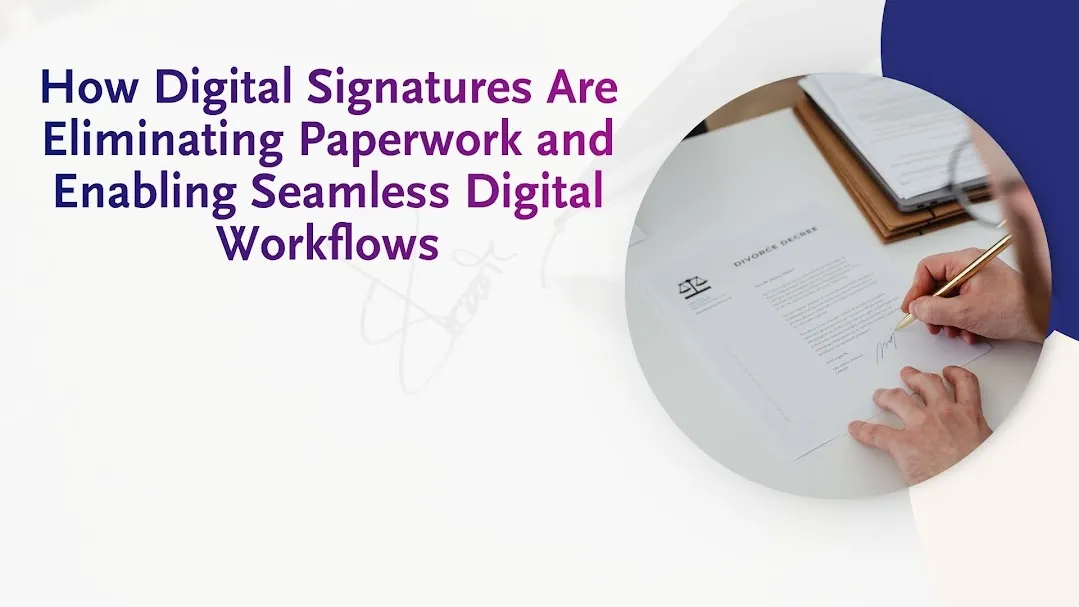

In today’s fast-evolving digital landscape, businesses must go beyond simply keeping up—they need to adopt technologies that ensure long-term efficiency, security, and adaptability. One such game-changing innovation is the use of digital signature. This secure and legally valid method of signing documents is rapidly replacing traditional paperwork and transforming how organizations operate.
As companies increasingly move toward paperless environments, digital signatures are becoming an essential part of modern business processes. They not only simplify documentation but also enhance speed, security, and overall productivity.
The Shift Toward Digital-First Operations
The global shift toward digital processes has accelerated significantly in recent years. Remote work, online collaborations, and virtual transactions have made it clear that traditional pen-and-paper methods are no longer practical.
Manual documentation processes often involve printing, signing, scanning, and couriering documents—steps that are time-consuming and inefficient. In contrast, digital signatures allow documents to be signed instantly from anywhere, enabling businesses to operate faster and more efficiently.
This transformation is not just about convenience—it is about staying competitive in a technology-driven world.
What Are Digital Signatures?
A digital signature is a secure electronic method used to verify the authenticity and integrity of a document. Unlike a scanned handwritten signature, which can be easily copied or altered, a digital signature uses encryption technology to ensure that the document remains unchanged after signing.
It is based on a system that uses unique digital keys to authenticate the signer and protect the document from tampering. Each signed document includes a secure record that confirms the identity of the signer and the time of signing, making it legally reliable.
Simple Process to Obtain a Digital Signature
Getting a digital signature is a straightforward process that can be completed online:
- Visit the official service provider’s website
- Fill in your personal or organizational details
- Select the type and validity of the certificate
- Choose whether you need a USB token
- Complete the payment process
- Verify your information
- Receive your digital signature securely
Once issued, the digital signature can be used across multiple applications for signing documents electronically.
How Digital Signatures Are Transforming Business Operations
1. Stronger Data Protection
With cyber threats becoming more sophisticated, protecting sensitive information is a top priority. Digital signatures provide a high level of security by encrypting documents and ensuring that only authorized individuals can access them.
Any attempt to alter a signed document is immediately detectable, which significantly reduces the risk of fraud and data breaches.
2. Compliance with Legal Standards
Digital signatures are recognized under various legal frameworks, making them valid for official use. They help businesses comply with regulatory requirements and maintain proper documentation without relying on physical paperwork.
This ensures smoother audits and reduces the chances of legal complications.
3. Faster and More Efficient Processes
One of the biggest advantages of digital signatures is speed. Documents can be signed and shared within minutes, eliminating delays caused by physical handling.
This leads to:
- Faster approvals
- Improved workflow efficiency
- Reduced turnaround time for agreements
4. Easy Scalability for Growing Businesses
As businesses expand, managing large volumes of paperwork becomes increasingly challenging. Digital signatures make it easy to handle multiple documents without additional resources.
Whether you are signing a few documents or thousands, the process remains quick and efficient.
5. Cost Savings and Environmental Benefits
Switching to digital signatures helps businesses reduce expenses related to paper, printing, storage, and courier services.
At the same time, it supports environmentally friendly practices by minimizing paper usage, helping organizations contribute to sustainability efforts.
6. Accessibility from Anywhere
Digital signatures allow users to sign documents from any location using a computer or mobile device. This is especially useful for businesses with remote teams or global operations.
It removes geographical barriers and enables smooth collaboration across different regions.
7. Transparent and Trackable Records
Every digitally signed document includes a detailed audit trail. This record shows who signed the document, when it was signed, and any changes made.
Such transparency is valuable for maintaining accountability and resolving disputes if they arise.
Applications Across Different Industries
Digital signatures are widely used across various sectors, making processes more efficient and reliable.
Legal Sector:
Law firms use digital signatures to finalize contracts, agreements, and legal documents quickly, reducing delays and improving client service.
Financial Services:
Banks and financial institutions rely on digital signatures for secure transactions, loan approvals, and account verification.
Healthcare:
Hospitals and clinics use them for patient consent forms, medical records, and prescriptions, ensuring data security and compliance.
Real Estate:
Property transactions become faster as agreements and documents can be signed remotely without physical meetings.
Human Resources:
HR teams use digital signatures for offer letters, employee agreements, and onboarding documents, simplifying administrative tasks.
Government Services:
Government departments utilize digital signatures for tenders, approvals, and public service delivery, enhancing efficiency and transparency.
Emerging Trends in Digital Signature Technology
As technology continues to advance, digital signatures are evolving to become even more secure and efficient.
Blockchain Integration
Blockchain technology is being explored to make digital signatures even more secure and tamper-proof by storing records in a decentralized system.
Biometric Verification
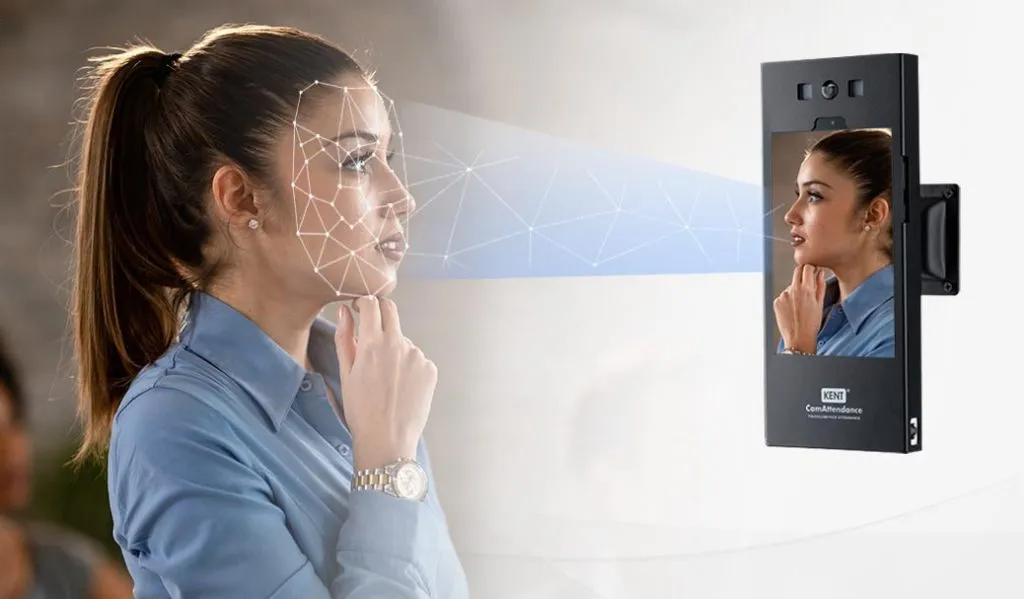
Advanced authentication methods such as fingerprint scanning and facial recognition are being integrated to enhance identity verification.
AI-Driven Automation
Artificial intelligence is being used to identify signature fields, detect errors, and automate document workflows, reducing manual effort.
Smart Contracts
Smart contracts can automatically execute agreements once digitally signed, streamlining complex transactions.
Suggested read:- Digital Signature Certificate for Income Tax
Conclusion
Digital signatures are no longer just an alternative to traditional paperwork—they are a necessity for modern businesses. By replacing manual processes with secure digital workflows, they help organizations save time, reduce costs, and improve efficiency.
From enhancing security and ensuring compliance to enabling remote operations and supporting scalability, digital signatures provide numerous advantages that make them indispensable in today’s digital economy.
Businesses that adopt this technology are better equipped to handle future challenges and opportunities. By embracing digital signatures today, organizations can move toward a faster, smarter, and more sustainable way of working.



























Sign in to leave a comment.