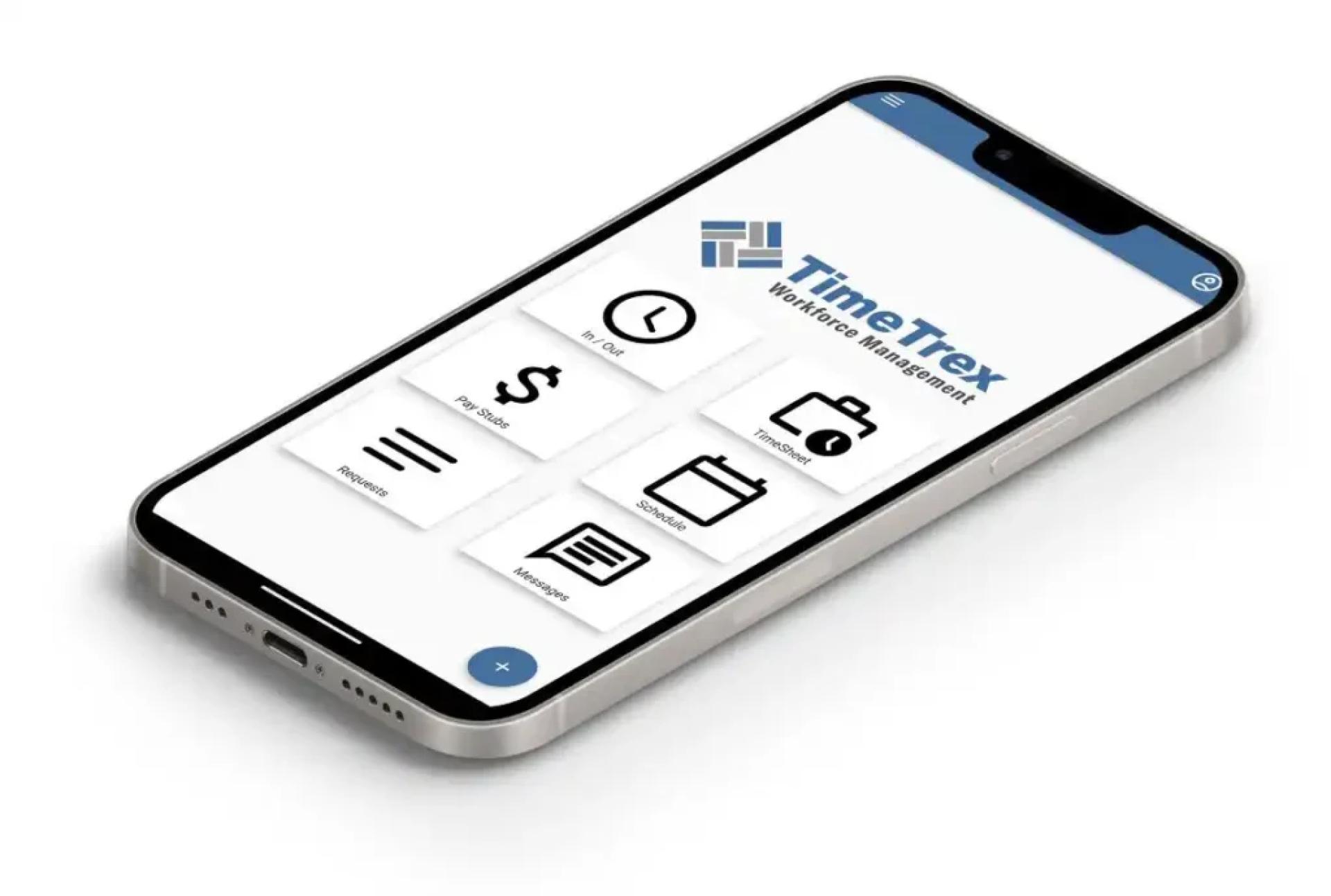
In today’s fast-paced professional world, managing time effectively has become just as important as managing talent. Businesses of all sizes are under pressure to deliver results faster, reduce operational waste, and maintain employee satisfaction. As remote work, hybrid schedules, and flexible hours become the norm, organizations are increasingly turning to digital solutions to gain better control over how work hours are planned and utilized. This shift has sparked a growing interest in tools that help individuals and teams understand, measure, and improve the way they spend their working hours.
Why Time Management Matters More Than Ever
Time is one of the few resources that cannot be expanded, yet it is often the most poorly managed. Employees juggle multiple tasks, meetings, and deadlines, which can easily lead to inefficiencies and burnout. When work hours are not tracked properly, businesses may face inaccurate payroll, missed deadlines, and unclear performance metrics.
Modern organizations recognize that better visibility into daily activities can lead to smarter decision-making. Instead of relying on guesswork, managers can analyze real data to see where time is being invested and where improvements are needed. This data-driven approach supports both productivity and accountability without resorting to micromanagement.
How Digital Tracking Tools Support Teams
Digital solutions designed to monitor work hours offer far more than simple clock-in and clock-out functions. Many platforms provide dashboards, reports, and analytics that show patterns in work behavior. These insights help leaders allocate resources more effectively and identify workflow bottlenecks.
For employees, these tools can be equally beneficial. Clear records of working hours help ensure fair compensation and protect against unpaid overtime. They also encourage better personal organization by highlighting how much time is spent on specific tasks or projects. Over time, workers can adjust their habits to focus on high-impact activities and reduce distractions.
Key Features That Make a Difference
When evaluating modern productivity tools, certain features stand out as particularly valuable. Automated tracking reduces the need for manual input, minimizing errors and saving time. Project-based tracking allows teams to see exactly how much effort goes into each assignment, which is essential for accurate budgeting and forecasting.
Integration with other business software, such as payroll systems or project management platforms, further streamlines operations. Mobile accessibility is another crucial feature, especially for remote workers or field teams who need flexibility. These capabilities transform simple monitoring into a comprehensive productivity system, which is why many organizations now rely on time tracking apps to stay competitive.
Building Trust Through Transparency
One common concern about monitoring work hours is the potential impact on employee trust. However, when implemented thoughtfully, these tools can actually strengthen workplace relationships. Transparency about how data is collected and used is key. Employees should understand that the goal is efficiency and fairness, not surveillance.
Open communication helps teams see these systems as supportive rather than restrictive. When workers can access their own records, they gain a sense of ownership over their time. This shared visibility encourages collaboration and mutual accountability, creating a healthier work culture.
The Future of Work and Time Optimization
As technology continues to evolve, digital productivity tools will become even more intelligent. Artificial intelligence and predictive analytics are already being introduced to help forecast workloads and suggest better scheduling. This evolution will further reduce administrative burdens and allow teams to focus on creative and strategic tasks.
In a world where flexibility and efficiency are essential, adopting the right solutions can make a significant difference. By leveraging modern time tracking apps, businesses can improve performance, support employee well-being, and adapt more easily to changing work environments. Ultimately, understanding how time is spent is the first step toward using it more wisely—and building a more productive future for everyone involved.










Sign in to leave a comment.