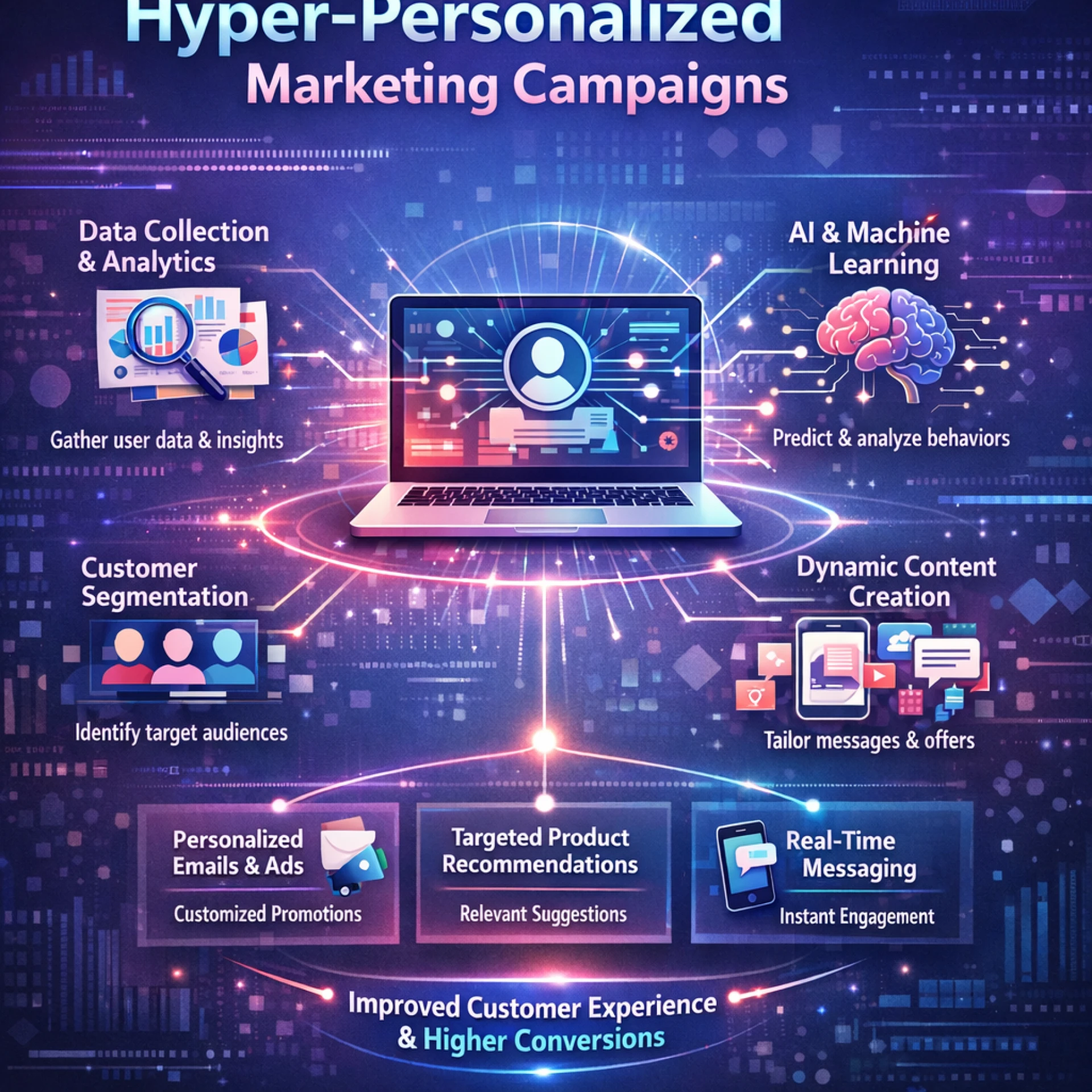

This new era of digitization has helped create campaigns that speak directly to everyone using smart tools and clear data. Powered by data-driven decision-making, the ability to convert raw data into actionable insights lies at the heart of this transformation. The focus of this article is to show how data conversion fuels hyper-personalized marketing campaigns in a way that is easy to understand, often supported by managed services.
What Is Hyper-Personalized Marketing?
Digital changes have helped modern marketing in many ways. Traditional marketing used one message for everyone. Today, messages can be made to speak to individuals. This shift has roots in the advances seen in technology. Methods that once offered general messaging now give room for tailored choices.
Hyper-personalized marketing is the art of reaching each person with messages that matter most to them. The aim is to deliver a message or offer that is unique to a person’s taste, enhancing the overall digital customer experience. the result is a marketing campaign that speaks directly to a buyer’s needs. It uses detailed customer data such as:
- Browsing habits
- Purchase history
- Demographic information
- Social media activity
How Personalization Differs from Traditional Marketing
Traditional marketing provided a one-size-fits-all message. With modern personalization techniques:
- Customer needs are met on a personal level.
- Messages are customized based on behavior and preferences.
- Campaigns can change quickly as new data is added.
This evolution shows the importance of collecting and using the right data in today's market.
The Role of Digitization in Marketing Campaigns
Modern technology has spread a new era of personalization. Digitization brings speed and accuracy to marketing processes. It has built new systems to collect data and adjust marketing in real time.
The Flow of Digital Data
Digital tools capture data from many different sources, each working as a piece of the puzzle. Together, they build a complete picture of each customer’s interests and actions. The data helps create campaigns that feel personal and relevant.
The sources of data include:
- Websites
- Social media platforms including organic social media
- Mobile apps
- Online surveys
How Technology Collects and Uses Data
Tools in the digital era are designed to gather data efficiently. Once data is collected, it is stored securely in databases where it can be analyzed. Advanced algorithms sort the data to show trends. These trends highlight what content or product fits best with different user groups.
Some methods include:
- Cookies that track user activity on a website
- Online forms that ask for preferences
- Third-party integrations with social media and purchase histories
The Importance of Speed in Digital Marketing
Quick decision-making is crucial in modern marketing. With digitization, campaigns can be updated in real time. For example:
- A website may show offers that match a user’s recent search queries.
- Emails can include product suggestions based on browsing history.
- Social media ads can be adjusted based on real-time trends.
This fast response helps keep customers engaged and happy.
The Journey from Data Collection to Personalization
The path from raw data to a refined message involves several clear steps. Each step ensures that campaigns are timely and relevant.
1. Data Collection
Digital systems capture data from multiple channels. This stage gathers a mix of user behavior, preferences, and feedback.
2. Data Cleaning and Storage
The next stage removes errors and stores clean data. It is important to have well-organized data for effective use. Steps in data cleaning include:
- Removing duplicate entries
- Correcting false data points
- Validating user information
3. Data Analysis
After cleaning, data is analyzed to find patterns. This step is essential for creating useful insights that can lead to targeted campaigns.
4. Customer Segmentation
Analysis leads to customer segmentation. Segmentation of sorts of customers based on shared attributes. Some groups might be:
- Frequent buyers
- Occasional visitors
- Product enthusiasts
This grouping helps craft messages that are specific to each segment.
5. Content Personalization
With customer segments in place, marketing messages are tailored. This can include:
- Custom email content
- Personalized advertisements
- Dynamic web pages that adjust to preferences
Each message is a reflection of what the analysis shows about that group.
6. Campaign Execution
Once messages are ready, automated tools send them out at the right time. The execution can be real-time, allowing adjustments based on new data.
7. Monitoring and Adjustment
Campaigns are not set in stone. They are continually monitored. Feedback and data lead to quick adjustments. This continuous loop keeps marketing efforts effective and current.
Best Practices for Future Digital Campaigns
Ensuring success in the long term relies on sound practices. As the digital landscape grows, certain practices will become even more important.
Embrace New Technologies
Adapting new technologies helps keep marketing fresh and effective. Keep an eye on emerging tools like:
- Advanced AI systems
- More accurate predictive analytics tools
- Enhanced data security platforms
Focus on the Customer Journey
Every touchpoint should feel natural and helpful. When the customer journey is smooth, the campaign performs better. Practices to maintain a great customer journey include:
- Simple navigation on websites
- Clear instructions in emails and ads
- Consistent messaging across channels
Conclusion
A modern marketing era has come to life in a way that gives each consumer a clear, custom message. The gains of hyper-personalized campaigns are clear when each detail is built with data and simple methods in mind. Every part of a campaign, from data gathering to simple goal setting, plays a part in creating a meaningful connection with consumers.

























Sign in to leave a comment.