
As the skin matures, the structural matrix of the dermis undergoes a natural decline. Starting in our late twenties, internal fibroblast activity slows down, leading to a steady drop in vital structural proteins. This biological depletion manifests outwardly as fine lines, structural hollowing, and visible tissue laxity. While traditional surface-level interventions offer temporary hydration, modern medical aesthetics focuses on treating cellular decline at its root.
Advanced protocols, such as targeted Laser Treatment in Sugar Land, address these visible surface changes by utilizing precise wavelengths to repair micro-structural damage. However, reversing the deeper trajectory of skin aging requires an inside-out approach. Rather than merely masking volume loss or filling structural gaps artificially, advanced biostimulatory therapies prompt the body to activate its inherent regenerative mechanisms.
The Cellular Mechanism of Biostimulation
The true power of biostimulatory treatments lies in their unique interaction with the extracellular matrix of the skin. Unlike traditional dermal fillers that rely on cross-linked hyaluronic acid to physically occupy space and create instant, synthetic volume, biostimulators are fundamentally non-volumetric upon initial application. Instead, they function as biochemical catalysts.
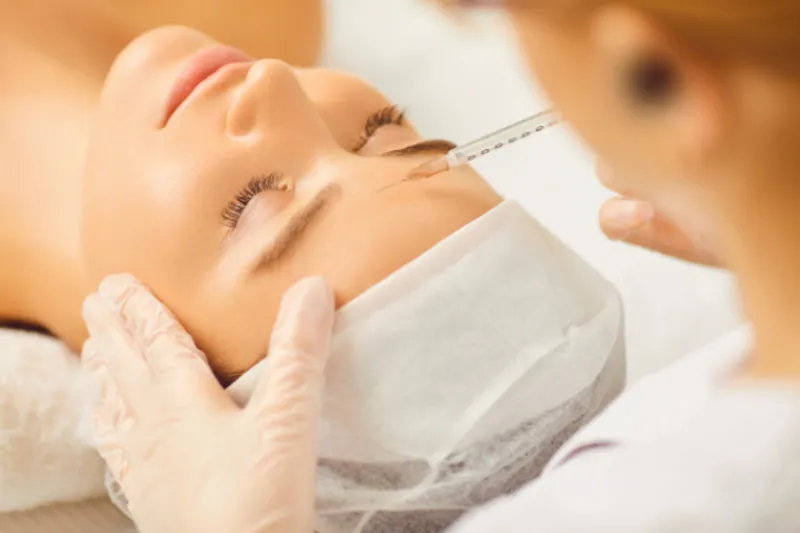
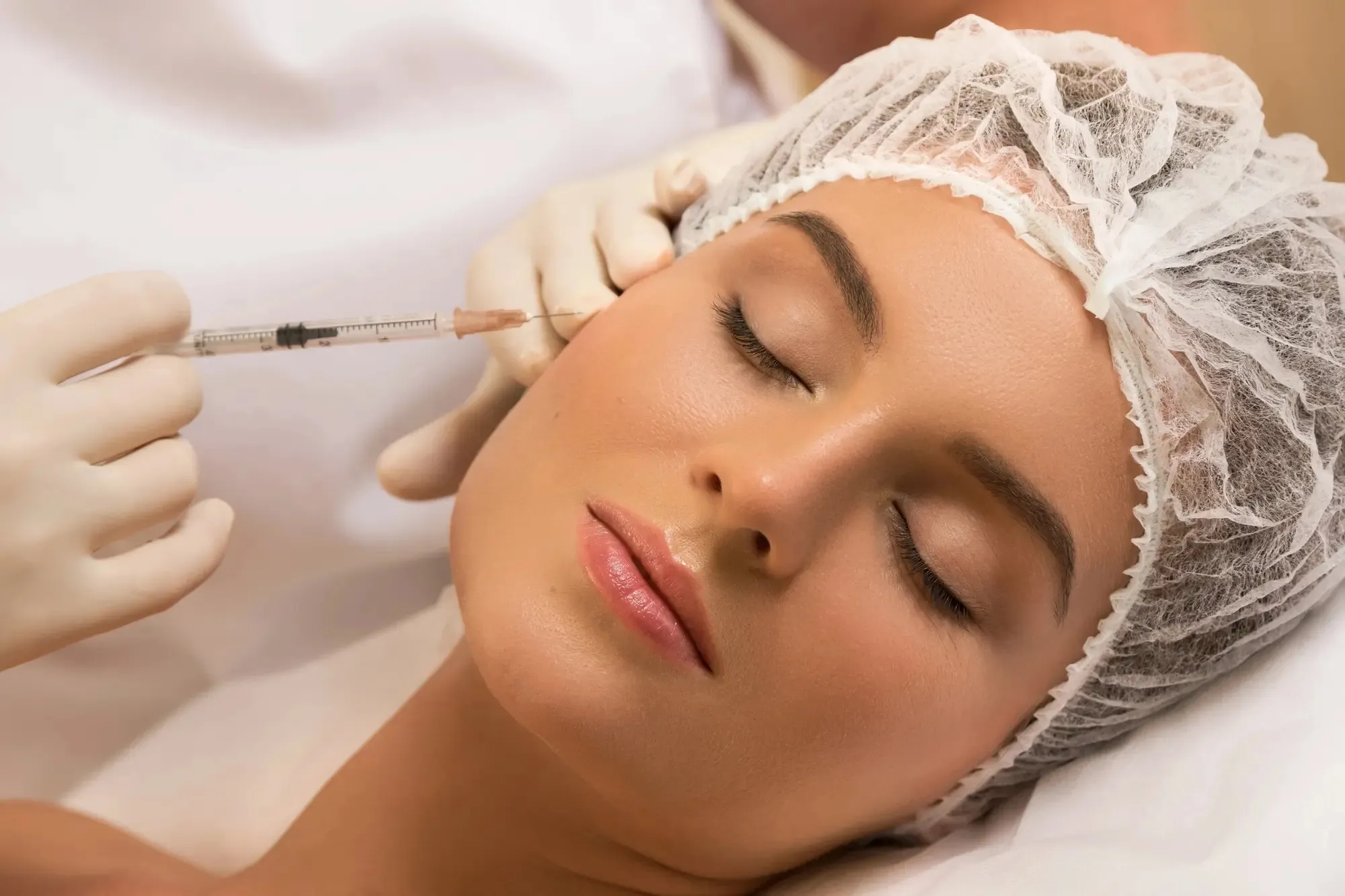
When a biostimulatory solution is expertly introduced into the deep dermal or subdermal planes, it deposits micro-spherical particles of biocompatible, biodegradable compounds. Common medical compounds include Poly-L-lactic Acid (PLLA) or Calcium Hydroxylapatite (CaHA). The presence of these micro-particles initiates a controlled, localized sub-clinical inflammatory response. This targeted biological signaling cascade flags the surrounding tissue, causing dormant fibroblasts—the primary cells responsible for synthesizing structural proteins—to rapidly proliferate and migrate to the area.
Rebuilding the Structural Foundation: Collagen and Elastin
Once the localized fibroblasts are activated by the biological response, they begin the vital work of structural synthesis. This regenerative phase focuses primarily on two essential building blocks of youthful skin:
- Type I and Type III Collagen: Type III collagen is typically abundant in youthful tissue and provides initial scaffolding, while Type I collagen offers tensile strength. The fibroblasts wrap around the biodegradable micro-particles, laying down a highly organized, dense matrix of fresh collagen fibers that progressively thickens the dermis.
- Elastin Frameworks: Alongside new collagen, the cellular activation restores the underlying elastin network. Elastin allows the skin to stretch and snap back into place, directly counteracting the sagging and crepey texture that defines advanced skin aging.
Over several weeks and months, the original biostimulatory foreign material is naturally broken down via metabolic pathways and safely eliminated by the body. However, the newly constructed network of native collagen and elastin remains firmly intact. This structural replacement ensures that the resulting lift, firmness, and volume restoration are entirely natural, completely avoiding an over-filled or artificial appearance.
Long-Term Benefits for Dermal Health and Textural Quality
The gradual nature of biological remodeling ensures that structural improvements unfold seamlessly over time. Patients observe a progressive transformation in overall skin quality, noting significant changes across multiple key areas:
- Restoration of Natural Volume: Hollow areas, such as the temples, mid-face cheeks, and jawline, receive subtle, lasting volume as the dermal layer thickens.
- Softening of Deep Wrinkles: Rebuilding the deep structural foundation plumps the skin from within, smoothing out deep nasolabial folds, marionette lines, and stubborn structural creases.
- Refined Micro-Texture: Enhanced cellular turnover and a robust dermal matrix minimize the appearance of enlarged pores, superficial fine lines, and structural acne scars.
Because these results rely on genuine tissue regeneration rather than the temporary presence of a cohesive gel, the longevity of biostimulator treatments far exceeds that of standard cosmetic procedures. Clinical observations demonstrate that the newly generated structural matrix remains stable and resilient for two years or longer, depending on individual metabolic rates and targeted lifestyle habits.
Maximizing Rejuvenation Through Multimodal Synergy
While standalone injectable therapies offer exceptional structural enhancement, the modern clinical consensus highlights the superior efficacy of combination protocols. Stacking treatments that operate through distinct yet complementary mechanisms maximizes the regenerative yield.
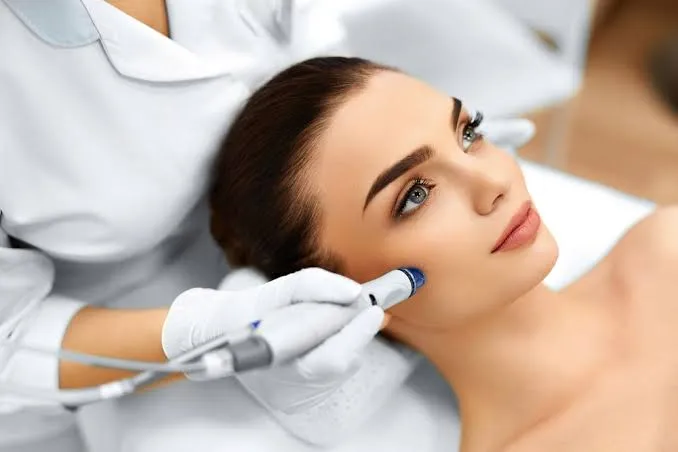
Integrating a comprehensive Biostimulator Laser Treatment in Sugar Land allows practitioners to address the aging process on multiple anatomical levels simultaneously. While the injectable biostimulator works within the deep dermis to restore volume and foundational support, the laser energy targets the epidermal and upper dermal layers. The thermal micro-zones created by advanced laser technology clear away surface dyschromia, erase age spots, and tighten superficial tissue. This dual-action approach combines deep biological remodeling with surface-level refinement, delivering an completely refreshed, radiant complexion that stands the test of time.





















Sign in to leave a comment.