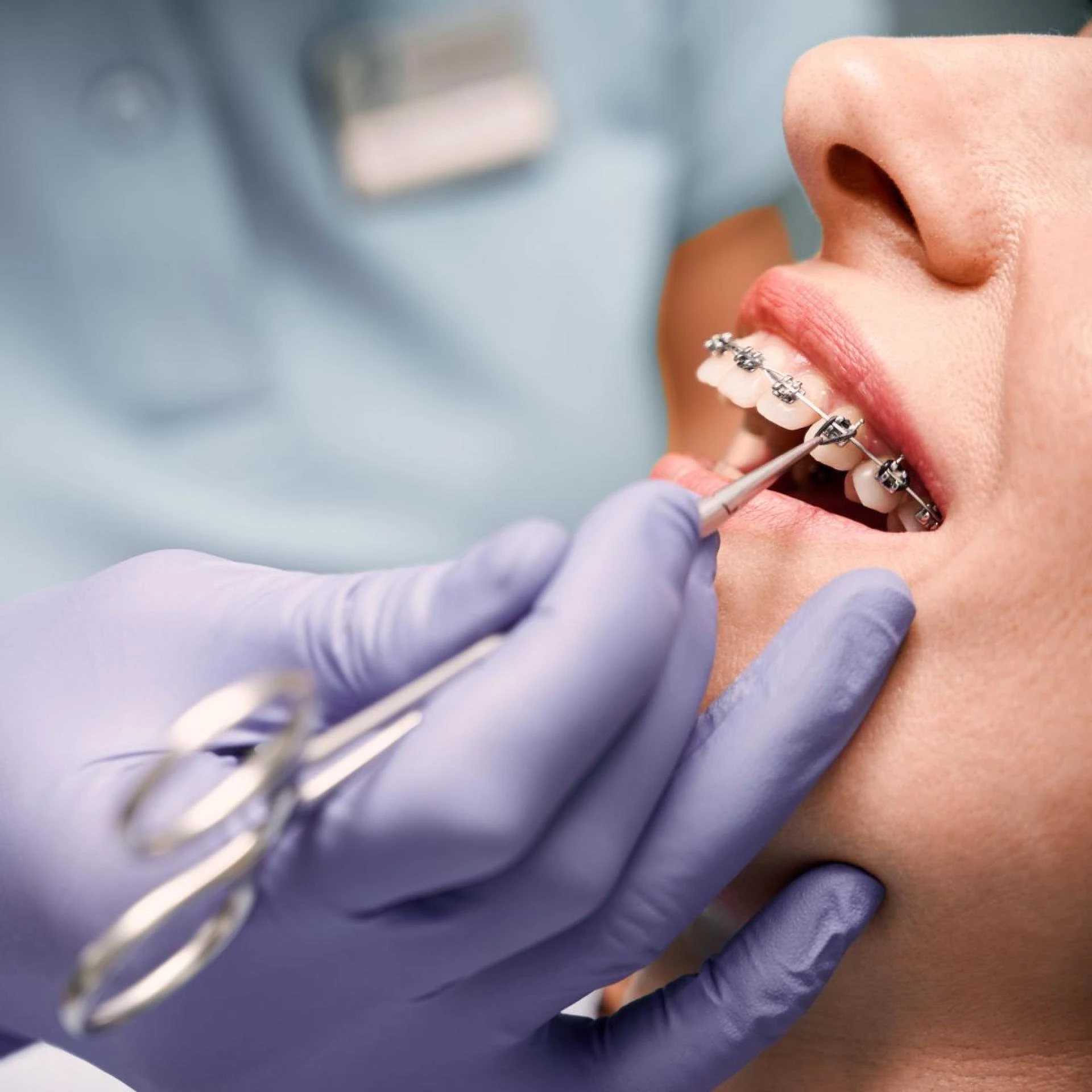

Braces are a common and highly effective orthodontic treatment designed to straighten teeth, correct bite issues, and enhance the overall appearance of a smile. Whether you're considering braces for cosmetic reasons or to improve your dental health, understanding how much does braces cost and how they work can help you appreciate the science behind this transformative process. In this article, we will explore the mechanics of braces and the step-by-step process that leads to a perfect smile.
The Science of Teeth Movement
Braces are designed to move your teeth into better alignment over time by applying gentle, consistent pressure. This pressure gradually shifts the teeth and bone structure to improve both their appearance and function. The underlying science is based on the concept of bone remodelling, a process that allows your teeth and jaws to adapt to new positions.
Each tooth is anchored in the jawbone by periodontal ligaments, which are flexible fibres that attach the teeth to the surrounding bone. When braces are applied, they exert force on these ligaments, causing them to stretch and compress. Over time, this pressure triggers a biological process where the bone around the teeth breaks down and rebuilds, allowing the teeth to move into their new positions.
The Components of Braces
Braces consist of several key components that work together to move your teeth. Here’s a breakdown of these parts:
Brackets
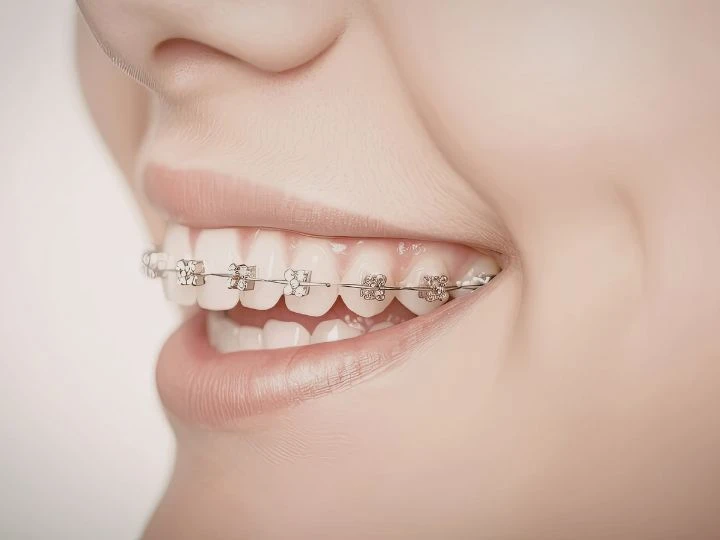
Brackets are small square or rectangular attachments that are glued to the front of each tooth. They act as the anchor points for the archwire. Brackets are typically made of metal, ceramic, or plastic, depending on the type of braces. Metal brackets are more visible, while ceramic ones blend in more naturally with the teeth, making them less noticeable.
Archwire
The archwire is a thin, flexible wire that runs through the brackets and connects them. It is the main source of force that moves the teeth. The archwire is adjusted periodically by the orthodontist to apply the correct amount of pressure to each tooth.
Ligatures
Ligatures are tiny elastic bands or wires that hold the archwire in place within the brackets. These can come in various colours, allowing you to personalise your braces. While ligatures are essential for securing the archwire, they can also be replaced periodically during adjustments.
Bands
Orthodontic bands are metal rings that fit around the back molars to anchor the braces in place. They provide extra support and are sometimes used in conjunction with other components, like spacers or headgear, depending on the complexity of the treatment.
Springs and Rubber Bands
In some cases, springs or rubber bands are used to correct bite problems. Springs can be placed between the teeth to create space or to push teeth into a better position, while rubber bands (also known as elastics) are used to adjust the bite by connecting the upper and lower teeth in specific ways.
The Process of Getting Braces
The process of getting braces begins with a consultation with an orthodontist. During this visit, the orthodontist will examine your teeth, take X-rays and impressions, and develop a personalised treatment plan. They will discuss the type of braces that will work best for you based on your dental needs and aesthetic preferences.
Once the braces are placed, the archwire is threaded through the brackets, and the ligatures are used to secure the wire in place. Over the course of treatment, the orthodontist will adjust the archwire, making it progressively tighter to continue applying pressure on your teeth.
The treatment duration varies depending on the complexity of the case, but most people wear braces for about 18 months to 3 years. Regular follow-up appointments every 4 to 6 weeks are necessary to ensure that the teeth are shifting properly and to make adjustments.
What Happens After Braces?
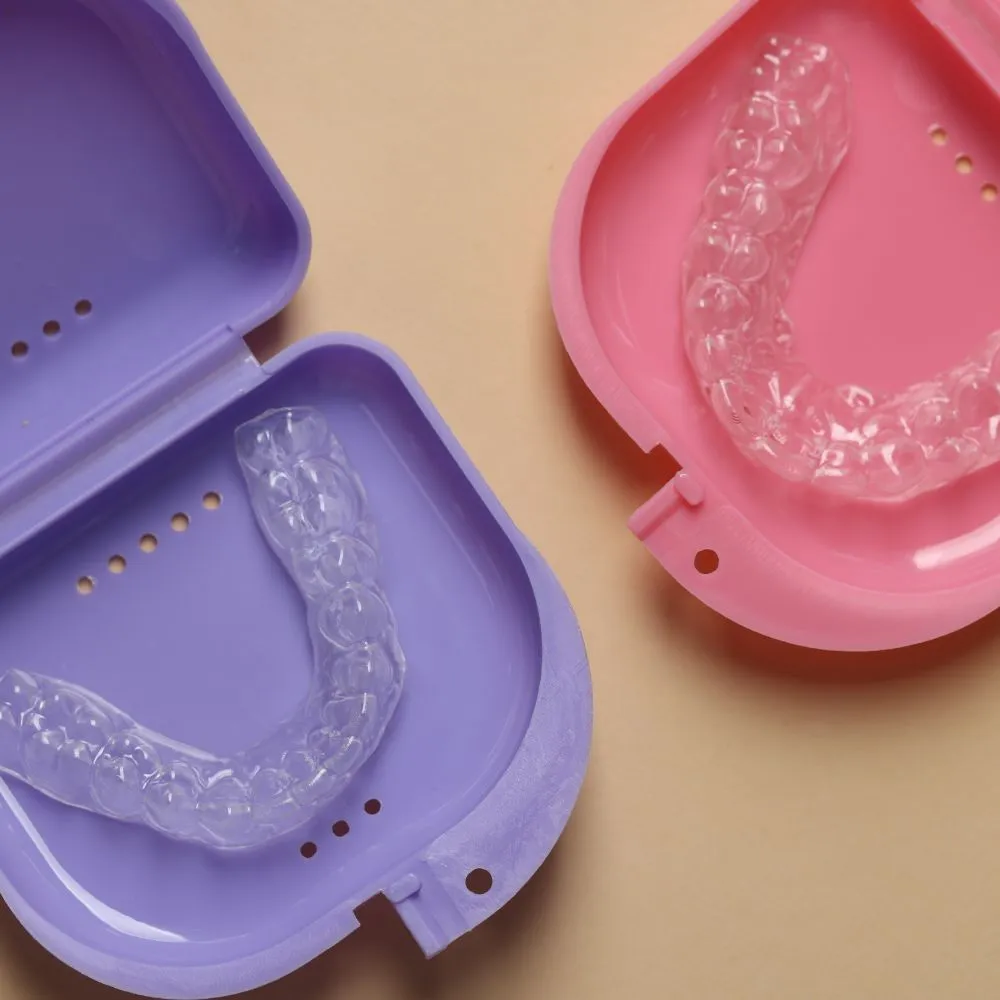
Once the desired results are achieved, the braces are removed. At this stage, retainers are often provided to ensure that the teeth stay in their new positions. Retainers are custom-made to fit your teeth and are worn either full-time or part-time, depending on the recommendations of your orthodontist.
It’s important to follow the orthodontist’s instructions when wearing retainers, as teeth can shift back to their original positions without this support.
How Much Does Braces Cost?
The cost of braces can vary significantly depending on factors like the type of braces, the complexity of the treatment, and the location of your orthodontist. In Australia, traditional metal braces typically cost between $5,000 and $7,000, while ceramic braces can range from $6,000 to $8,000. Clear aligners, such as Invisalign, are often the most expensive option, with prices ranging from $6,000 to $9,000. More complex cases that require lingual braces, which are placed behind the teeth, can cost upwards of $10,000.
While the braces cost Australia can be substantial, many orthodontists offer flexible payment plans to make treatment more affordable. It’s also worth checking with your private health insurance provider, as some plans may cover part of the cost.

In summary, braces are an effective solution for anyone looking to straighten their teeth and improve their smile, no matter their age. The science behind braces involves the careful application of pressure to move teeth into better alignment, with various components working together to achieve this goal. While the process may take time and require patience, the results are well worth it. If you're considering braces, consult with an experienced orthodontist to discuss your options and understand the costs involved. By asking the right questions and understanding the treatment process, you can achieve the perfect smile you've always wanted while ensuring a smooth and successful orthodontic journey.




























Sign in to leave a comment.