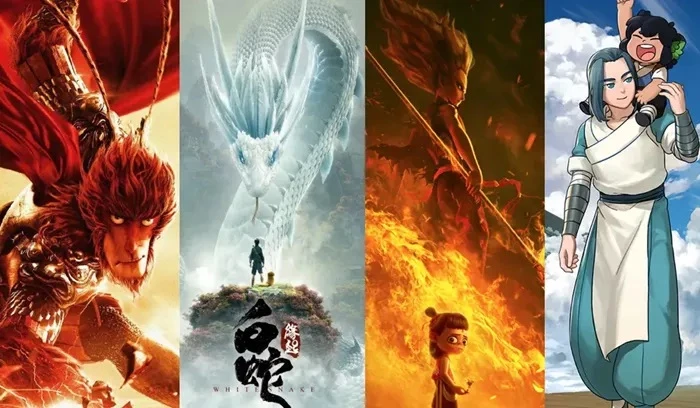

Chinese animation has developed a rich visual language that draws deeply from mythology, philosophy, history, and folklore. Unlike many animated traditions that emphasize spectacle or humor alone, Chinese Animated Movies frequently rely on symbolism and allegory to communicate layered meanings. Through stylized imagery, mythic narratives, and moral conflicts, these films explore identity, social values, and philosophical ideas in ways that resonate with both domestic and international audiences. Symbolism and allegory function not merely as artistic decoration but as essential storytelling tools that reflect cultural memory and contemporary concerns.
Cultural Foundations of Symbolism in Chinese Animation
Mythology and Folklore as Narrative Frameworks
Chinese Animated Movies often draw upon classical myths and legends, using familiar symbolic figures to convey deeper meaning. Characters such as the Monkey King, Nezha, and mythical dragons are more than narrative devices; they embody values such as rebellion, loyalty, transformation, and balance.
In Havoc in Heaven, the Monkey King’s defiance of celestial authority symbolizes resistance against rigid hierarchy. The film’s allegorical structure allows viewers to interpret the story as a reflection on individual freedom within a highly ordered cosmic system. This layered approach ensures that the narrative operates on both a mythological and philosophical level.
Philosophical Roots in Confucianism and Daoism
Philosophical traditions play a crucial role in shaping symbolic storytelling. Daoist concepts of harmony, balance, and natural flow often appear through visual metaphors such as water, wind, and cyclical motion. Confucian ideals of duty and moral order are frequently explored through character relationships and social conflict.
In animated adaptations of classical stories, moral dilemmas are rarely resolved through force alone. Instead, resolution often requires inner transformation, reflecting philosophical beliefs about self-cultivation and ethical responsibility.
Visual Symbolism as Narrative Language
Color, Motion, and Artistic Style
Chinese Animated Movies use visual elements symbolically to enhance thematic depth. Color palettes are often carefully chosen to convey emotional or moral states. Red may symbolize vitality or rebellion, while muted tones suggest restraint or sorrow.
The film Big Fish & Begonia exemplifies this approach. Its flowing animation and aquatic imagery symbolize the interconnectedness of life and the tension between personal desire and cosmic responsibility. The ocean functions allegorically as both origin and boundary, reinforcing the film’s philosophical themes.
Landscape as Allegory
Natural landscapes in Chinese animation often carry symbolic weight. Mountains, rivers, and forests are not mere settings but reflections of inner states or moral challenges. These environments frequently represent trials of character or stages of spiritual development.
This tradition echoes classical Chinese painting, where landscapes serve as expressions of philosophical ideals. By integrating this visual language into animation, filmmakers extend cultural symbolism into modern storytelling.
Allegory and Social Commentary
Historical Reflection Through Fantasy
Allegory allows Chinese Animated Movies to address social and historical issues indirectly. By situating stories in mythic or fantastical worlds, filmmakers can explore themes of oppression, conformity, and resistance without overt political statements.
In Ne Zha, the protagonist’s struggle against a predetermined fate functions as an allegory for social labeling and individual agency. The character’s defiance challenges assumptions about destiny and morality, offering commentary on societal expectations and prejudice.
Community Versus Individual Desire
Many Chinese animated narratives revolve around the tension between individual aspiration and communal responsibility. Allegorical storytelling enables filmmakers to examine this conflict without simplifying it.
In White Snake, the romance between a human and a spirit becomes an allegory for forbidden relationships and social boundaries. The film explores the cost of transgressing established norms while questioning whether those norms are inherently just.
Symbolic Character Design
Mythic Forms and Modern Identity
Character design in Chinese animation often blends traditional symbolism with contemporary sensibilities. Mythical traits such as animal features or supernatural abilities signify moral qualities or internal struggles.
These designs allow audiences to read characters symbolically. A demon-like appearance may mask a compassionate nature, while a divine form may conceal moral flaws. This inversion challenges superficial judgments and reinforces allegorical themes.
Transformation as Moral Journey
Physical transformation is a recurring motif. Characters may change form as they grow morally or emotionally, symbolizing inner development. Transformation serves as a visual metaphor for self-discovery and redemption.
In Ne Zha, the protagonist’s evolving appearance parallels his moral growth. This symbolic alignment of form and character deepens the allegory, making personal change visible and tangible.
Music and Sound as Symbolic Elements
Traditional Instruments and Emotional Meaning
Sound design and music contribute significantly to symbolic storytelling. Traditional Chinese instruments often accompany moments of reflection or spiritual significance, reinforcing cultural identity and emotional resonance.
The integration of classical melodies with modern orchestration mirrors the films’ thematic blending of tradition and innovation. Music thus becomes an allegorical bridge between past and present.
Modern Techniques and Timeless Allegory
Technology Enhancing Symbolism
Advancements in animation technology have expanded the expressive possibilities of Chinese Animated Movies. Digital effects allow for more intricate symbolic imagery, such as transforming landscapes or ethereal beings.
Despite technological innovation, the core reliance on allegory remains consistent. Modern tools enhance rather than replace traditional symbolic frameworks, ensuring continuity with cultural heritage.
Global Audiences and Universal Themes
While rooted in Chinese culture, the allegories in these films often address universal themes such as freedom, love, and identity. Symbolism allows stories to transcend cultural boundaries, inviting diverse interpretations.
This universality contributes to the growing international appeal of Chinese animation. By presenting culturally specific symbols within broadly relatable narratives, filmmakers achieve both authenticity and accessibility.
Conclusion
Chinese Animated Movies employ symbolism and allegory as fundamental storytelling strategies that reflect cultural philosophy, historical memory, and contemporary concerns. Through mythic narratives, visual metaphors, and allegorical character arcs, these films explore complex ideas without sacrificing emotional engagement.
By drawing on traditional symbolism while embracing modern techniques, Chinese animation creates layered narratives that reward thoughtful viewing. Symbolism and allegory ensure that these films operate on multiple levels, offering entertainment, cultural insight, and philosophical reflection. In doing so, Chinese Animated Movies establish a distinctive cinematic voice that continues to evolve while remaining deeply connected to its cultural roots.

![Top 13 American Documentary Movies [Revealed!]](/data/post/1766858/36f48eed6f119c26a3bb71c9.webp)
![Top 45 Comedy Movies of 2023 [Revealed!]](https://writeupcafe.com/data/post/1751692/9ce4f4e25570f5855cb48c9985329075.webp)



























Sign in to leave a comment.