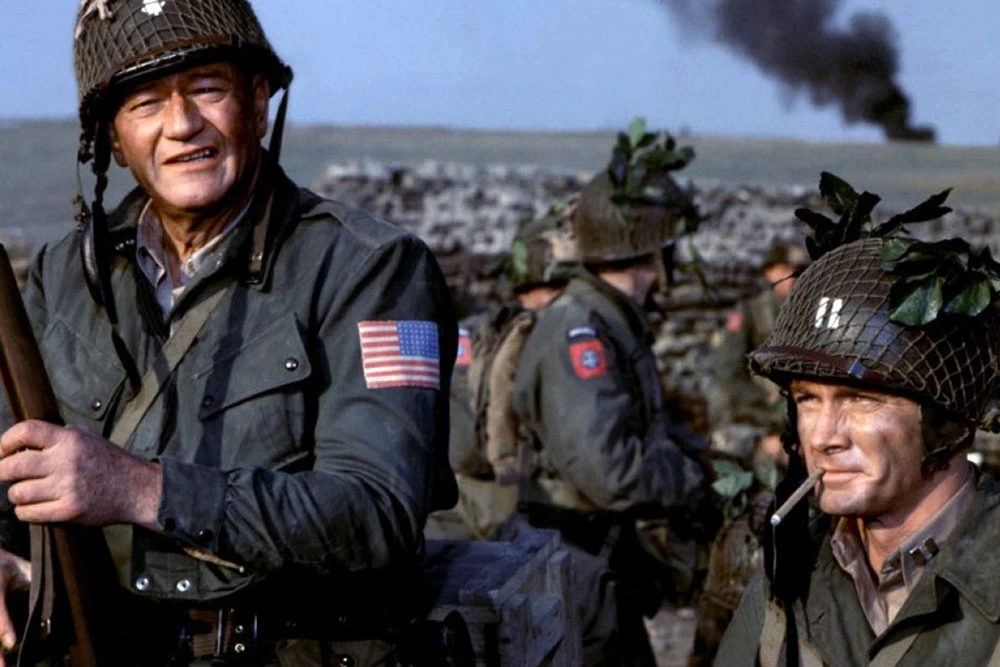

War films have long occupied a central place in Hollywood cinema, frequently standing among the most ambitious and expensive productions ever made. American War Movies in particular are often associated with massive budgets, elaborate battle sequences, and cutting-edge technical craftsmanship. From sweeping World War II epics to contemporary conflict dramas, these films consistently demand significant financial investment. Understanding why this genre attracts such high budgets requires examining historical traditions, narrative expectations, technical requirements, and the broader cultural role of war cinema in the United States.
Historical Foundations of the American War Film
Early War Films and National Storytelling
War films emerged early in American cinema as a means of exploring national identity and collective memory. Productions such as The Birth of a Nation and later World War II films established the idea that war stories were not merely entertainment but cultural statements.
As filmmaking technology advanced, expectations grew for increasingly realistic depictions of combat. This historical trajectory set the precedent for large-scale investment in war films, positioning them as prestige projects within the industry.
Post–World War II Expansion
Following World War II, Hollywood began producing grand war epics that emphasized realism, heroism, and sacrifice. Films like The Longest Day featured enormous casts, international locations, and extensive logistical planning.
These productions reinforced the notion that American war stories deserved cinematic scope, a belief that continues to influence budget decisions today.
Technical Demands of War Filmmaking
Large-Scale Battle Sequences
One of the primary drivers of high budgets in American War Movies is the complexity of battle scenes. Realistic combat requires coordinated action involving hundreds of extras, vehicles, aircraft, and pyrotechnics.
Steven Spielberg’s Saving Private Ryan exemplifies this approach. Its Normandy landing sequence required meticulous choreography, practical effects, and extensive rehearsal, all of which significantly increased production costs.
Special Effects and Visual Realism
Modern war films often rely on a combination of practical effects and digital enhancements to create believable combat environments. Explosions, gunfire, and destruction must appear authentic while ensuring the safety of cast and crew.
Films such as Black Hawk Down and Lone Survivor used advanced visual effects to recreate large-scale military operations, contributing to their substantial budgets.
Authenticity and Military Collaboration
Use of Real Equipment and Locations
American war films frequently aim for authenticity by using real military hardware, including tanks, helicopters, and naval vessels. Securing and operating such equipment involves coordination with the U.S. military and significant logistical expense.
Top Gun: Maverick, while focused on aviation rather than traditional ground combat, illustrates how access to real military assets elevates production costs while enhancing realism.
Military Advisors and Training
To ensure accurate portrayal of tactics and behavior, filmmakers often employ military consultants. Actors may undergo extensive training to convincingly portray soldiers, learning weapons handling, movement, and communication protocols.
This commitment to realism increases both time and financial investment but contributes to the credibility audiences expect from American War Movies.
Narrative Scope and Ensemble Casts
Expansive Storytelling
War stories often span multiple locations, time periods, and perspectives. This narrative breadth requires extensive set construction, location shooting, and complex scheduling.
Films like Pearl Harbor and Dunkirk showcase how expansive narratives demand significant resources to depict events across land, sea, and air.
Star Power and Ensemble Performances
High-profile actors are frequently cast in war films, both to attract audiences and to lend gravitas to the story. Ensemble casts with multiple well-known performers increase salary costs.
However, star power also elevates the film’s prestige and box office potential, justifying the investment from studios.
Cultural and Political Significance
War Films as National Reflection
American war films often engage with themes of patriotism, sacrifice, and moral complexity. These narratives contribute to public discourse about military history and national values.
Because of this cultural weight, studios are more willing to allocate substantial budgets to ensure these stories are told with seriousness and impact.
Audience Expectations and Spectacle
Audiences have come to expect a certain level of spectacle from American War Movies. Sweeping visuals, intense sound design, and immersive action sequences are seen as essential components of the genre.
Meeting these expectations requires significant investment in production design, cinematography, and post-production.
Advances in Film Technology
High-Definition Cinematography
Modern war films often utilize high-resolution cameras and advanced lenses to capture detailed images of combat. While this enhances visual quality, it also increases production and post-production costs.
The pursuit of immersive realism pushes filmmakers to adopt cutting-edge technology, contributing to larger budgets.
Sound Design and Immersive Audio
Sound plays a critical role in war films, conveying the chaos and intensity of battle. Advanced sound mixing techniques and immersive formats such as Dolby Atmos add to the financial requirements.
These elements are crucial in creating an emotionally engaging experience, reinforcing the genre’s reliance on high production values.
Marketing and Global Distribution
Worldwide Appeal
American War Movies are often designed for global audiences. Their themes of conflict and heroism resonate internationally, making them attractive investments for studios seeking worldwide box office returns.
High budgets are supported by expansive marketing campaigns, international distribution, and merchandising efforts.
Awards and Prestige
War films frequently compete for major awards, further encouraging studios to invest heavily. Recognition from institutions such as the Academy Awards enhances a film’s cultural impact and financial longevity.
Productions like 1917 demonstrate how technical ambition and narrative depth can result in both critical acclaim and commercial success.
Economic Risk and Studio Strategy
Balancing Risk and Reward
High-budget war films represent significant financial risk, but they also offer substantial rewards. Successful releases can generate strong box office returns, streaming deals, and long-term cultural relevance.
Studios carefully evaluate scripts, directors, and market conditions before committing to such projects.
Legacy and Longevity
War films often have long shelf lives, continuing to be viewed and discussed decades after release. This enduring relevance supports the initial investment.
Classic American war films remain staples of film education and popular culture, reinforcing the genre’s value.
Conclusion: Why High Budgets Define American War Movies
American War Movies are often high-budget productions because they combine technical complexity, narrative ambition, cultural significance, and audience expectations. Realistic battle scenes, authentic military collaboration, advanced technology, and star-studded casts all contribute to substantial production costs.
These films serve not only as entertainment but as cinematic reflections of national history and identity. Their scale and ambition require significant financial investment, ensuring that the stories of conflict and sacrifice are told with the impact and authenticity audiences expect.


![Top 13 American Documentary Movies [Revealed!]](/data/post/1766858/36f48eed6f119c26a3bb71c9.webp)





























Sign in to leave a comment.